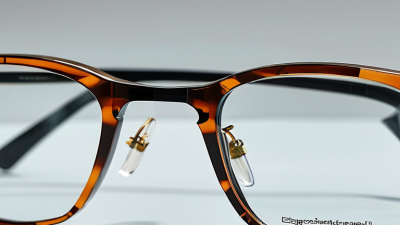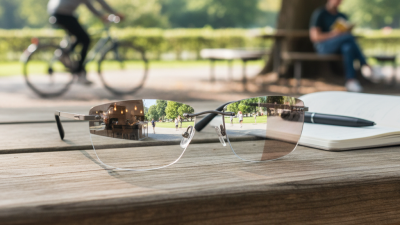
Light changes constantly. Your eyes must adapt quickly, but ordinary clear lenses cannot respond by themselves. A Transition Lens offers a practical solution by adjusting its tint when exposed to ultraviolet radiation and, in some designs, strong visible light. Indoors, the lens gradually returns toward clear. Outdoors, it becomes darker, helping reduce glare and visual discomfort. The process depends on photochromic molecules embedded within the lens material. These molecules change structure when light activates them. The effect is automatic, not electronic.
The need is substantial. The World Health Organization’s World Report on Vision estimates that at least 2.2 billion people experience vision impairment globally. Its findings also highlight the importance of accessible eye care and suitable optical correction. Meanwhile, The Vision Council’s consumer research consistently identifies comfort, sun protection, and everyday convenience as important eyewear priorities. Industry analyses, including Grand View Research’s reports on photochromic lenses, also describe continued interest in lenses that combine prescription correction with light-responsive performance. These reports support the category’s relevance, although market forecasts should not replace professional advice.
A Transition Lens is not a perfect substitute for sunglasses. Car windshields can block much of the ultraviolet light needed for activation. Cold weather may slow the return to clear. Darkening speed also varies by lens design, temperature, light intensity, and age. Small differences matter. A thoughtful evaluation should consider prescription strength, driving habits, outdoor exposure, and personal comfort. Understanding how the technology works makes the choice more realistic. It also prevents exaggerated expectations.
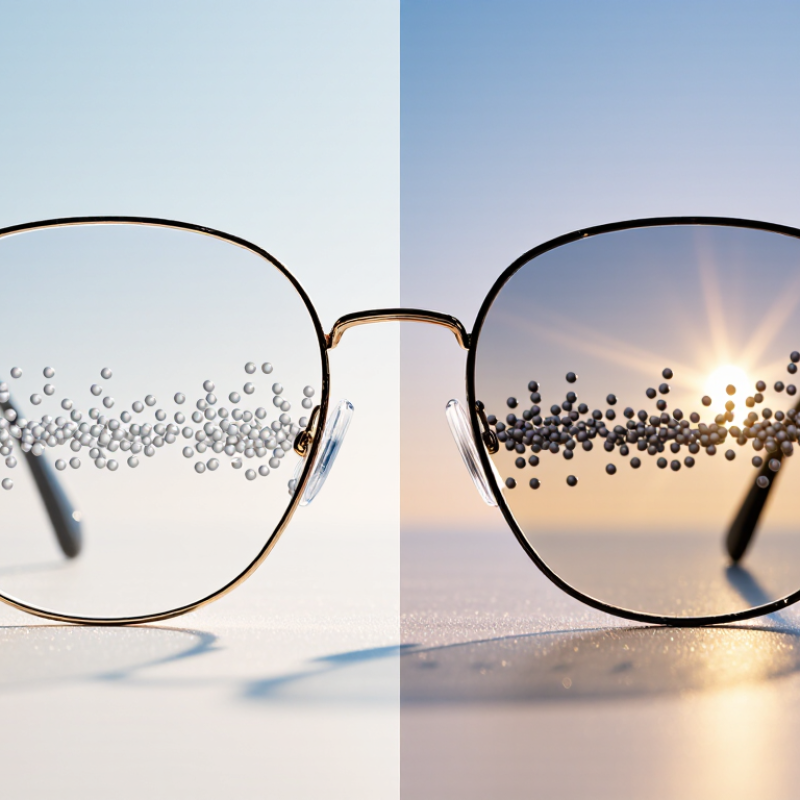
A transition lens is a type of prescription lens that changes tint when exposed to ultraviolet light. It usually looks clear indoors, then darkens outdoors, helping reduce glare and eye discomfort. The change happens through special light-sensitive molecules built into the lens material. When sunlight activates them, they absorb more light and create a sunglasses-like tint.
The process is automatic, so you do not need to switch between regular glasses and sunglasses. Most lenses become darker in bright outdoor conditions and gradually return to clear indoors. However, the change is not instant. Temperature, lens design, and the amount of ultraviolet exposure can affect its speed. A cold day may produce a darker tint, while a hot day may produce a lighter one. They are useful, but not magic.
Tips: Ask an eye-care professional whether this lens suits your prescription and daily routine. Test the lenses during driving, walking, and screen use. Some vehicle windows block much of the ultraviolet light, so the lenses may not darken fully inside a car. Consider separate sunglasses for strong sunlight, beaches, or long outdoor activities. Also, allow a short adjustment period. The first few days may feel slightly unusual.
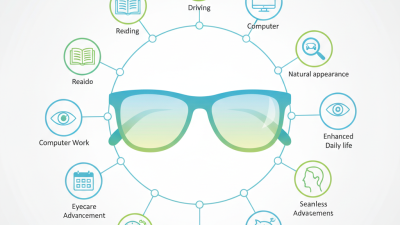
Transition lenses are photochromic lenses that change their visible light transmission in response to ultraviolet exposure. They remain relatively clear indoors and become darker outdoors, helping reduce glare without requiring a separate pair of sunglasses.
The chart shows representative visible light transmission levels for common lens states. Actual performance varies with lens material, temperature, UV intensity, and whether the lens is behind a vehicle windshield.
What Is a Transition Lens and How Does It Work?
Photochromic technology changes lens tint when light conditions shift. Special molecules inside the lens react to ultraviolet radiation. In bright outdoor light, they alter their structure and absorb more visible light. The lens then appears darker. Indoors, the reaction reverses, and the lens gradually becomes clearer.
The process is practical, but not instantaneous. Many lenses darken within seconds and need several minutes to fade fully. Temperature also matters. Cold conditions can increase darkness, while heat may slow the reaction. Vehicle windshields often block much ultraviolet light, so photochromic lenses may remain lighter inside cars. Real life is messier.
The World Health Organization reports that at least 2.2 billion people have near or distance vision impairment globally. Its guidance also identifies ultraviolet exposure as a factor requiring better eye protection. A 2023 WHO and ILO analysis estimated that 1.6 billion workers experienced occupational solar ultraviolet exposure in 2020. These figures do not prove that photochromic lenses prevent eye disease, but they show why adaptable light management matters.
From an optical perspective, photochromic lenses reduce glare without requiring a second pair of glasses. They can also provide continuous ultraviolet filtering, depending on the lens material and test specification. Users should still check verified performance data, especially for driving and intense sunlight. The technology is useful. It is not magic.
| Data Dimension | Typical Information | How It Affects the Lens |
|---|---|---|
| Lens Type | Photochromic lens | Automatically changes tint in response to ultraviolet radiation and, in some designs, visible light. |
| Main Trigger | UV radiation from sunlight | UV exposure activates photochromic molecules embedded in or applied to the lens material. |
| Clear-State Light Transmission | Usually about 80%–92% visible-light transmission | The lens remains relatively clear indoors or when UV exposure is low. |
| Activated-State Light Transmission | Commonly about 10%–30% visible-light transmission | The lens becomes darker outdoors, reducing the amount of visible light reaching the eyes. |
| Darkening Process | Photochromic molecules change structure after UV exposure | The structural change absorbs more visible light, producing a darker lens tint. |
| Fading Process | Reversible molecular relaxation when UV exposure decreases | The molecules gradually return to their original state, allowing the lens to become lighter. |
| Typical Darkening Time | Often several minutes | The exact time depends on temperature, UV intensity, lens material, and product formulation. |
| Typical Fading Time | Often longer than the darkening time | The lens may take several minutes to return toward its clear state after leaving strong UV exposure. |
| Effect of Temperature | Cold conditions generally support a darker state; heat can reduce maximum darkness | Temperature changes the speed and extent of the reversible chemical reaction. |
| Effect of a Vehicle Windshield | Often limited activation inside a vehicle | Many windshields block a substantial amount of UV radiation, which is the main activation source. |
| UV Protection | Most modern photochromic lenses provide broad UV protection | The lens material or coating can help filter ultraviolet radiation even when the lens appears clear. |
| Tint Color | Common options include gray, brown, and green-gray | Color affects visual appearance and may influence perceived contrast and color balance. |
| Primary Benefit | Automatic light adaptation | One pair of lenses can provide a clearer indoor view and a more comfortable, tinted outdoor view. |
| Important Limitation | Tint level is influenced by environmental conditions | Performance may vary with temperature, UV availability, lens age, and the surrounding light environment. |
Note: Transmission ranges and response times are typical industry ranges rather than universal specifications; actual performance varies by lens material, formulation, temperature, and ultraviolet exposure.
Transition lenses are photochromic lenses that change tint when exposed to ultraviolet radiation. Special molecules inside the lens structure react to UV energy. They then darken outdoors and gradually clear indoors. The process is automatic, but not instant. Temperature also matters. Cold conditions often produce a deeper tint, while heat can reduce darkness and slow clearing.
Several factors control this response. UV intensity, altitude, cloud cover, surface reflection, and season all influence activation. The International Commission on Illumination identifies these conditions in CIE 239:2020. Snow can reflect up to 80% of ultraviolet radiation, according to the World Health Organization. Vehicle windshields usually block much UV radiation, so standard photochromic lenses may remain lighter inside cars. Some designs respond partly to visible light, but performance still varies. Lens material, coating age, and repeated temperature changes can also affect results. Real-world tint is not perfectly predictable. That limitation deserves more attention.
Tips: Choose lenses with tested UV protection and ask about driving performance. Check the clearing time in cold weather. Clean lenses with water and a soft cloth, not abrasive fabric. The WHO estimates that ultraviolet exposure may contribute to up to 10% of cataract cases. Good lens selection is useful, but sunglasses may still feel more comfortable under intense sunlight.
Transition lenses are light-responsive lenses that adjust their tint when exposed to changing light.
Indoors, they usually remain nearly clear, allowing text, screens, and facial expressions to look natural. However, they may keep a slight tint in rooms with strong sunlight or near large windows.
Outdoors, ultraviolet light activates molecules within the lens material. The lenses gradually become darker, which can reduce glare and make bright streets more comfortable. The exact tint depends on UV intensity, temperature, and the lens design. Cold weather may produce a deeper tint, while high temperatures can slow the darkening process. The change is not instant. Give it a little time.
Cars can be different. Many windshields block much of the ultraviolet light needed to activate the lenses, so they may stay lighter than expected inside a vehicle. Some newer designs respond partly to visible light, but performance still varies. They are not always a complete replacement for dedicated sunglasses, especially during intense driving conditions. An eye-care professional can explain whether the lenses suit your prescription, daily routine, and light sensitivity. I would not treat them as magic. They are useful, but their indoor and outdoor behavior can be less predictable than simple clear or tinted lenses.
Transition lenses are photochromic lenses that darken when exposed to ultraviolet light. Indoors, they usually return to a clear or lightly tinted state. Their reaction depends on lens chemistry, temperature, UV intensity, and exposure time.
Common types include everyday photochromic lenses, extra-dark outdoor versions, and lenses designed to reduce blue-violet light. Some models also offer polarized sun protection, but not every photochromic lens becomes polarized. The practical benefit is simple: one prescription pair can cover an office, a pavement walk, and a bright afternoon.
The World Health Organization’s World Report on Vision estimates that at least 2.2 billion people have a vision impairment. Convenient vision correction matters, especially for people who move frequently between indoor and outdoor spaces.
Limitations deserve equal attention. Most car windshields block substantial UV, so lenses may stay lighter inside a vehicle. Cold weather can slow fading, while intense sunlight can make darkening feel gradual. They may also appear less effective behind tinted windows.
The American Academy of Ophthalmology advises using sunglasses that provide full UV protection, and photochromic lenses should not automatically replace dedicated sunglasses. No lens is perfect.
A fitting detail often gets overlooked: users need realistic expectations. Darkening is not instant. A 2023 report from The Vision Council also highlights continued consumer interest in eyewear comfort and convenience, but preferences vary widely.
I still question whether one lens suits every lifestyle. For frequent drivers, beach users, or people sensitive to glare, separate prescription sunglasses may remain the better choice.