Top 10 Benefits of Progressive Lenses for Clear Vision?
Progressive lenses have transformed the way we correct vision. According to Dr. Emily Carter, a renowned optometrist, "Progressive lenses offer seamless transitions for every visual need." This technology is not just about convenience; it represents a significant advancement in eyecare.
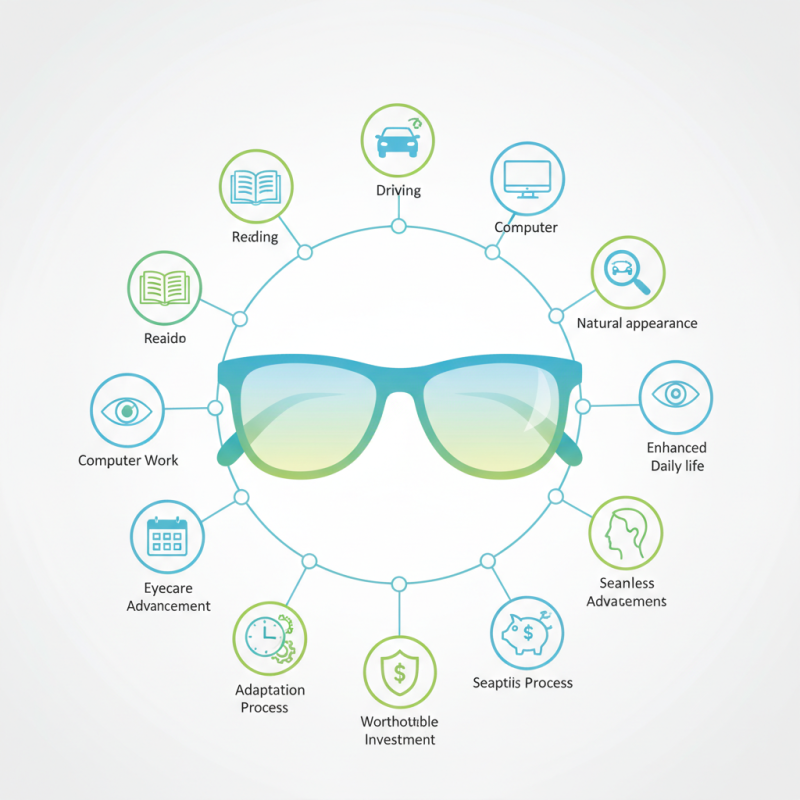
With no visible lines, progressive lenses provide a more natural look. They cater to various distance needs, from reading to driving. Users experience clear vision at all ranges. However, adapting to them can take time. Some may feel discomfort initially, highlighting the importance of professional fitting.
Choosing progressive lenses is not just about style. It's about enhancing daily life. Whether you are at work or enjoying leisure activities, clear vision is crucial. Embracing progressive lenses may require patience and adjustment, but the long-term benefits are undeniable. The investment in your vision is truly worthwhile.
Understanding Progressive Lenses: A Comprehensive Overview
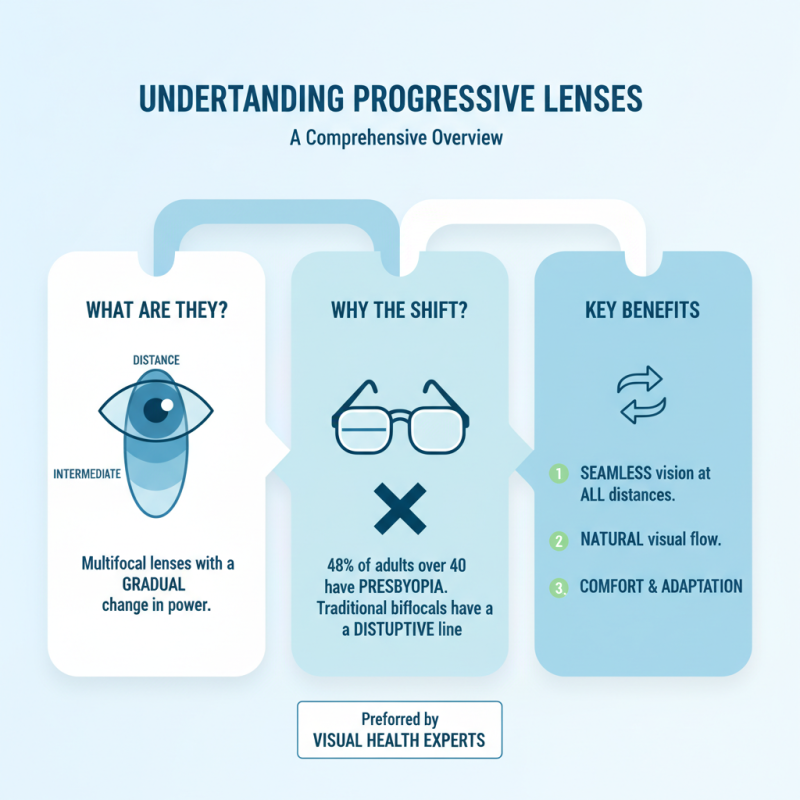
Progressive lenses are gaining popularity among experts in visual health. These multifocal lenses offer various strengths gradually, allowing seamless vision correction for distance and near tasks. Recent studies indicate that around 48% of adults over 40 are affected by presbyopia. Many struggle with traditional bifocals, as they create a distinct line, often disruptive to one's natural visual flow.
The use of progressive lenses can enhance daily life. According to the American Optometric Association, over 80% of presbyopic lens wearers prefer them due to increased comfort and convenience. They allow users to transition smoothly from close-up reading to long-distance viewing. This flexibility is appealing as it reduces the need for multiple pairs of glasses. Yet, adjusting to progressive lenses may take time. Some users report initial discomfort or distortion as they adapt.
Proper fitting is crucial for effectiveness. Misalignment can lead to headaches or dizziness. Research emphasizes the importance of individualized measurements during the fitting process. A report from the Vision Council notes that satisfaction rates significantly increase when personalized adjustments are made. While progressive lenses present undeniable advantages, understanding potential challenges is essential for optimizing vision correction.
Enhanced Vision at Multiple Distances with Progressive Lenses
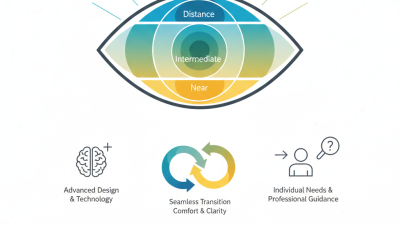
Progressive lenses offer enhanced vision across multiple distances, making them a popular choice for those with presbyopia. These lenses blend multiple prescription strengths seamlessly, allowing wearers to see clearly at near, intermediate, and far distances. According to a survey by the American Optometric Association, over 64% of adults aged 40 and older report using or needing multifocal lenses.
One significant advantage of progressive lenses is their gradual change in power. This design eliminates the visible lines found in traditional bifocals and trifocals, providing a more natural visual experience. Users can transition from reading a book to viewing a screen without significant eye strain. A study published in the Journal of Optometry found that 90% of progressive lens wearers preferred them over bifocals for comfort and aesthetics.
**Tips**: When choosing progressive lenses, consult with an eye care professional. They can recommend personalized adjustments for the best fit. Practice adjusting to your new lenses in different environments. Initially, wear them for short periods to help your eyes adapt. Lastly, be aware that some users may experience distortion initially; this is normal, and patience is key.
Top 10 Benefits of Progressive Lenses for Clear Vision
| Benefit |
Description |
| Seamless Vision |
Offers a continuous transition without visible lines, providing a natural field of vision. |
| Multiple Distance Correction |
Corrects vision for near, intermediate, and far distances in a single lens. |
| Aesthetic Appeal |
Looks like a standard pair of glasses without the visible lines of bifocals. |
| Customization Options |
Available in various designs and coatings to suit individual styles and preferences. |
| Reduced Eye Strain |
Minimizes fatigue when switching focus between different objects. |
| Enhanced Peripheral Vision |
Allows for better side vision, especially useful for activities like driving. |
| Convenience |
Reduces the need for multiple pairs of glasses for different activities. |
| Adaptability |
Helps users adapt quickly to changing visual demands throughout the day. |
| Support for Aging Eyes |
Aids those experiencing presbyopia and other age-related vision issues. |
| Improved Quality of Life |
Enhances daily activities and overall satisfaction with vision. |
Improved Aesthetics: The Cosmetic Advantage of Progressive Lenses
Progressive lenses offer more than just clear vision; they also enhance a person's appearance. Many individuals worry about how their glasses affect their style. Traditional bifocals or trifocals often come with a harsh design that can seem outdated. In contrast, progressive lenses have no visible lines. This seamless transition between different prescriptions allows wearers to appear modern and chic.
The cosmetic advantage of progressive lenses often goes unnoticed until someone switches to them. Users appreciate how these lenses complement various face shapes. The smooth curves of progressive lenses create a more polished look. For professionals and social individuals, this aesthetic improvement is valuable. It builds confidence and makes wearers feel more at ease in social situations.
However, the transition to progressive lenses is not always smooth. Some people may experience an adjustment period. They might feel dizzy or disoriented initially. This phase can be frustrating but often fades. Users must give themselves time to adapt. Wearing progressive lenses is about embracing change. This journey can lead not only to better eyesight but also to a fresh sense of self.
Comfortable Transition: How Progressive Lenses Reduce Eye Strain
Progressive lenses offer a smooth transition between different vision zones. They help users switch focus without the leap seen in bifocals. This feature significantly reduces eye strain, a common issue for those over 40. According to the American Optometric Association, around 60% of adults experience some form of eye strain throughout their day. Progressive lenses address this by blending multiple prescriptions seamlessly.
Eye strain often results from constant adjustments in vision. The Center for Vision Development states that users of progressive lenses report a 30% reduction in eye fatigue. This data highlights how these lenses can improve daily comfort. Users can focus on nearby tasks, like reading, and distant objects without discomfort. However, adapting to progressive lenses may take time for some individuals. The initial adjustment period can lead to mild distortion, particularly in peripheral vision. Recognizing and addressing these adjustments is vital for optimal use.
The convenience of progressive lenses also extends to reducing visual fatigue during prolonged screen time. A report from the Vision Council mentions that nearly 70% of adults experience discomfort from digital screens. Progressive lenses allow for more natural viewing angles. This leads to less eye strain during extended use. Yet, it’s worth noting that not everyone has a smooth transition. Some individuals may need additional support in finding the right lens design for their lifestyle. This underscores the importance of consulting with eye care professionals for personalized advice.
Top 10 Benefits of Progressive Lenses for Clear Vision
Progressive lenses offer a variety of benefits that significantly enhance vision quality and comfort. The chart above illustrates the importance ratings of the top 10 benefits of progressive lenses, ranging from reduced eye strain to improved quality of life.
Customization Options: Tailoring Progressive Lenses to Individual Needs
Progressive lenses are a great solution for people with varying vision needs. They offer a seamless transition between different prescriptions, allowing wearers to see clearly at all distances. Customization options make these lenses even more appealing. Each lens can be tailored to the individual's unique requirements.
With technology advancing, lens customization has become more precise. Optometrists can measure your visual needs accurately. This includes your frame size, face shape, and how you typically use your vision. Such details lead to more comfortable wear and effective vision correction. In many cases, minor adjustments can significantly enhance daily experiences, such as reading or working on a computer.
Still, the process of customizing progressive lenses can feel overwhelming. Some may struggle to adapt to their new vision solutions. Every wearer must learn to balance the various strengths within their lenses. It often takes time to find the optimal fit. Engaging with professionals can ease this transition. A thorough discussion about your lifestyle and vision preferences is crucial for achieving the best results. Trustworthy recommendations from eye care specialists can lead you to personalized solutions.