Top 5 Impact Lenses for Incredible Performance and Protection?
In today's fast-paced world, the need for high-performance eye protection is paramount. Impact lenses play a crucial role in safeguarding our vision against potential hazards. According to a report by the Vision Council, over 40% of eye injuries occur during common activities, emphasizing the importance of selecting the right eyewear.
Dr. Emily Chen, a leading expert in optical safety, states, "Impact lenses are not just an option; they are a necessity for anyone at risk of eye injury." This highlights how protective eyewear can significantly reduce the chance of accidents. Yet, with so many options available, choosing the best impact lenses can be challenging.
While some lenses offer excellent clarity, others may excel in durability. Not all impact lenses are created equal. It’s essential to weigh the pros and cons of each option. A thorough understanding of the lens materials, coatings, and designs can lead to better choices. The right impact lenses can enhance performance while providing the protection we need.
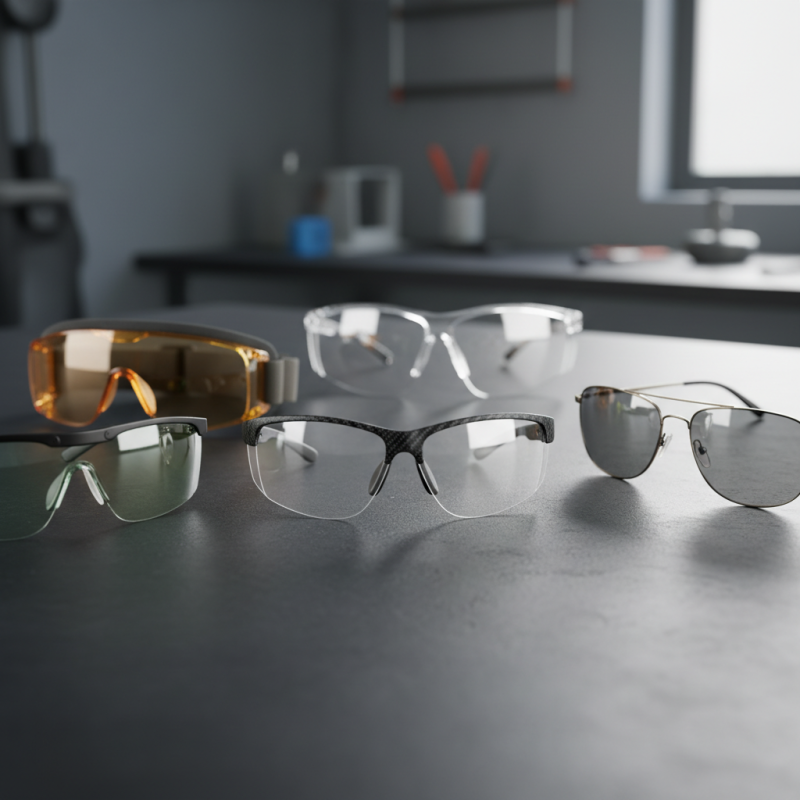
Understanding Impact Lenses and Their Importance in Eyewear
Impact lenses play a vital role in eyewear, particularly for activities involving high risk. These lenses are designed to withstand significant force, protecting the eyes from potential injuries. According to a report from the American Academy of Ophthalmology, around 90% of eye injuries can be prevented with the right protective eyewear. This statistic underscores the necessity of impact lenses, especially in sports and industrial settings.
When choosing eyewear, it's essential to understand the material used in impact lenses. Polycarbonate lenses offer excellent impact resistance. They are about ten times more effective than standard plastic lenses. Another noteworthy option is Trivex, which combines lightweight design with high durability. Knowing these options allows you to make informed decisions, ensuring safety without compromising comfort.
**Tips:** Always check for compliance with safety standards when selecting lenses. Consider lenses with anti-fog coatings for better visibility in various conditions. Regularly inspect your eyewear for scratches or damages that could impair performance.
Top 5 Impact Lenses for Incredible Performance and Protection
This chart displays the impact resistance ratings of the top five types of impact lenses used in eyewear. Polycarbonate lenses offer the highest rating, making them an excellent choice for performance and protection.
Key Features to Look for in High-Performance Impact Lenses
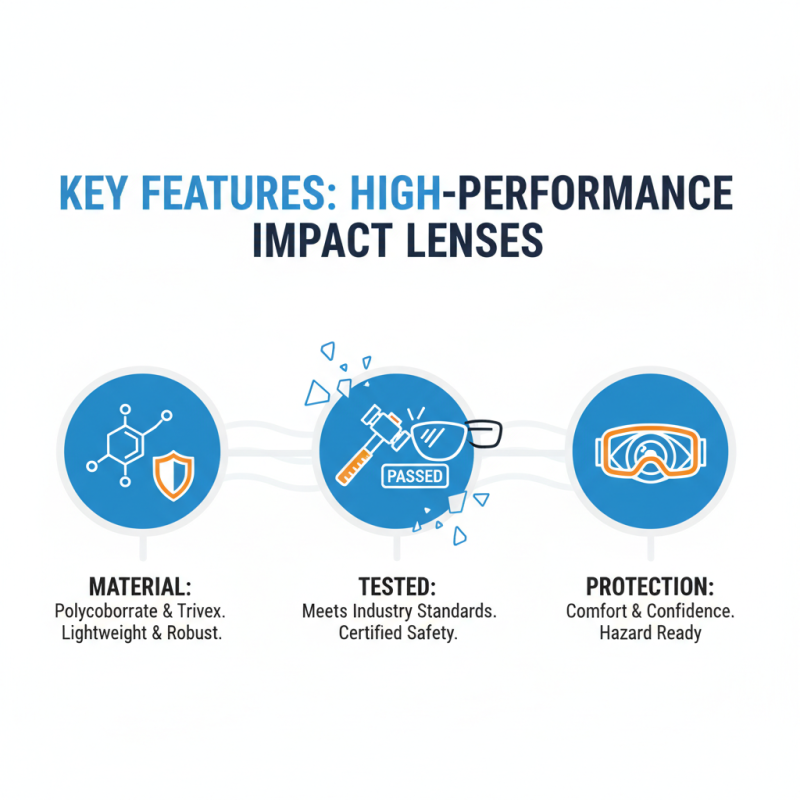
When selecting high-performance impact lenses, several key features are essential. The first is the lens material. Polycarbonate and Trivex are excellent choices for impact resistance. They are lightweight yet robust, ensuring both comfort and safety. Opt for lenses that undergo rigorous testing to meet or exceed industry impact standards. This adds a layer of confidence when facing potential hazards.
Another critical feature is UV protection. Quality impact lenses should block 100% of harmful UV rays. Extended UV exposure can lead to serious eye damage over time. Ensure the lenses also come with anti-fog and scratch-resistant coatings. These coatings enhance longevity, providing clearer vision, especially in varied conditions.
Finally, consider the optical clarity of the lenses. Distortions can lead to distractions and visual fatigue. The right lenses should offer crisp and clear vision, regardless of the environment. Always evaluate the fit and comfort. An ill-fitting lens can compromise performance. Examining these aspects is vital for achieving optimal protection and performance.
Top 5 Impact Lenses: An Overview of Performance and Protection
When it comes to protective eyewear, understanding impact lenses is crucial. These lenses aren't just about clarity; they significantly enhance safety in both sports and everyday activities. According to a report by the Eye Safety Institute, nearly 90% of eye injuries can be prevented with proper eyewear. This statistic underscores the importance of selecting the right lenses.
Impact lenses are designed with advanced materials that offer superior transmission of light while providing protection against projectiles. Studies indicate that polycarbonate lenses, for example, are 10 times more impact-resistant than standard plastic lenses. However, not all impact lenses are created equal. Some provide UV protection while others may not. A reliable assessment of your needs is essential before choosing the appropriate type.
The discrepancy in performance can be shocking. Some lenses protect against scratches while others do not. It’s important to evaluate the specifics of what you need from your eyewear. High-performance lenses often feature coatings that enhance durability. But these added benefits can sometimes lead to higher costs. Balancing budget with protection is an ongoing challenge for many consumers. Understanding what truly matters in impact lenses can lead to better choices.
Top 5 Impact Lenses for Incredible Performance and Protection
| Lens Type |
Impact Resistance (ANSI Z87.1) |
UV Protection (% UV blocked) |
Visibility (Clarity Scale) |
Weight (grams) |
| Polycarbonate |
High |
99% |
Excellent |
30 |
| Trivex |
Very High |
100% |
Superior |
28 |
| CR-39 |
Medium |
98% |
Good |
34 |
| Glass |
Varies |
95% |
Excellent |
50 |
| Polycarbonate Mirror Coating |
High |
99% |
Excellent |
32 |
Comparative Analysis of the Best Impact Lenses on the Market
When selecting impact lenses, several factors contribute to their performance and protection. Reports from the American National Standards Institute (ANSI) indicate that impact-resistant lenses must meet specific criteria to provide adequate protection. Tested lenses should withstand impacts from projectiles traveling at 150 feet per second without shattering. This benchmark ensures reliable safety, especially important in high-risk environments.
The material choice is critical. Polycarbonate is often favored due to its high impact resistance and lightweight nature. Research shows that polycarbonate lenses can absorb up to 90% of UV rays. However, some users have reported issues with scratch resistance and optical clarity over time, leading to concerns about long-term wear.
Additionally, other advanced materials, like Trivex, offer similar benefits but may provide better optical clarity.
While many lenses boast similar features, attention to detail matters. Some lenses might be thinner but may compromise on impact protection. Depending on activities, individuals often reflect on their specific needs. The clarity and comfort provided by lenses can significantly affect user experience. In real-world usage, feedback reveals inconsistencies in performance among various products. Users must balance protection with comfort and usability in their choice.
User Recommendations and Insights on Choosing Impact Lenses
When selecting impact lenses, user recommendations play a crucial role. Many individuals prioritize certified lenses that meet industry safety standards. Reports show that lenses meeting ANSI Z87.1 standards provide effective protection against high-velocity impacts. Such lenses reduce the likelihood of injuries during sports or outdoor activities.
Comfort and fit are also essential factors. Users often mention that poorly fitting lenses can lead to increased fatigue and distractions. Research indicates that 85% of athletes experience discomfort due to improper lens sizing. Lenses should not only be protective but also comfortable for extended wear. This balance is critical for optimal performance.
Moreover, clarity and UV protection cannot be overlooked. Optics experts advise choosing lenses that offer 100% UV protection. Users frequently note the difference in clarity and vision quality with high-performance coatings. They enhance visual acuity and reduce glare, enhancing overall safety during activities. However, users must weigh these preferences against personal experiences and local environmental conditions. Each user's unique choices reflect the complexity of finding the right impact lenses.