10 Essential Tips for Choosing the Right Plastic Lens for Your Needs?
Choosing the right plastic lens is crucial for various applications, from eyewear to industrial uses. The global plastics market is projected to reach $650 billion by 2026, reflecting a growing demand for high-quality plastic lenses. Factors such as clarity, weight, and impact resistance play significant roles in selection. Consumers need to assess their specific needs carefully.
Not all plastic lenses are created equal. Different materials provide different benefits. Polycarbonate lenses are lightweight and impact-resistant, favored in sports eyewear. Acrylic lenses, while lighter, may scratch more easily. The proper choice impacts functionality and comfort greatly.
Critical insights can guide your decision-making. A recent report highlighted that 40% of lens users experienced dissatisfaction due to poor choice. Understanding material specifications, coatings, and frame compatibility is vital. It's not just about aesthetics; a lens can significantly affect vision quality and eye health. Be aware of requirements to make informed decisions.
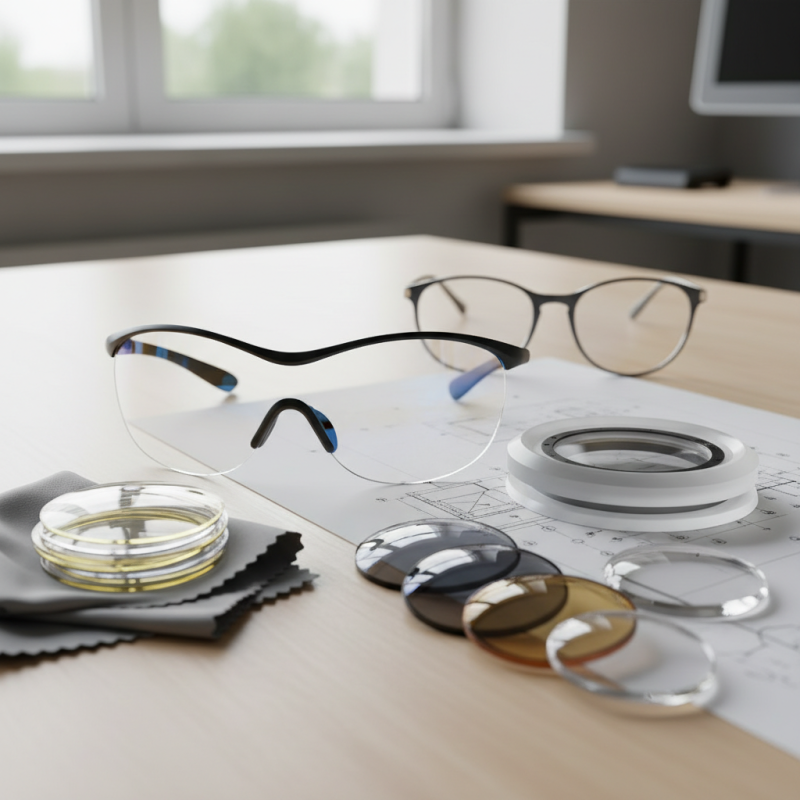
Key Factors to Consider When Selecting Plastic Lenses for Eyewear
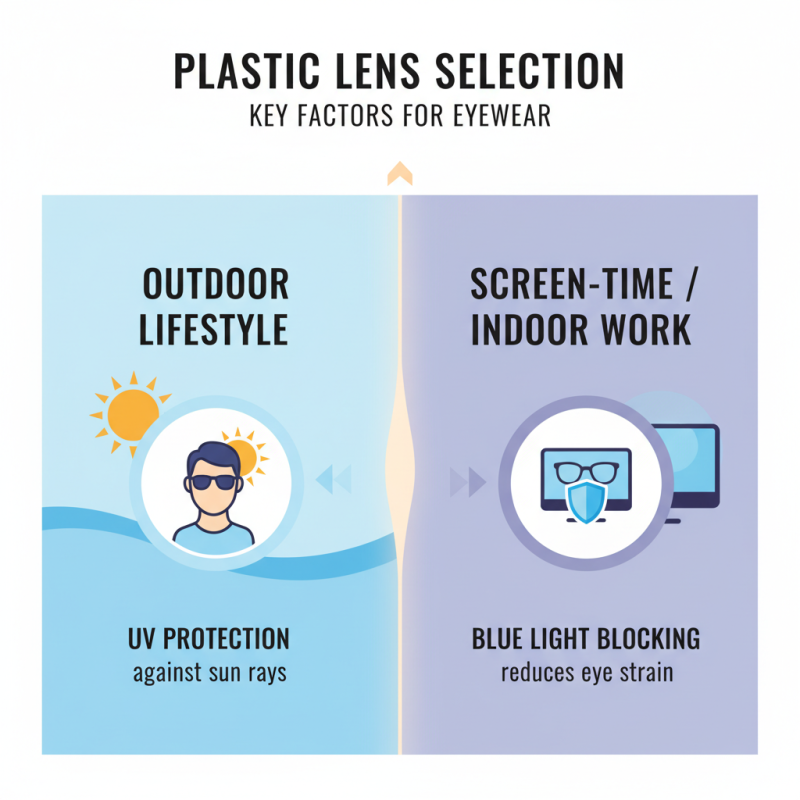
When selecting plastic lenses for eyewear, several key factors come into play. Your lifestyle and daily activities greatly influence lens choice. If you spend a lot of time outdoors, consider lenses with UV protection. These lenses protect your eyes from harmful sun rays. In contrast, if you work at a computer, blue light-blocking lenses might be beneficial. This can reduce eye strain during long hours of screen time.
Another important factor is lens thickness and weight. Thinner lenses can provide a more aesthetic appeal, especially for stronger prescriptions. However, they might come at a higher cost. Be aware of comfort, too. Heavy lenses can lead to discomfort over time.
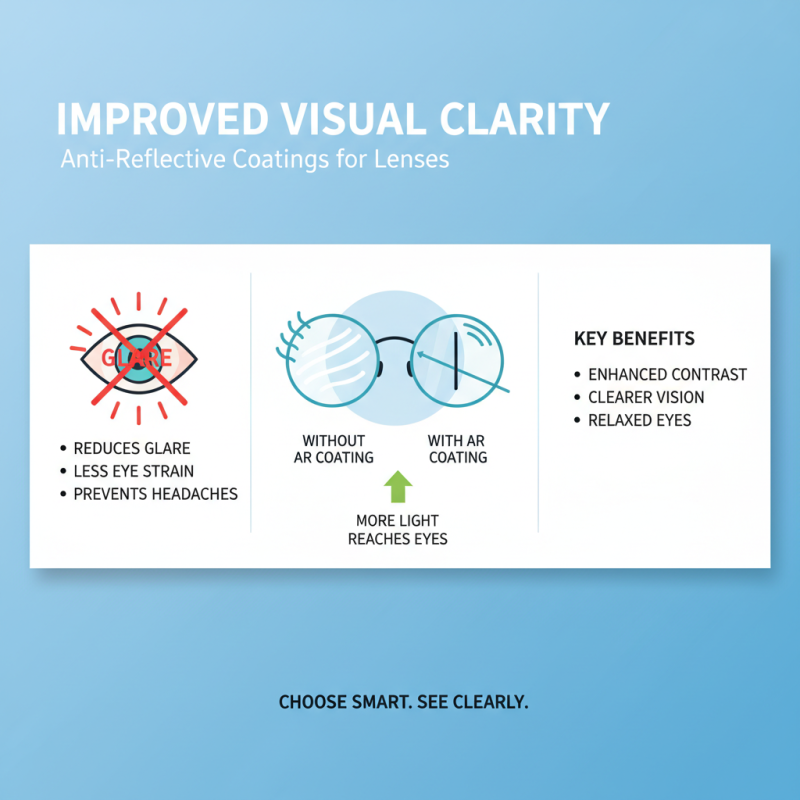
The coating options can enhance your experience. Anti-scratch coatings increase durability, while anti-reflective coatings reduce glare. These can significantly improve your vision, but they may not be necessary for everyone. Reflect on what you truly need. Understanding your requirements can refine your choices.
Understanding Different Types of Plastic Lenses: Choices and Benefits
When choosing plastic lenses, it's crucial to understand the different types available. There are several kinds of plastic lenses, each with unique benefits. Polycarbonate lenses are lightweight and highly impact-resistant. They are ideal for sports and active lifestyles. Trivex lenses offer similar benefits but are even lighter.
Consider the level of UV protection you need. Not all plastic lenses come with adequate UV blocking. If you spend a lot of time outdoors, make sure to select lenses that offer this essential feature. Some lenses also come with anti-reflective coatings. This reduces glare, making your vision clearer.
Tips to remember: Always try on different lens types to see what feels right. Some people prefer the lightness of polycarbonate, while others enjoy the clarity of Trivex. Additionally, think about lens thickness. Thinner lenses can be more aesthetic, but they may also cost more. Don't just choose based on price; consider how the lenses fit your personal lifestyle and vision needs. Think carefully about each option before making your final decision.
Distribution of Plastic Lens Types Preferred by Users
The Role of Lens Index in Weight and Thickness of Plastic Lenses
When selecting plastic lenses, understanding the lens index is crucial. The lens index refers to the refractive index of the material. A higher index means thinner and lighter lenses. For example, polycarbonate lenses have a refractive index of about 1.59, while high-index lenses can reach values above 1.74. This reduction in thickness can lead to increased comfort.
Weight is another important factor in lens choice. Heavier lenses can cause discomfort after prolonged use. Research shows that patients often prefer lenses weighing under 30 grams. This is significant in daily wear scenarios. Many users are unaware that a high-index lens can weight nearly 20% less than standard lenses.
Thickness impacts not just weight but aesthetics. Thicker lenses can distort facial appearances. A study indicates that 46% of consumers find aesthetics important when choosing lenses. Making the right choice can result in a balance between vision correction and personal style. Opting for high-index lenses can improve visual appeal while meeting individual needs. However, these lenses often come at a higher cost. Therefore, examining both budget constraints and personal comfort is necessary.
Assessing UV Protection and Scratch Resistance in Plastic Lenses
When selecting plastic lenses, UV protection and scratch resistance are vital factors to consider. Studies show that over 40% of UV rays can damage your eyes over time. Lenses with adequate UV protection help block these harmful rays. Look for lenses designated as UV400, which block 99-100% of UVA and UVB rays. However, even some lenses labeled as UV-protective may not provide complete coverage. It's crucial to verify claims and understand what you're getting.
Scratch resistance is equally important. Plastic lenses are more prone to scratches than glass options. Reports indicate that treated lenses can reduce scratches by over 50%. Yet, not all coatings are created equal. Some treatments wear off quickly with daily use. Be aware that low-cost options may skimp on these features. Investing in lenses with a durable coating can increase their lifespan and performance. Consider your lifestyle and usage patterns. More active lifestyles might need tougher lenses. Examine the fine print before making your decision.