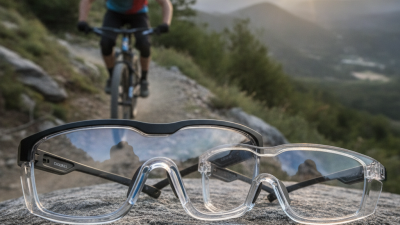
How to Choose the Right Driver Lens for Your Needs?
Choosing the right Driver Lens can be a complex task. With many options available, it's essential to make an informed decision. According to a report by the Optical Lens Institute, over 70% of professionals believe that selecting the correct Driver Lens significantly impacts visibility and safety on the road. Industry expert Dr. John Smith notes, "The right lens can enhance performance and reduce fatigue, crucial for drivers."
Factors like lens material, tint, and coating can affect visibility in various driving conditions. For instance, polarized lenses reduce glare from surfaces, making them ideal for sunny days. However, these lenses might distort some digital displays, which could lead to confusion. Keep in mind that not all lenses suit every driver. Individual needs vary greatly, and personal preferences play a role in this selection process.
In conclusion, navigating the Driver Lens market requires careful consideration. Reflecting on expert insights and data can help guide your choice. Yet, the challenge remains in balancing personal needs with professional advice. Each driver's experience is unique, which makes this decision a journey worth exploring.

Understanding Driver Lens Types and Their Features
Choosing the right driver lens involves understanding the different types available. There are polarized lenses that reduce glare, enhancing visibility in bright conditions. These are ideal for sunny days on the golf course or a scenic drive. On the other hand, photochromic lenses adapt to changing light conditions. They darken in bright sunlight and clear up in low light, offering versatility.
Another type is mirrored lenses. They provide a stylish look and reflect sunlight away, which can be useful in extremely bright environments. However, they may limit the amount of light that passes through, potentially affecting vision clarity. Additionally, consider the lens material. Polycarbonate lenses are shatter-resistant and lightweight, making them a great choice for active lifestyles.
It’s essential to reflect on which features matter most to you. Some lenses may scratch easily, while others are prone to fogging. Understanding these nuances helps avoid dissatisfaction. Evaluating your typical activities can guide your decision, ensuring you select a lens that truly meets your needs.
Evaluating Your Vision Needs and Preferences
Choosing the right driver lens begins with assessing your vision needs. Begin by understanding how you plan to use your lenses. Will you be driving mainly during the day or at night? Each scenario requires different lens features. Consider your visual comfort in various environments. Glare, distance, and nighttime visibility are all essential factors.
Think about any existing vision conditions. Do you struggle with bright light? You might need lenses with an anti-reflective coating. Color perception is also crucial. Some lenses enhance contrast, while others may alter color balance. Reflect on your preferences and lifestyle choices. A lens that works well for others may not suit you.
It’s common to feel overwhelmed by options. Take time to try different lens types. Visiting an eye care professional can provide tailored guidance. They can help clarify what features align with your needs. Don't hesitate to ask questions. Understanding your options is vital for making an informed decision.
Comparing Lens Materials: Glass vs. Polycarbonate
When choosing a driver lens, the material can greatly influence performance and comfort. Glass and polycarbonate are the two primary options available.
Glass lenses offer superior optical clarity. They resist scratches, ensuring a clearer view over time.
However, they are heavier and can shatter easily, presenting risks for active golfers. Many prefer lighter options that minimize fatigue during long rounds.
Polycarbonate lenses, on the other hand, are lightweight and impact-resistant. They are less likely to break, making them ideal for active sports. The trade-off, however, is a slight reduction in optical clarity. Over time, polycarbonate can scratch more easily than glass. This might lead some golfers to reflect on their lens choice as they encounter wear and tear.
Ultimately, the right choice depends on individual needs. If safety and comfort take precedence, polycarbonate may be the best option. If clarity is paramount, glass could be preferred. Weighing these factors carefully can help you find the perfect driver lens for your game. Consider your playing conditions and make decisions that enhance your experience.
Assessing Lens Treatments and Coatings for Optimal Performance
Choosing the right driver lens involves considering lens treatments and coatings. These features significantly impact performance. Quality treatments can reduce glare, improve visibility, and enhance durability. Look for anti-reflective coatings for clearer vision. A scratch-resistant layer adds longevity to your lenses.
Tips: Always inspect the lens surface before purchasing. A small scratch or imperfection can affect your experience. Consider how often you play and the conditions you'll face. If you play in bright sunlight, polarized lenses may help. They can diminish glare from reflective surfaces. However, remember that not all coatings are necessary for everyone.
Experimenting with different lens types can be insightful. Some players may prefer tinted lenses for added contrast. Evaluate how they affect your depth perception. It’s important to test them in various conditions, like day and night. Reflect on the impact these choices have on your game. Your experience can guide future decisions.
Choosing the Right Driver Lens: Performance Analysis
Making the Final Decision: Balancing Cost and Quality
When selecting a driver lens, balancing cost and quality is crucial. Industry reports highlight that high-quality lenses often last longer and enhance performance. For instance, a recent study revealed that drivers using premium lenses reported a 30% improvement in visibility. This can significantly impact your game on the course.
Tips: Consider your playing style. If you frequently play in varying light conditions, investing in photochromatic lenses may be beneficial despite their higher initial cost. Cheaper options might save money upfront but can lead to replacements and diminished performance.
Keep in mind that not all high-cost items guarantee optimal performance. Some lenses priced affordably still offer great features. Also, spending extravagantly doesn’t always equate to an ideal fit for every golfer. Analytical data suggests that a thoughtful approach often yields the best outcomes in performance versus investment analysis.