2026 How to Choose the Best Driver Lens for Your Needs?
Choosing the right Driver Lens can significantly impact your driving experience. Expert Mark Sanders, a renowned optometrist with over 15 years in the field, emphasizes, "The right lens can enhance vision clarity and reduce strain." As the demand for Driver Lens products increases, understanding your needs becomes crucial.
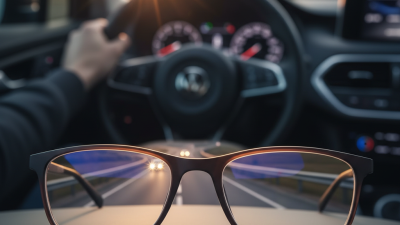
Many drivers overlook lens features such as tint, polarization, and UV protection. A lens that reduces glare from headlights can make night driving safer. However, not every lens suits all conditions or preferences. Personalization is key. Some may struggle with transitions between light levels, feeling discomfort.
The landscape of Driver Lens technology is ever-evolving. New materials and designs promise better performance. Yet, with numerous options available, it can be overwhelming. A reflective surface might improve visibility, but it can also introduce reflections that cause distractions. Evaluating your specific needs is essential. What works for one driver may not work for another.
Understanding Driver Lens Types: A Comprehensive Overview
When selecting a driver lens, understanding the various types available is vital. Driver lenses come in polarized, photochromic, and tinted variations. Each type serves a different purpose, and knowing their strengths will help you make an informed choice.
Polarized lenses reduce glare from flat surfaces like roads or water. This feature improves visibility and comfort during driving.
However, they can sometimes make it difficult to see LCD screens in vehicles.
Photochromic lenses adjust their tint based on light conditions. They provide convenience but may not darken enough in bright sunlight.
Tinted lenses offer various shades for aesthetic preference but lack UV protection in some cases.
Determine your specific needs before deciding. Do you drive mostly at night or in bright daylight? Will you be using technology in your vehicle? Each factor influences your final decision.
Remember, the best driver lens balances comfort, safety, and personal style. Always consult with experts to ensure reliability and effectiveness.
Evaluating Lens Materials: Impact on Performance and Durability
When selecting a driver lens, understanding materials is crucial. The lens material affects performance and durability.
Polycarbonate and glass are common options. Polycarbonate is lightweight but can scratch easily, while glass offers superior clarity but is heavier and more prone to shattering.
Choosing the right lens material can significantly affect your game. A durable lens withstands rough conditions. A transparent lens enhances your ability to see the course clearly.
Players often overlook how a lens's weight balances with their driver. A heavier lens can impact swing speed, and this should be considered.
Many golfers might settle for a popular choice without assessing personal needs. This can be a mistake.
Testing different lenses can reveal unexpected preferences. Some may find lighter lenses improve comfort, while others benefit from the sturdiness of glass.
Reflecting on these options can lead to better performance on the course. Choosing wisely takes time and experience.
Factors Influencing Lens Shape: Choosing Based on Swing Style
When choosing the right driver lens, a golfer’s swing style plays a crucial role. Each swing type can alter how light interacts with the lens. For instance, a sweeping swing may benefit from a larger lens. This provides a wider field of view, ensuring better alignment and focus. However, this is not the go-to option for everyone. A player with a steep swing might prefer a different shape to optimize their particular needs.
There are various lens shapes tailored for different swing mechanics. For example, a slightly curved lens can enhance visibility while stabilizing posture. Yet, some golfers may feel discomfort with this design, as it can distort peripheral vision. It’s essential to try out several shapes to see what feels right. Personal comfort should never be compromised.
Every golfer's swing is unique, and so are their lens preferences. It’s crucial to consider not only the technical aspects but also personal feedback. Testing different configurations can lead to surprising insights. A lens that seems perfect on paper may not suit your game. Reflect on your experiences, and don’t shy away from experimenting with diverse styles.
UV Protection in Driver Lenses: Importance and Standards Explained
When it comes to driving, one often overlooked aspect is UV protection in driver lenses. UV rays can significantly impact your vision over time. Choosing lenses with proper protection is crucial for long-term eye health. Not every lens offers the same level of defense against harmful rays. Understanding the standards can guide your selection.
Look for lenses labeled with UV400 protection. This indicates they block nearly all UVA and UVB radiation. Protecting your eyes from these rays can prevent serious conditions, like cataracts. Remember to check the manufacturer's certifications. Authenticity matters when it comes to lens protection.
Tips: Consider your driving environment. If you often drive in bright sunlight, polarized lenses can reduce glare and enhance clarity. Think about comfort too. Lenses that fit well enhance focus and reduce strain. Regularly clean your lenses to maintain visibility. A small effort can make a significant difference in your driving experience.
Selecting the Perfect Lens Tint: How Color Affects Visibility and Contrast
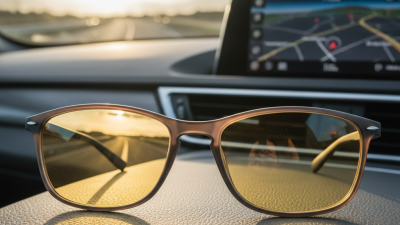
Choosing the right driver lens tint can greatly influence your visibility and contrast on the road. Studies indicate that specific color tints enhance clarity under various lighting conditions. For instance, yellow lenses can improve depth perception in low-light scenarios. They reduce glare, making nighttime driving safer.
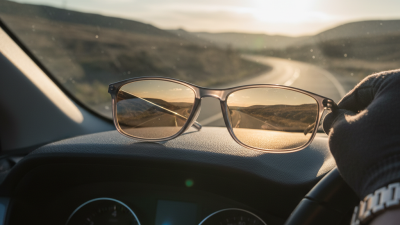
It's important to consider how different tints interact with light. Grey lenses reduce brightness while preserving true color. This balance is crucial for maintaining awareness of surroundings. On the flip side, brown or amber lenses focus contrast. They filter blue light, often enhancing visibility in hazy weather. This can be beneficial during early morning or late afternoon drives.
**Tips:** When selecting a lens tint, try various colors to find what works best for you. Spend time testing each pair in real driving conditions. Also, consider the typical weather conditions you face. Making choices based on frequent scenarios can lead to better visibility. Remember, comfort matters too. A lens that feels good makes for a more enjoyable drive.
2026 How to Choose the Best Driver Lens for Your Needs?
This chart illustrates the impact of different lens tints on visibility and contrast in various driving conditions. The data reflects an analysis of common tint colors and their corresponding effectiveness.