How to Choose the Right Driver Lens for Your Needs?
Choosing the right Driver Lens is a crucial decision for any professional driver or automotive enthusiast. According to the latest market report by Research and Markets, the global automotive lens market is projected to reach $30 billion by 2025. Selecting the ideal Driver Lens can significantly enhance visibility, performance, and safety on the road. However, this choice can often feel overwhelming due to the variety of options available.
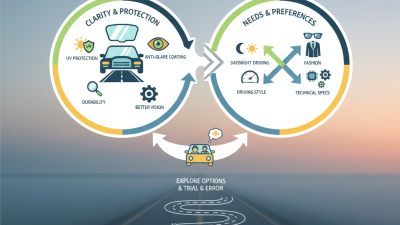
Understandably, not all lenses are created equal. A study by the Optical Society revealed that improper lens selection could lead to reduced clarity and even driver fatigue. Drivers need to consider factors like UV protection, clarity, and lens material. Even minor imperfections can cause distractions and affect overall driving safety. It's essential to reflect on one’s driving habits and environments when making this choice.
Experience plays a vital role in navigating this landscape. Engaging with industry experts or driving specialists can provide invaluable insights. As you embark on this journey, remember that the right Driver Lens is not just a matter of preference but a component that can impact your driving experience. The market offers many choices, but not all will meet your specific needs. Thoughtful consideration will guide you toward the right path.

Understanding Different Types of Driver Lenses Available in the Market
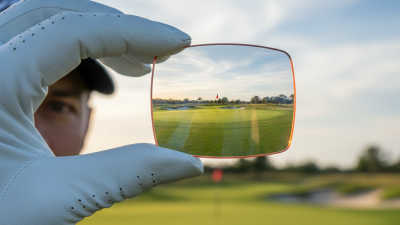
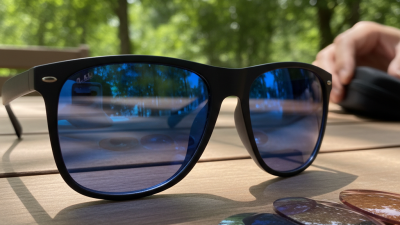
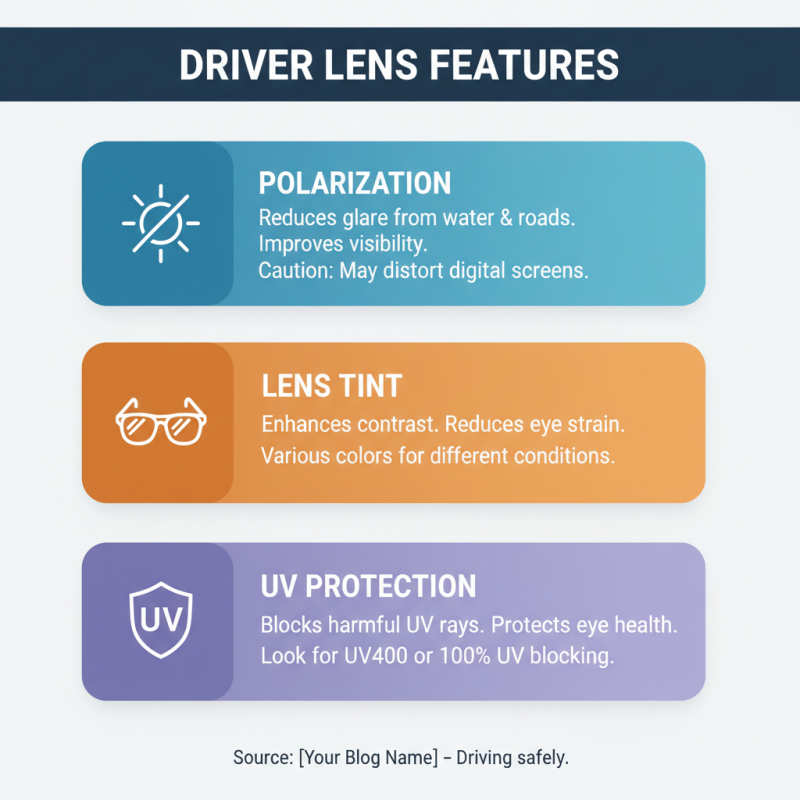
When selecting a driver lens, it’s crucial to understand the various types available. Each lens type serves specific needs based on driving conditions. For example, polarized lenses effectively reduce glare from surfaces like water and roads, enhancing visibility. According to a report by the Vision Council, 70% of drivers believe glare significantly impacts their safety while driving.
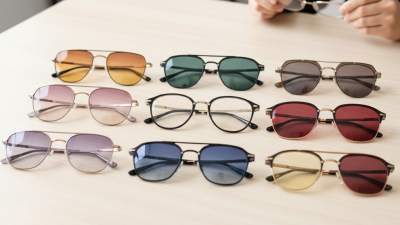
Photochromic lenses are another popular choice. These lenses darken in sunlight and clear up indoors, offering convenience for drivers who transition frequently between environments. Studies show that 30% of drivers struggle with brightness changes, making photochromic lenses a beneficial investment. These lenses can provide up to 100% UV protection, which is vital for eye health.
However, not all lenses are perfect for every situation. Some individuals may find polarized lenses hinder their ability to read electronic displays. This is an aspect that requires careful consideration. Choosing the right driver lens can enhance your comfort and safety, but it demands awareness of your driving habits and environments. Evaluate personal needs and consult with an eye care professional to make the most informed choice.
Evaluating Your Driving Conditions and Vision Needs
When considering driver lenses, it’s essential to evaluate your specific driving conditions and visual needs. Studies indicate that nearly 90% of driving decisions are based on visual cues. Therefore, understanding how light, distance, and speed affect your vision can enhance your driving experience. For instance, night driving demands lenses that minimize glare. Data shows that 50% of drivers report discomfort at night, which suggests that adaptive lenses could improve safety.
Rain or fog can significantly impair visibility. If you frequently drive in such conditions, consider anti-fog or water-repellent coatings. Research reveals that poor visibility leads to a 25% higher likelihood of accidents in inclement weather. Another critical factor is UV protection. Extended exposure can lead to long-term vision problems. A report from the American Academy of Ophthalmology states that 20% of drivers are unaware of UV risks while driving.
Think about your vision prescriptions as well. If you have astigmatism or other corrective needs, specialized lenses are necessary. Many drivers overlook how prescription lenses can impact their overall driving safety. It's a vital consideration that shouldn’t be simplified. Identifying your environments, like urban or rural settings, can also influence your choice. Adjusting your lenses to fit these specific needs shows foresight and care for your personal safety.
Determining the Right Lens Material for Durability and Clarity
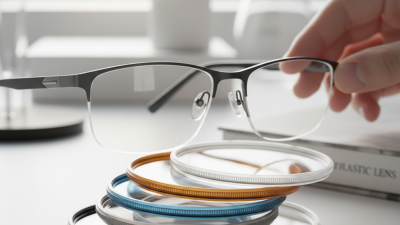
Choosing the right lens material for your driver is crucial for both durability and clarity. There are several types of materials available, each with unique benefits. Polycarbonate is a popular choice. It's lightweight and impact-resistant, making it ideal for everyday use. However, it can scratch more easily than other materials, so consider a protective coating.
Another option is Trivex, which offers similar benefits but with added optical clarity. This material is also lightweight and resistant to impact. It often provides clearer vision compared to polycarbonate. If you want durability along with the best optical performance, Trivex could be your go-to choice.
Tips: Always opt for lenses that include a UV coating to protect your eyes from harmful rays. Regularly check your lenses for scratches or signs of wear. They can affect your vision quality. Lastly, think about your activities. If you’re active, choosing a more durable lens is essential for safety.
How to Choose the Right Driver Lens for Your Needs? - Determining the Right Lens Material for Durability and Clarity
| Lens Material |
Durability |
Clarity |
Weight |
Cost |
| Polycarbonate |
High |
Good |
Lightweight |
Affordable |
| Trivex |
Very High |
Excellent |
Lightweight |
Moderate |
| High Index |
Moderate |
Very Good |
Lightweight |
High |
| Glass |
Very High |
Excellent |
Heavy |
High |
| Bipolar |
Moderate |
Good |
Lightweight |
Affordable |
Choosing the Best Brand Based on Quality and Performance Ratings
When selecting a driver lens, understanding brand quality and performance is crucial. Some brands consistently produce lenses used by professionals. These lenses demonstrate superior optical clarity and durability. Reviews from fellow players often highlight their experiences with specific brands. Such insights can guide your choice, revealing which lenses perform best in various conditions.
Performance ratings matter significantly. Look for lenses that excel in impact resistance and scratch prevention. A lens that breaks easily is not reliable. Players often report that certain brands have higher ratings based on independent tests. These ratings reflect real-world use and experiences. Dive into details like weight and comfort; even the lightest lens can feel heavy during long sessions.
Identifying a trusted brand can enhance your performance. Reflect on your own experiences and gather opinions. Sometimes, what works for one player may not suit you. Pay attention to both positive and negative feedback. Balancing personal preferences with established ratings is vital. Adjust your selections based on comfort and performance for better play.
Driver Lens Quality and Performance Ratings