What is Tinted Lens and How Do They Benefit Your Vision?
Tinted lenses have become a popular choice for individuals seeking enhanced vision while outside. Dr. Sarah Mitchell, an optometrist with over 15 years of experience, states, “Tinted lenses can improve contrast and reduce glare, making them essential for outdoor activities.” As we explore the benefits of tinted lenses, it is crucial to understand how they impact our vision.
These specialized lenses come in various shades and can serve multiple purposes. For instance, darker tints can protect against harmful UV rays, while lighter tints might simply reduce brightness. Additionally, certain colors can enhance depth perception and clarity. However, not all tints are suitable for everyone, and users often overlook this aspect.
Choosing tinted lenses should involve careful consideration. Regular eye check-ups and consultations with professionals are vital. Simply picking a popular tint may not yield the desired results. Reflecting on individual needs can guide users toward better vision solutions. Tinted lenses are more than just a style choice; they are tools for optimal visual clarity.
What Are Tinted Lenses?
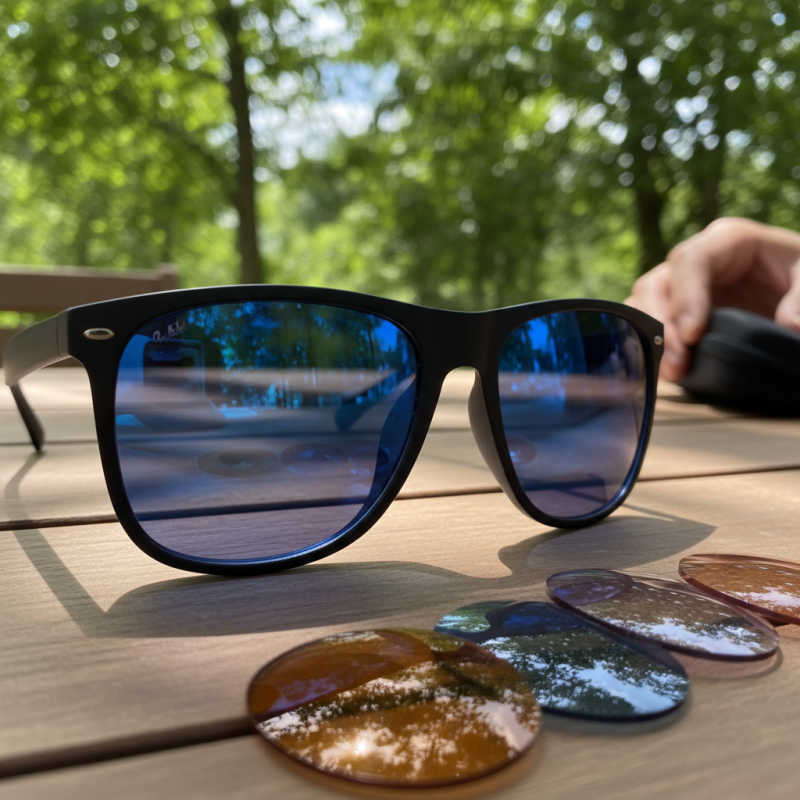
Tinted lenses have gained popularity for their vision-enhancing properties. These specialized lenses come in various shades and provide significant benefits for daily activities. According to a report by the American Optometric Association, tinted lenses can reduce glare and enhance contrast, especially in bright environments. This can be particularly beneficial for individuals who spend long hours outdoors or under harsh lighting.
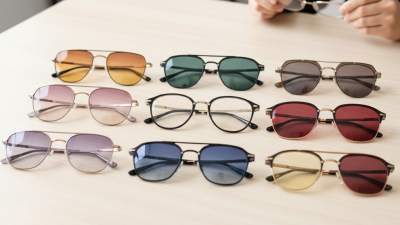
The main types of tinted lenses include gray, brown, and yellow. Gray lenses help to reduce brightness without distorting colors, making them ideal for driving. Brown lenses enhance contrast and depth perception, beneficial for outdoor sports. Yellow lenses improve clarity in low-light conditions, which can be helpful during early morning or evening activities. However, there is ongoing debate about the effectiveness of certain tints under specific conditions. For instance, while some users report improvements in visual comfort, not everyone experiences significant benefits.
Research indicates that the effectiveness of tinted lenses can vary from person to person. Factors such as individual eye conditions and personal preference play a crucial role. A study published in the Journal of Optometry noted that some wearers can feel a lack of clarity with certain tints. Hence, it's essential to recognize that while tinted lenses can be helpful, they may not be the ideal solution for everyone. Adjusting to tinted lenses may require a period of acclimatization, and ongoing feedback from users is invaluable in optimizing their use.
Types of Tinted Lenses Available
Tinted lenses can enhance your vision in various ways. They filter light and reduce glare, making daily activities more comfortable. There are several types of tinted lenses, each serving a unique purpose.
Gray lenses are popular for reducing brightness without distorting colors. They are excellent for outdoor activities. Brown lenses enhance contrast, making them suitable for driving and sports. Yellow lenses can improve depth perception, especially in low-light conditions. Each type offers specific benefits.
When choosing tinted lenses, consider your environment. If you spend time outdoors, gray or brown lenses may work best. For indoor use, yellow lenses could help with lighting changes.
Here are a few tips: Always consult an eye care professional before deciding. They can guide you based on your specific vision needs. Test different tints to find what feels right for you. Comfort is key. Remember, not all lenses suit everyone. Explore options before making a choice.
What is Tinted Lens and How Do They Benefit Your Vision? - Types of Tinted Lenses Available
| Type of Tinted Lens |
Benefits |
Common Uses |
| Gray Tinted Lenses |
Reduces overall brightness while preserving natural color. |
Driving, outdoor activities, general sun protection. |
| Brown/Amber Tinted Lenses |
Enhances contrast and depth perception, reduces glare. |
Fishing, golfing, and various sports. |
| Yellow/Gold Tinted Lenses |
Improves contrast and visibility in low-light conditions. |
Hunting, skiing, and night driving. |
| Green Tinted Lenses |
Reduces glare and enhances contrast without distorting colors. |
Outdoor activities and everyday wear. |
| Blue Tinted Lenses |
Reduces glare and adds a fashionable touch. |
Fashion use and occasional outdoor activities. |
How Tinted Lenses Improve Visual Comfort
Tinted lenses serve to reduce glare and enhance visual comfort for various environments. Studies indicate that nearly 80% of individuals report improved comfort when using tinted lenses outdoors. This could be vital for those exposed to intense sunlight or harsh lighting conditions.
UV exposure can lead to long-term damage. According to the American Optometric Association, overexposure can increase the risk of cataracts and other vision problems. Tinted lenses filter out harmful rays, allowing users to see clearly while protecting their eyes. Colors can become more vibrant, which is particularly beneficial for activities such as driving or sports.
Light sensitivity is a common issue for many. A survey found that around 30% of people experience discomfort in bright situations. Tinted lenses can alleviate this discomfort, providing relief and improving visual clarity. However, some individuals struggle to adapt to the slight color distortion. This adaptation period is crucial but can be frustrating. Overall, tinted lenses can enhance visual comfort significantly, yet users should weigh their preferences against possible challenges.
The Role of Tinted Lenses in UV Protection
Tinted lenses play an essential role in protecting our eyes from harmful ultraviolet (UV) rays. Research shows that prolonged exposure to UV light can lead to cataracts and other eye-related conditions. According to the World Health Organization, about 20% of cataract cases are linked to UV exposure. Tinted lenses can significantly reduce this risk by blocking UV rays.
A recent study revealed that tinted sunglasses can block up to 99% of UVA and UVB rays. This reduction helps in preventing damage to the cornea and retina. Additionally, these lenses enhance comfort by reducing glare from bright surfaces, making outdoor activities more enjoyable.
However, relying solely on tinted lenses for UV protection can be misleading. Not all tinted lenses offer the same level of protection. It is crucial to check for UV-blocking capabilities when purchasing eyewear. Furthermore, some individuals may choose tinted lenses for style without considering the health implications. This highlights the need for more education on the benefits and limitations of tinted lenses.
Considerations When Choosing Tinted Lenses
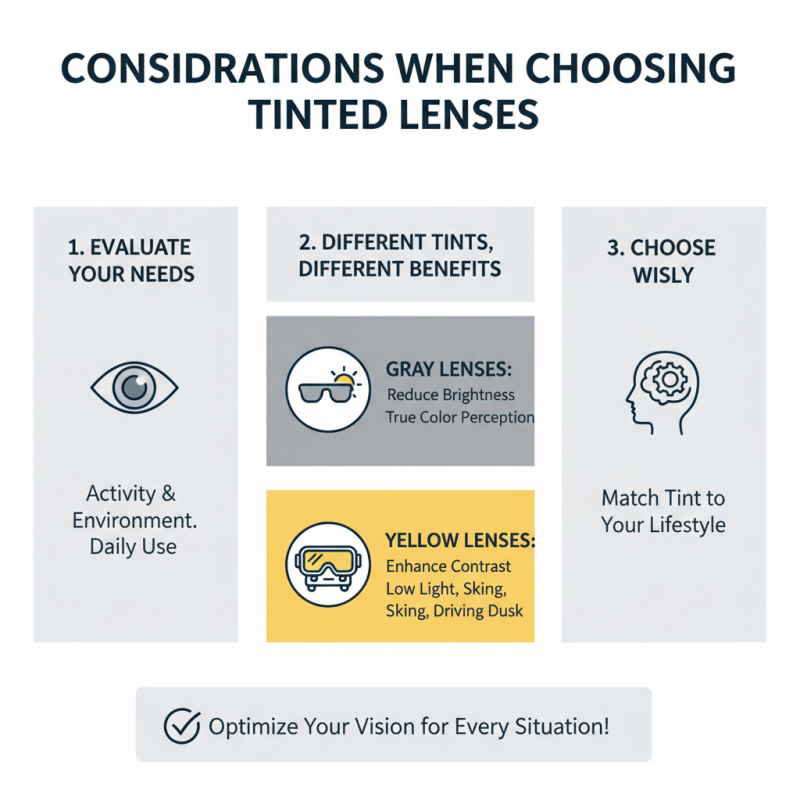
When considering tinted lenses, it’s essential to evaluate your specific needs. Different tints offer varying benefits. For example, gray lenses reduce brightness while maintaining true color perception. Yellow lenses enhance contrast in low-light conditions, which can be beneficial for activities like skiing or driving at dusk. Choosing the right tint depends on your environment and daily activities.
Furthermore, eye health should be a top priority. Some tinted lenses can filter harmful blue light, while others offer UV protection. It’s wise to consult an eye care professional before making a decision. They can provide expert advice tailored to your vision needs. Remember, not all tints suit everyone. Personal preference and comfort are crucial.
Also, consider the lens material and coating. Prescription lenses may come in various materials, each affecting durability and weight. A heavier lens might be uncomfortable for prolonged wear. Anti-reflective coatings can enhance clarity. However, these may require extra care to keep clean. Reflect on your lifestyle and how the lenses will fit into it. Making an informed choice can greatly enhance your vision experience.