Uncoated Lens Benefits for Global Buyers in 2026
In the rapidly evolving optics industry, the demand for Uncoated Lens is on the rise. Experts are taking notice of its unique advantages. Dr. Lisa Wang, a leading authority in optical technology, states, "Uncoated Lenses provide unparalleled clarity, allowing light to pass through without interference." This perspective highlights a growing trend among global buyers as they seek high-quality optical solutions.
The allure of Uncoated Lenses lies in their simplicity and effectiveness. Without coatings, these lenses avoid complications like glare and reflections. They cater to specific applications where optical purity is paramount. As buyers navigate choices in 2026, understanding the benefits of Uncoated Lenses becomes crucial. However, some may question their durability in contrast to coated options.
Ultimately, while many consumers embrace the benefits, it's important to weigh both pros and cons. The industry must reflect on the balance between performance and practicality. Uncoated Lenses hold significant potential, but buyers need to fully comprehend their limitations. Making informed decisions will ensure the optimal use of these lenses in various applications.

Benefits of Uncoated Lenses for Global Buyers in 2026
In 2026, uncoated lenses will present unique advantages for global buyers. These lenses are less prone to glare under certain lighting conditions. They provide excellent clarity, making colors appear more vibrant. Customers may find them ideal for various environmental settings. The absence of coatings often leads to reduced reflections. This can enhance the overall visual experience.
Cost is another factor. Uncoated lenses tend to be more affordable. This could appeal to budget-conscious consumers. However, it is essential to consider the potential downsides. Without protective coatings, these lenses may scratch more easily. Buyers should weigh durability against clarity.
Sustainability also plays a role in the decision-making process. Uncoated lenses are often more environmentally friendly. As brands pivot towards sustainable practices, this trend could resonate significantly. It's crucial for buyers to research materials and fabrication methods. Understanding these elements helps in making informed choices.
Uncoated Lens Benefits for Global Buyers in 2026
| Benefit |
Description |
Target Market |
Projected Demand (Units) |
| Cost Efficiency |
Uncoated lenses are generally less expensive to produce, leading to lower retail prices. |
Budget-conscious consumers and retail buyers. |
10 million |
| Weight Reduction |
Lighter lenses provide more comfort for extended wear. |
Athletes and active individuals. |
5 million |
| Customization Options |
Uncoated lenses can be more easily customized to fit individual needs. |
Optometrists and personalized eyewear manufacturers. |
8 million |
| Environmental Impact |
Less coating means fewer chemicals and reduced environmental burden. |
Eco-conscious buyers. |
4 million |
| Easier Repairs |
Uncoated lenses can be easier to polish and repair if scratched. |
Repair service providers and consumers seeking long-lasting solutions. |
3 million |
Market Demand Trends for Uncoated Lenses Worldwide
The global demand for uncoated lenses is on the rise in 2026. More buyers are recognizing the unique advantages these lenses offer. Uncoated lenses provide a level of visual clarity that many find appealing. They are often preferred for their simplicity and ease of maintenance. In areas with low-light conditions, uncoated lenses can enhance light transmission.
Market trends indicate a shift towards natural optics. Photographers and artists tend to favor uncoated options for their aesthetic qualities. There’s an increasing interest in how these lenses can create authentic images. However, they require more careful handling. Scratches and dirt can diminish their performance. Proper cleaning techniques become essential.
Buyers are also responding to economic pressures. Uncoated lenses typically cost less than coated varieties. This price point makes them more accessible for individuals and businesses. Despite potential drawbacks, many are eager to explore this market. The balance between cost and quality is crucial for decision-making. As buyers weigh their options, they must consider both short-term and long-term value.
Uncoated Lens Market Demand Trends Worldwide (2026)
Cost-Effectiveness of Uncoated Lenses Compared to Coated Options
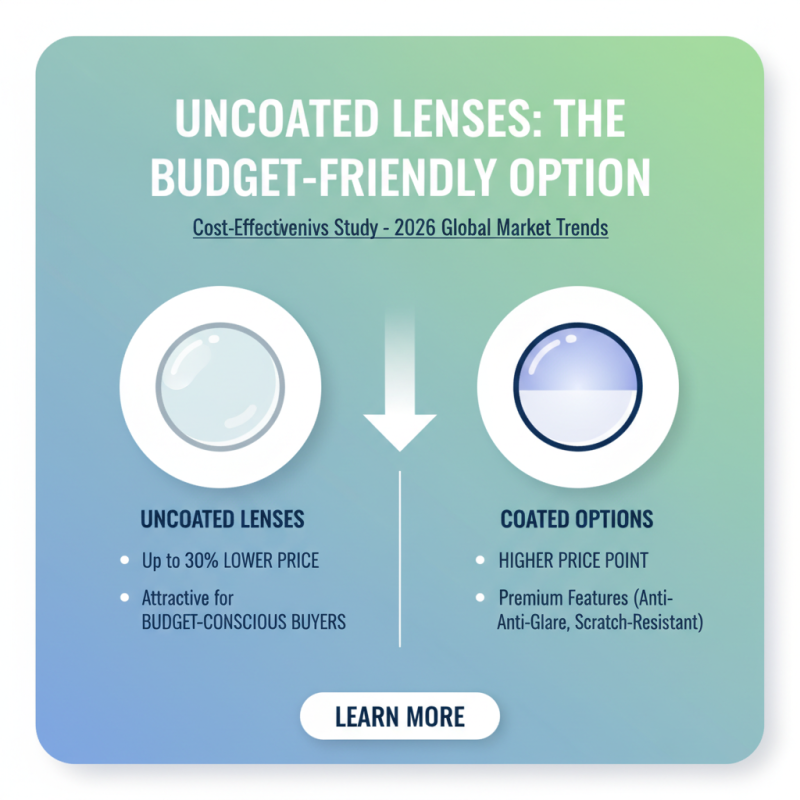
The market for uncoated lenses is gaining traction among global buyers in 2026. A recent study reveals that these lenses are often more cost-effective than coated options. For instance, uncoated lenses can be priced up to 30% lower than their coated counterparts, making them an attractive choice for budget-conscious consumers.
However, cost is not the only consideration. Uncoated lenses can also offer significant advantages in terms of weight and optical clarity. Many professionals note that coating may affect light transmission, potentially influencing visual quality. According to industry research from the Optical Society, uncoated lenses can maintain higher light levels in specific conditions, providing clearer vision in dim environments.
Despite these benefits, challenges remain. Uncoated lenses may be more prone to scratches, which can lead to higher replacement rates. Consumers should weigh this durability issue against the savings on initial costs. Buyers should reflect on their specific needs and environments before making a final decision. Engaging with industry insights can lead to a more informed choice that balances cost and performance effectively.
Applications of Uncoated Lenses in Various Industries
Uncoated lenses are gaining traction across various industries, showcasing their versatility and cost-effectiveness. In the optical sector, these lenses are favored for their lightweight properties and reduced glare. According to a recent industry report, the uncoated lens market is projected to grow by 12% annually, reflecting a rise in user demand for simpler, cost-efficient options.
In the automotive industry, uncoated lenses are utilized in dashboard displays. Their transparency allows for clear visibility without additional coatings. This feature can reduce production costs significantly. The healthcare sector also benefits, as these lenses are part of medical imaging systems. Their uncomplicated design helps in delivering precise images without interference.
Tip: Always consider the specific application before selecting lenses. Not all environments require advanced coatings.
Uncoated lenses do have limitations. Their susceptibility to scratches can be a concern. Regular maintenance is essential to prolong their lifespan. The decision to use uncoated options should consider both budget and performance needs. Buyers must weigh the benefits carefully.
Future Innovations in Uncoated Lens Technology for Buyers
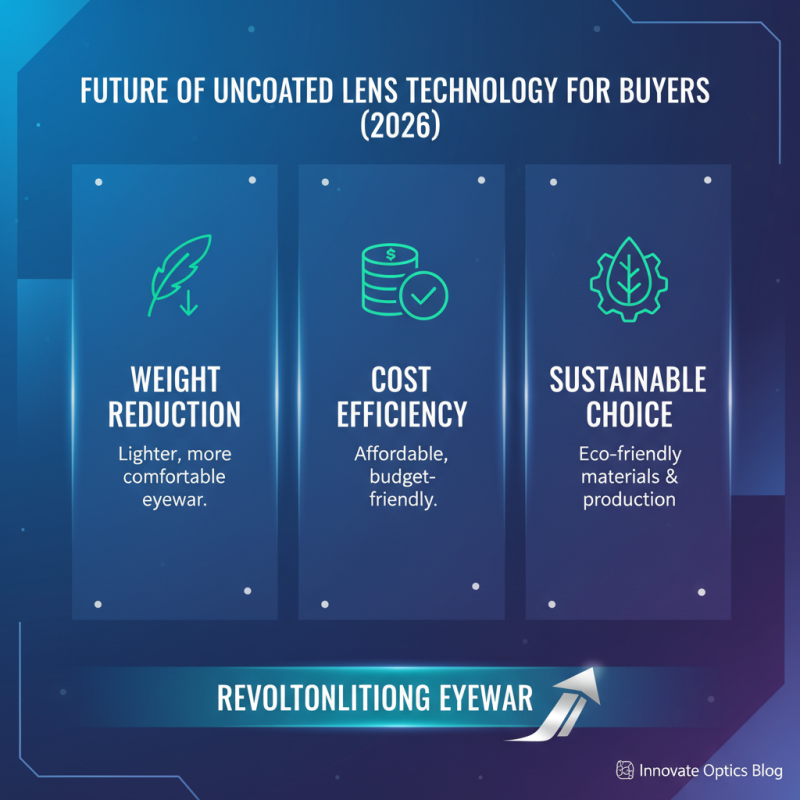
Uncoated lenses are set to revolutionize the market for buyers in 2026. These innovative products promise a variety of benefits, particularly in weight reduction and cost efficiency. As consumers seek more sustainable and budget-friendly options, uncoated lenses offer a compelling alternative.
Future advancements in lens technology aim to enhance durability and visual clarity. New manufacturing techniques may allow for increased resistance to scratches and environmental factors. This is crucial, especially for those living in harsh climates. These changes are expected to address some common issues faced by users, like reflections and glare.
**Tips:** Consider what you need most. Is weight a priority? How about visibility in different lighting? These factors will help you make a more informed choice. Remember, not all innovations will meet every user's needs. Identify your priorities before purchasing. Keep an eye on advancements, as tech will continuously evolve.