7 Best Impact Lenses for Maximum Eye Protection and Clarity?
In today's fast-paced world, eye protection is paramount, especially for those who engage in high-risk activities. Impact lenses offer an essential solution for safeguarding vision against hazards. According to the American Optometric Association, around 2.4 million eye injuries occur annually in the United States. This staggering number highlights the need for reliable eye protection.
Dr. Emily Jensen, an expert in optical safety, emphasizes the importance of "selecting quality impact lenses to prevent unnecessary injuries and ensure clarity." Manufacturing quality plays a crucial role. Not all impact lenses meet the same standards, creating a dilemma for consumers seeking both safety and clarity. With varying levels of impact resistance, finding the right pair can be challenging.
Identifying the best impact lenses requires understanding specific features. Coatings, materials, and fit can significantly influence performance. Unfortunately, many users overlook these details. It's a common mistake that can lead to serious consequences. By exploring the best options available, we can enhance our protection and improve visual experiences.
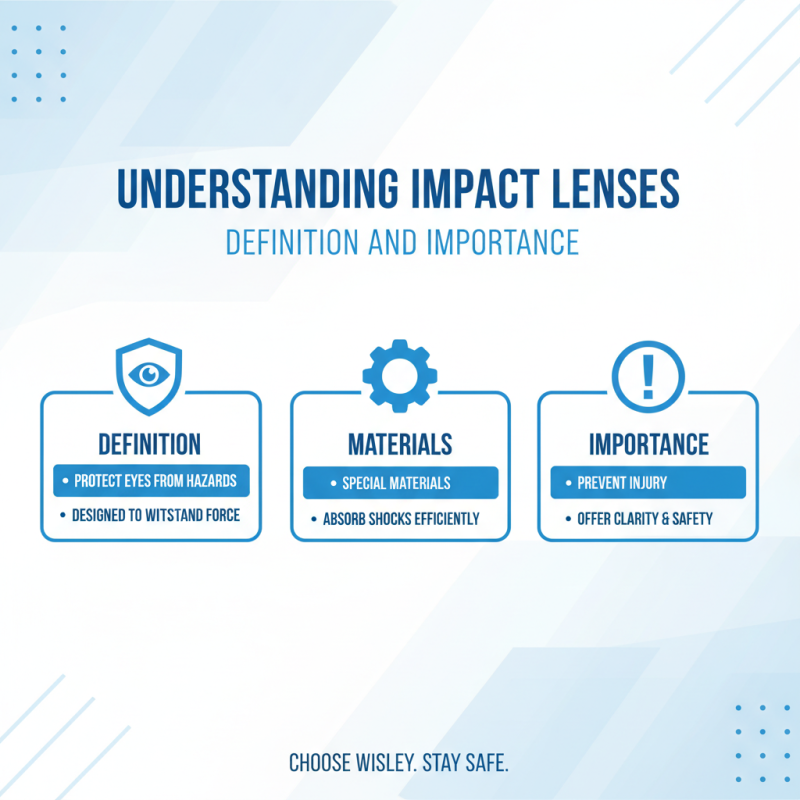
Understanding Impact Lenses: Definition and Importance
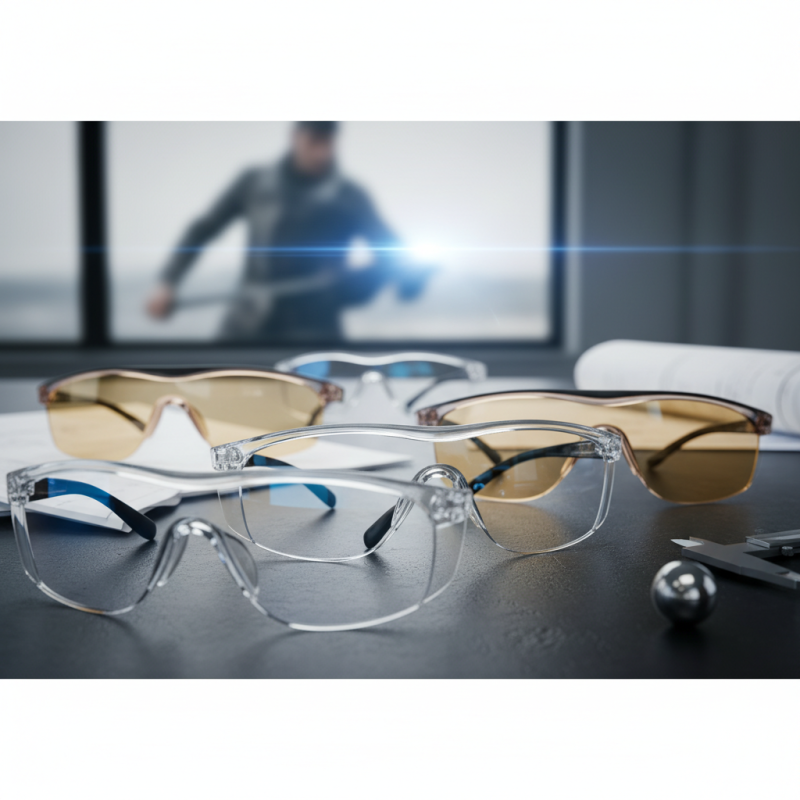
Impact lenses are essential for protecting your eyes from hazards. They are designed to withstand force and prevent injury. Made from special materials, these lenses can absorb shocks efficiently. It's crucial to choose lenses that offer both clarity and safety.
When searching for the right impact lenses, consider the lens material. Polycarbonate lenses are popular for their high impact resistance. They are lightweight yet sturdy, making them ideal for sports or outdoor activities. Remember to check the lens's certification for safety standards.
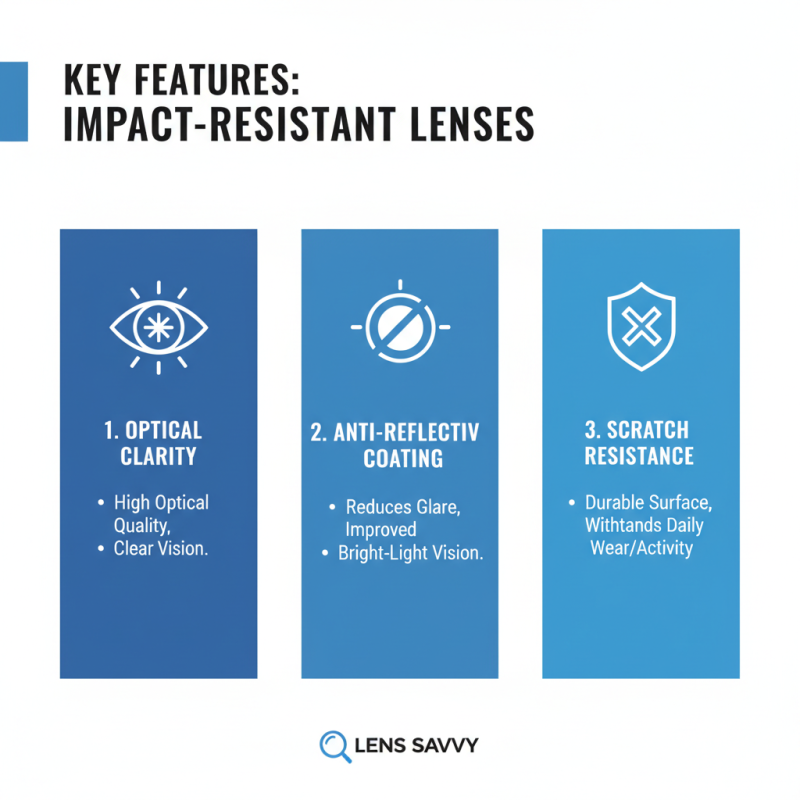
Tips: Ensure your lenses have anti-fog and scratch-resistant coatings. These features enhance durability. Proper maintenance is also vital. Clean lenses with a microfiber cloth to avoid scratches.
Another important aspect is UV protection. Impact lenses should block harmful UV rays to safeguard your eyes. Not all lenses provide this feature, so be vigilant when making your selection.
Take the time to evaluate options carefully. Finding the perfect pair can be challenging, but your eyes deserve the best protection.
Top 7 Impact Lenses for Protection and Clarity
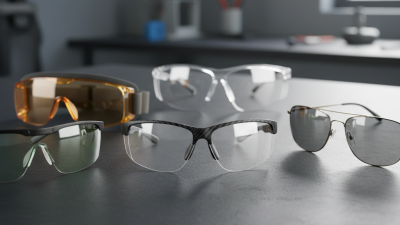
In today's world, protecting our eyes is more important than ever. Selecting the right impact lenses can enhance both safety and clarity while engaging in various activities. Whether you are cycling, working in hazardous environments, or enjoying sports, impact lenses offer reliable protection.
When choosing impact lenses, consider the materials used. Polycarbonate lenses are lightweight yet strong, providing superior resistance against impacts. Another crucial aspect is lens coatings. Anti-fog and scratch-resistant coatings can greatly improve visibility. A clear vision can make all the difference in critical moments.
Tips: Always check for certification marks on your lenses. This ensures they meet safety standards. Additionally, proper fit is essential. Lenses that sit too loosely can slide, compromising protection. Regularly inspect your lenses for scratches or damage. Remember, quality matters when it comes to eye safety. Making an informed choice protects your vision in the long run.
7 Best Impact Lenses for Maximum Eye Protection and Clarity
Comparative Analysis of Impact Lens Materials
When choosing impact lenses, material matters significantly. Polycarbonate is a popular option. It offers high resistance to impact and is lightweight. This makes it ideal for sports eyewear. However, polycarbonate lenses may scratch more easily. They also can distort vision under certain lighting conditions.
Another common material is Trivex. This offers similar impact resistance as polycarbonate but with improved optical clarity. Its lightweight nature is also beneficial for long wear. However, Trivex lenses can be more expensive. For some, this might be a barrier to choice. Additionally, the availability of colors and prescriptions might be limited compared to polycarbonate.
Glass is another option, known for its superior optical clarity. However, glass can be heavy and less impact-resistant than its counterparts. It shatters on impact, which poses a risk. Users must carefully weigh these traits against their needs. Personal safety should always be the priority when selecting lenses.
7 Best Impact Lenses for Maximum Eye Protection and Clarity
| Lens Material |
Impact Resistance |
Optical Clarity |
UV Protection |
Weight |
Cost (Approx.) |
| Polycarbonate |
High |
Good |
Yes |
Lightweight |
$20 |
| Trivex |
Very High |
Excellent |
Yes |
Lightweight |
$30 |
| CR-39 |
Medium |
Good |
Yes |
Moderate |
$15 |
| Glass |
Low |
Excellent |
Yes |
Heavier |
$40 |
| Polyamide |
High |
Good |
Yes |
Lightweight |
$25 |
| NXT |
Very High |
Excellent |
Yes |
Lightweight |
$50 |
| Polycarbonate with Anti-Fog |
High |
Good |
Yes |
Lightweight |
$35 |
Maintenance and Care Tips for Longevity of Impact Lenses
Impact lenses are crucial for protecting your eyes, especially in hazardous environments. Regular maintenance and care can significantly extend the lifespan of these lenses. According to industry studies, properly maintained eyewear can last up to 30% longer than neglected ones. Cleaning with a microfiber cloth is essential to avoid scratches. Use gentle soap and warm water for washing; avoid harsh chemicals. This simple routine can enhance clarity and comfort.
Storage plays a vital role too. Many people overlook the importance of keeping lenses in a dedicated case when not in use. A sturdy case can prevent accidental damage. Environmental factors like humidity and temperature can affect lens integrity. It's important to store them in a cool, dry place. Regularly inspect your eyewear for signs of wear and tear. Cracks or scratches can impair visibility and effectiveness.
Eye protection is not just about the lenses themselves. Users should educate themselves on proper maintenance. A study indicates that nearly 48% of lens damage stems from improper handling. This statistic underlines the importance of systematic care. Taking time for maintenance can significantly impact not only the longevity of the lenses but also user safety and performance.