Best Blue Filter Lens for Photography and Video Shooting?
Choosing the right Blue Filter Lens can significantly enhance your photography and video shooting experience. Experts in the field emphasize the importance of color correction. Renowned photographer John Smith states, "A quality Blue Filter Lens can transform ordinary shots into stunning visuals."
Light plays a crucial role in photography and videography. A Blue Filter Lens helps balance colors, especially in outdoor settings. It can deepen the sky's blue, bringing depth to landscapes. However, not all lenses are created equal. Some may introduce unwanted color casts, which can detract from the image quality.
Finding a suitable Blue Filter Lens requires understanding your specific needs. Consider factors like lens size, optical quality, and brand reputation. Investing in a reliable filter can yield long-lasting benefits. However, even the best filters may not produce perfect results every time. Experimentation is key. A thoughtful approach can lead to remarkable improvements in your work.
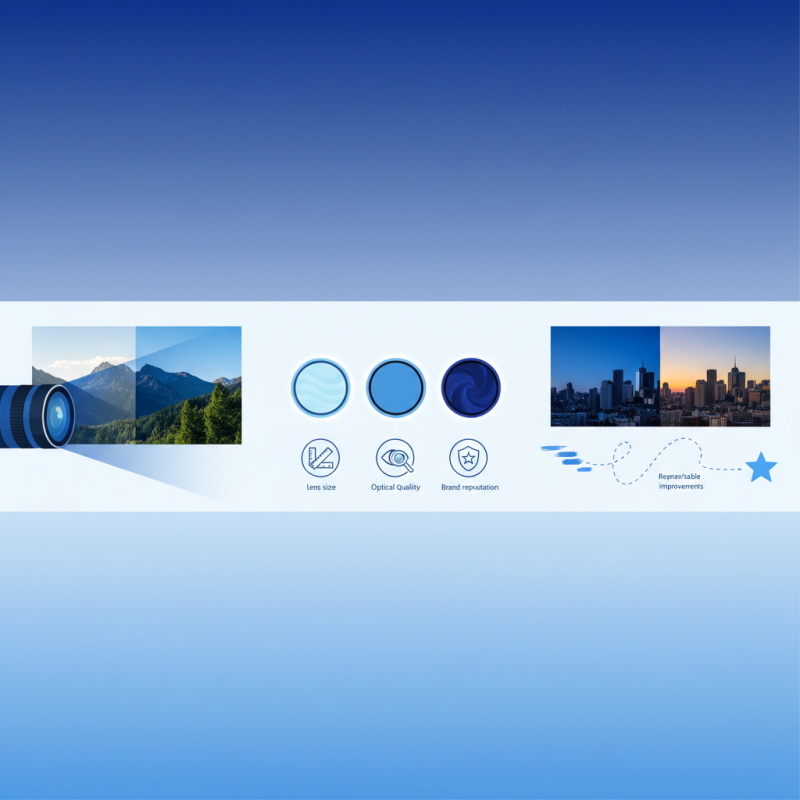
Understanding Blue Filter Lenses: An Overview for Photographers
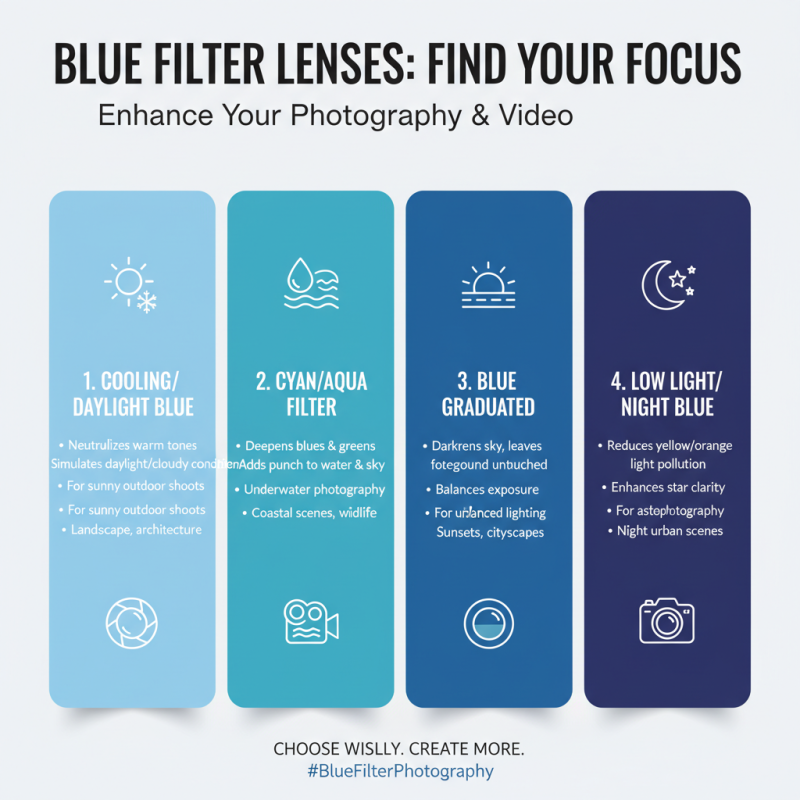
Blue filter lenses are popular in photography and videography. These filters enhance the blue hues in images. They can add a unique touch to landscape photography. When used correctly, they create a stunning contrast. This can make the sky appear more vibrant. Understanding their characteristics is essential for great results.
Tips for choosing a blue filter: Consider your lighting conditions. The intensity of blue in your scene matters. In bright sunlight, a blue filter can enhance the beauty of skies. In low light, it can create a more atmospheric mood. Experiment with different settings to see what works best.
Another aspect to think about is the filter’s quality. Cheap filters may distort colors. This can lead to disappointing results in your images. A higher-quality filter often yields better clarity and contrast. Test various brands to find the quality that suits your style. Refine your technique continuously. Exploring different blue filters can inspire creativity.
Best Blue Filter Lens for Photography and Video Shooting
Benefits of Using Blue Filter Lenses in Photography and Videography
Using a blue filter lens can enhance your photography and videography in various ways. The primary benefit is its ability to reduce glare, especially in bright conditions. This is particularly useful when shooting landscapes or outdoor scenes. A blue filter can also add depth to your images, creating a cooler tone that highlights shadows and contrasts.
Many photographers appreciate the way blue filters can influence the mood of a shot. They can evoke feelings of tranquility and calmness. For example, a photo of a sunrise might gain a striking contrast with cooler blue hues. However, there are moments when excessive blue can alter a scene too dramatically. It might make certain colors look unnatural if overused.
Ultimately, experimenting with blue filter lenses is vital. Each setting and subject might respond differently. Finding the right balance takes time. While blue filters can enhance your work, careful consideration is necessary. An unmeasured approach can lead to results that may not reflect your vision. Embrace the learning curve; it's part of the process.
Factors to Consider When Selecting a Blue Filter Lens
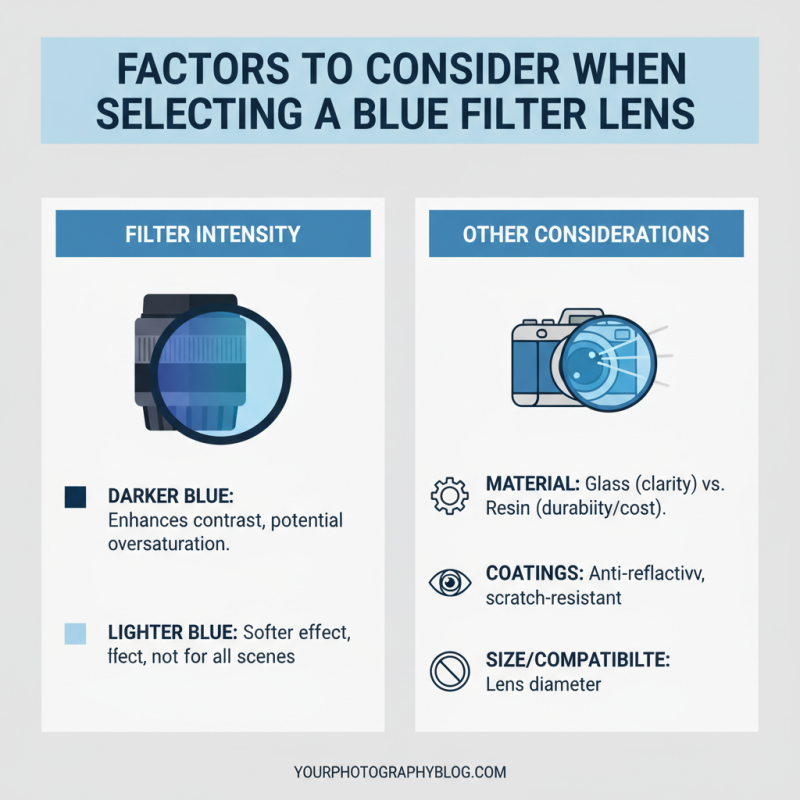
When selecting a blue filter lens, several factors come into play. First, consider the filter’s intensity. Different shades of blue filters can produce varying effects on colors in your photography or video. A darker blue can enhance contrast but might over-saturate. A lighter blue provides a softer effect, which may not be suitable for all scenes.
Next, the quality of the filter is paramount. Look for lenses that are made from optical glass. This material prevents distortion and ensures clarity. Cheap filters may introduce unwanted artifacts or reduce the quality of your images. Additionally, think about the filter's size. It must fit your lens securely to avoid light leaks.
Finally, think about your shooting conditions. A blue filter can enhance the sky during daylight but may underperform in low-light settings. Understanding this limitation is crucial. Experience teaches that not every filter suits every situation. Test different options to learn what works best for your style. Such experimentation can push your creative boundaries.
Top Recommendations for Blue Filter Lenses in the Market Today
When it comes to photography and video shooting, blue filter lenses play a crucial role in managing light and enhancing specific colors.
These filters can help achieve a cooler tone, reduce haze, and improve contrast in images.
According to industry reports, the use of color filters in photography can increase color fidelity by up to 35%.
This statistic underscores the importance of investing in a quality blue filter lens.
Selecting a blue filter lens requires some expertise. Look for options that offer a balanced blue tone without overwhelming other colors.
It’s also essential to consider the lens coatings, as multi-coated options can minimize glare and enhance image clarity.
Keep in mind that overusing filters can lead to unexpected results, such as color imbalances.
It’s crucial to test your filter in various lighting conditions to ensure it meets your creative vision.
Tips: Always carry a gray card for accurate color calibration. This tool helps maintain color integrity when using any filter.
When experimenting, shoot in RAW format to retain details for post-processing.
Lastly, review your images critically. Some filters can introduce unwanted artifacts or flares. Constant experimentation will lead to better control and understanding of your tools.