Top Benefits of Plastic Lens for Eyewear and Photography Filters?
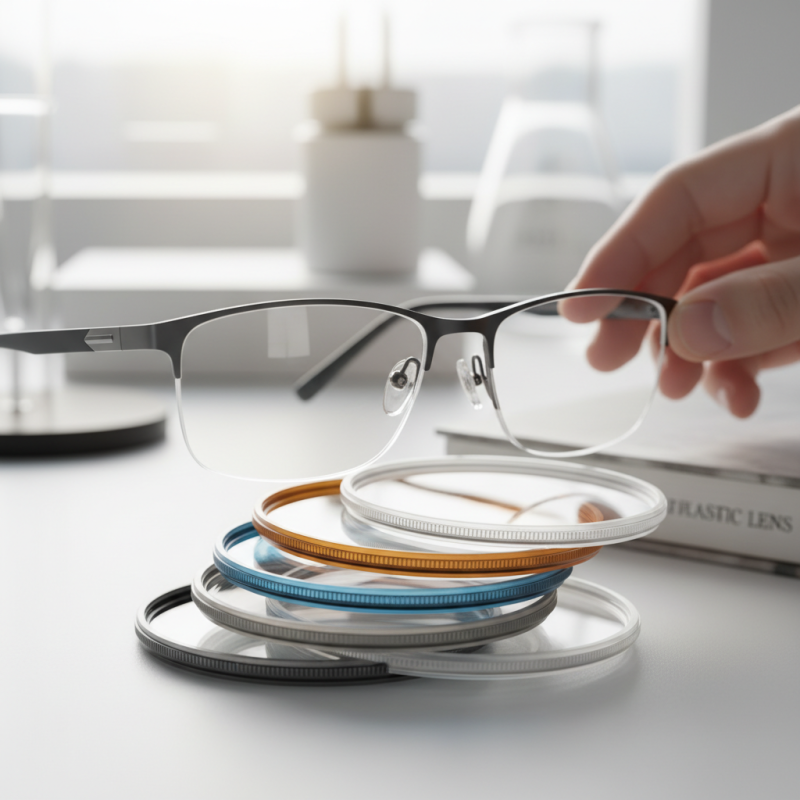
In the world of eyewear and photography, "Plastic Lens" technology stands out. Expert Dr. Jane Carter, a renowned optician, once said, "Plastic lenses revolutionize how we see the world." This transformation is more than just aesthetic; it aligns with functionality and comfort.
Plastic lenses offer remarkable benefits. They are lightweight, making them ideal for everyday wear. Photographers appreciate their versatility. However, not all plastic lenses are created equal. Some may scratch easily, requiring careful handling. Moreover, the optical clarity can vary, raising questions about quality and performance.
Understanding these factors is essential for consumers. While plastic lenses are affordable, ensuring durability and clarity is crucial. The choices in the market can be overwhelming, and a poorly made lens can compromise vision. Striking the right balance between affordability and quality is a challenge.
Advantages of Plastic Lenses in Eyewear
Plastic lenses have become a popular choice for eyewear due to their numerous benefits. They are significantly lighter than glass lenses, making them more comfortable for extended wear. This weight advantage is particularly noticeable when wearing glasses all day. Additionally, plastic lenses offer greater impact resistance, making them a safer option for active lifestyles. They are less likely to shatter when dropped, reducing the risk of injury.
Another advantage of plastic lenses is their ability to provide UV protection. Many plastic lenses come with built-in UV filters, which help shield your eyes from harmful rays. This feature is essential for maintaining eye health, especially for those who spend time outdoors. In terms of customization, plastic lenses can easily be tinted or coated. This flexibility allows for various styles, from fashion statements to functional enhancements.
However, there are some considerations to keep in mind. Plastic lenses can scratch more easily than glass, which might affect long-term clarity. Regular cleaning and proper storage can mitigate this issue, but it requires diligence. Additionally, those with strong prescriptions may find that glass offers better optical clarity. Understanding these nuances helps consumers make informed decisions based on their specific needs.
Lightweight and Comfort Benefits of Plastic Lens
Plastic lenses offer significant advantages in eyewear and photography filters. One major benefit is their lightweight nature. Compared to glass lenses, plastic ones are much lighter. This can make a big difference during long photo shoots or while wearing glasses all day. Lighter lenses mean less strain on your nose and ears.
Comfort is another crucial benefit. Plastic lenses are easier to handle. They can be made thinner while still providing excellent vision correction. Users often find them more comfortable for prolonged use. However, some may notice they scratch more easily than glass. Taking extra care can help mitigate this issue.
Overall, the appeal of plastic lenses lies in their combination of lightness and comfort. They adapt well to various frames and can enhance the overall aesthetic. Despite some drawbacks, many find the comfort level worth it. Those who prioritize long-term wear often lean towards plastic lenses.
Durability and Impact Resistance of Plastic Lenses
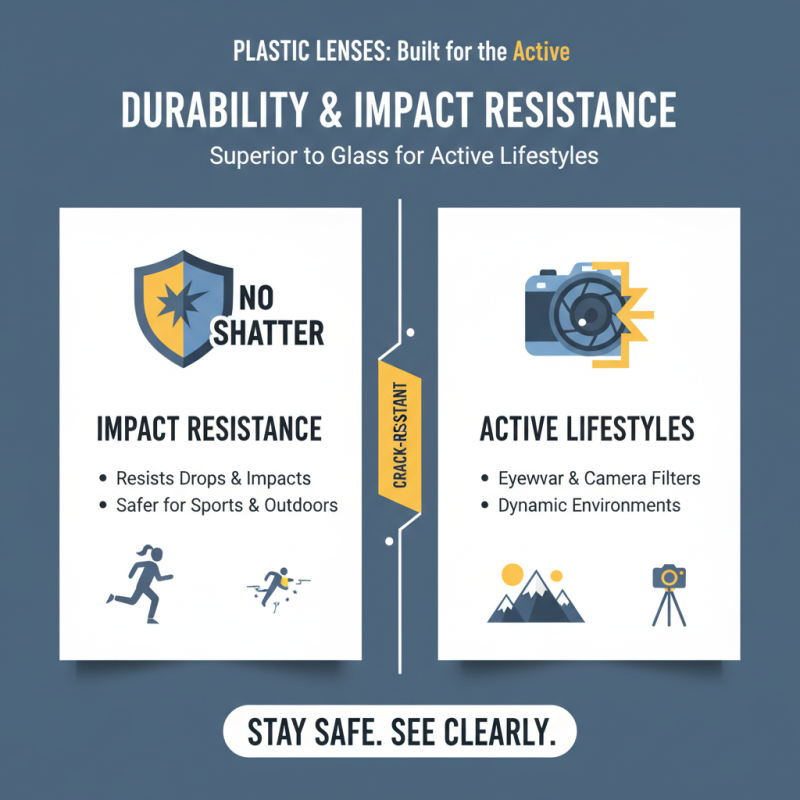
When it comes to eyewear and photography filters, plastic lenses stand out for their durability. These lenses resist impact much better than glass. This quality is crucial for those who lead active lifestyles or work in dynamic environments. Whether you are shooting outdoors or engaging in sports, the safety that comes with plastic lenses cannot be underestimated.
Tips: Always inspect your lenses for scratches. Even minor damage can affect performance. When choosing lenses, consider the environment. For instance, a bright, sunny day requires different protective features compared to overcast conditions.
Plastic lenses are also lightweight, enhancing comfort for everyday wear. However, they may not be as scratch-resistant as glass. Regular care is essential. A simple microfiber cloth can extend their life. Be cautious with cleaning products; harsh chemicals can damage the coatings. Remember, while plastic lenses are dependable, they need maintenance to uphold their quality.
Optical Clarity and Color Accuracy in Photography Filters
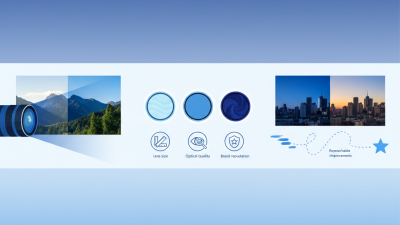
Optical clarity is essential for any photographer. This clarity allows for accurate color representation and sharp images. Plastic lenses have unique properties that contribute to this goal. They can minimize distortion and avoid color shifts common in other materials. These lenses ensure that colors remain vivid and true to life, which is vital during editing.
In the realm of photography filters, using plastic lenses can improve light transmission. They are lighter compared to glass, making them easier to handle in various shooting conditions. However, it's crucial to be aware that not all plastic lenses are created equal. While some provide excellent performance, others may show signs of degradation over time. Scratches and abrasions can affect optical quality and color accuracy.
Choosing the right plastic lens requires careful consideration. Researching materials, understanding specifications, and reading reviews can guide photographers in making informed decisions. It's important to seek lenses that offer a balance between durability and performance. This balance will lead to enhanced photographic experiences and results.
Cost-Effectiveness of Plastic Lenses Compared to Glass
Plastic lenses have gained popularity for eyewear and photography filters due to their cost-effectiveness. Compared to traditional glass lenses, plastic lenses offer significant savings without compromising quality. In many cases, they are lighter and more comfortable for long wear. This can be particularly advantageous for photographers who may carry multiple filters.
The production of plastic lenses is generally less expensive than glass. They can be molded into intricate shapes, delivering greater design flexibility. This aspect allows for innovative features, such as UV protection and scratch resistance, while still keeping costs low. However, the durability of plastic compared to glass can vary, leading to potential concerns about lifespan and performance under rigorous conditions.
While plastic lenses present an affordable option, some users may find they chip or scratch more easily than glass. It's essential to weigh these factors while considering your specific needs. Plastic lenses can provide great value, especially for casual use, but for pro-level photography or long-term eyewear, careful consideration is necessary.