How to Choose the Right Driver Lens for Optimal Vision on the Road?
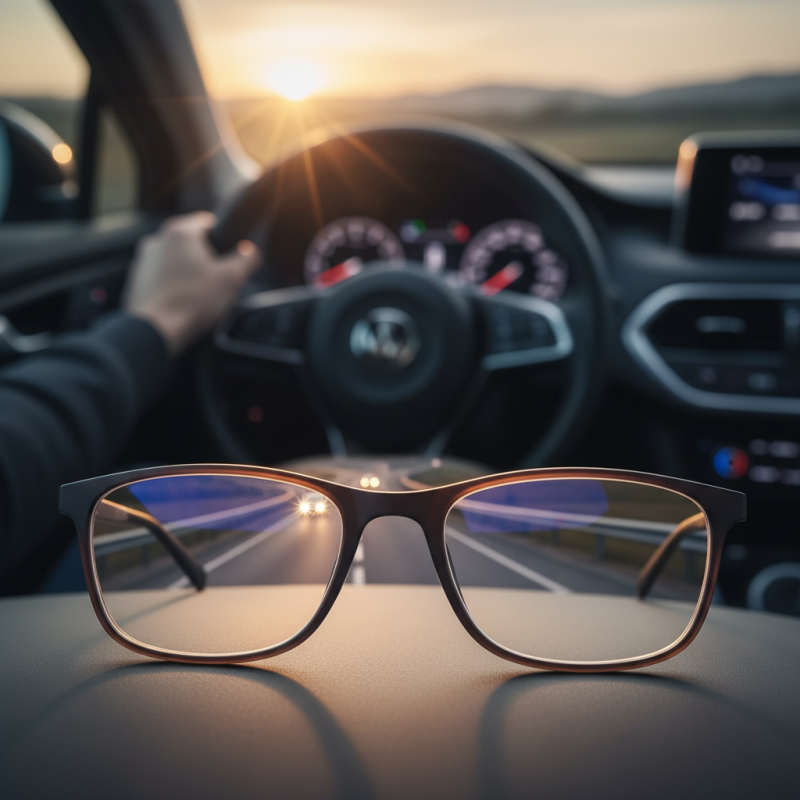
Choosing the right Driver Lens is crucial for safe driving. With various options available, it can be overwhelming. Industry expert Dr. Sarah Lane, a vision care specialist, emphasizes, "A well-chosen Driver Lens can enhance clarity and reduce eye strain." Drivers should prioritize lenses that cater to their unique needs.
Visibility is not just about prescription strength. Factors like lens tint, anti-reflective coating, and UV protection matter. High-quality Driver Lenses will improve contrast during daylight and reduce glare from headlights at night. Many drivers overlook these aspects, resulting in unnecessary discomfort.
It's essential to reflect on your driving habits. Do you drive mostly at night or during the day? Is glare an issue for you? Identifying your requirements will lead to more informed choices. Ultimately, a suitable Driver Lens can elevate your driving experience and enhance safety on the road.
Understanding the Importance of Driver Lens in Road Safety
When choosing driver lenses, road safety is crucial. The right lens can significantly enhance a driver’s vision. According to the National Highway Traffic Safety Administration, many accidents occur due to poor visibility. Inadequate vision can be life-threatening, making it essential to invest in quality lenses.
Tips: Look for lenses that reduce glare from headlights. Polarized lenses can help in this situation. They minimize reflections, allowing better clarity on the road. Additionally, consider photochromatic lenses. They adjust to light conditions automatically, enhancing visibility.
The color of lenses can also impact road safety. Grey lenses reduce overall brightness without distorting colors. Brown lenses enhance contrast, which is beneficial during rainy conditions. A study by the Vision Council indicated that nearly 75% of drivers experience glare during nighttime driving. This shows the importance of selecting the right lens.
Lastly, always ensure your lenses are scratch-resistant. Even minor scratches can hinder vision. Regularly check your lenses for wear and replace them as needed. Safe driving starts with clear vision. Remember, your safety relies on what you see. Choosing the right driver lens is not just a preference; it's a necessity for every driver.
Types of Lens Materials and Their Impact on Visibility
When selecting the right driver lens, material choice plays a crucial role. Polycarbonate lenses are lightweight and impact-resistant, making them ideal for daily driving. They offer excellent protection against potential road debris. However, they can scratch more easily than other materials without proper care.
Glass lenses are known for their superior optical clarity. Drivers may appreciate the visual sharpness for long-distance sight. Yet, they are heavier and can shatter upon impact. This could lead to serious injuries.
Acrylic lenses are another option, offering a balance between weight and clarity. They do not provide the same level of UV protection as polycarbonate and glass lenses. This can affect long-term eye health. It’s important to weigh these factors. The right choice depends on individual needs and driving habits. Each lens material has its strengths and weaknesses. Choosing the appropriate driver lens material can significantly enhance your driving experience.
How to Choose the Right Driver Lens for Optimal Vision on the Road? - Types of Lens Materials and Their Impact on Visibility
| Lens Material |
Impact on Visibility |
Durability |
Weight |
| Polycarbonate |
Excellent clarity and UV protection |
Highly durable and impact-resistant |
Lightweight |
| Glass |
Excellent optical clarity |
High scratch resistance but can shatter |
Heavier than other materials |
| CR-39 |
Good clarity, slightly less than glass |
Moderately durable but prone to scratches |
Lightweight |
| Trivex |
Superior visual acuity and lightweight |
Excellent impact resistance |
Very lightweight |
Choosing the Right Lens Tint for Different Weather Conditions
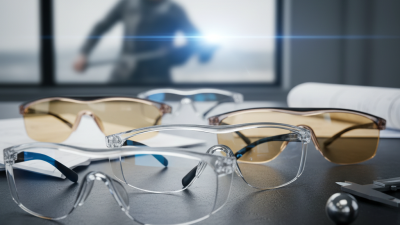
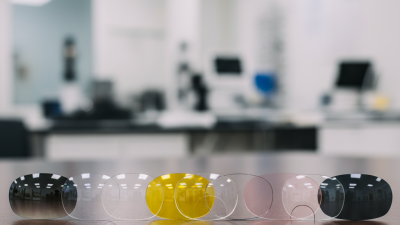
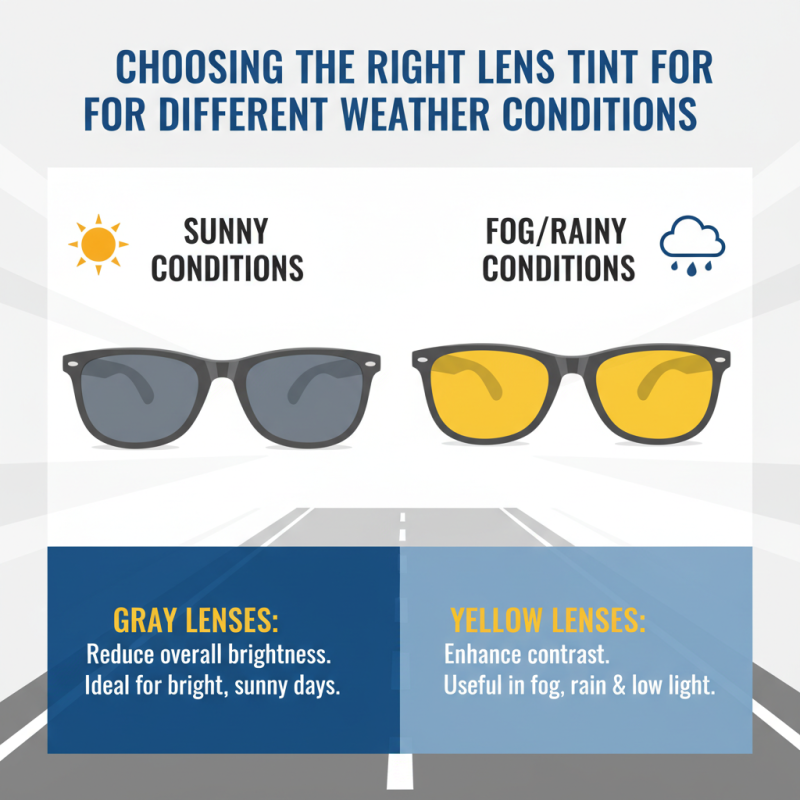
Choosing the right lens tint is vital for optimizing road vision. Different weather conditions can greatly impact your driving experience. For instance, gray lenses reduce overall brightness. They work well in sunny conditions. Conversely, yellow tints enhance contrast in fog or low-light settings, making them useful during rainy days.
Be mindful of the fact that cloudy weather can distort colors. A light amber or rose tint can improve depth perception in these conditions. According to a study by the American Optometric Association, nearly 75% of accidents occur in adverse weather. Choosing the right tint can make a difference in safety.
Tips:
Consider transitioning lenses, which adapt to changing light. They provide versatility without needing to switch glasses. Also, keep in mind that polarized lenses cut glare, enhancing visibility on shiny surfaces. Some drivers overlook this feature, not realizing its importance.
Inevitably, personal preferences play a role. You may find your comfort level with color tints fluctuates. Test different options in real-world scenarios to gauge what helps you best. Your vision is essential; refine your choices accordingly.
Key Features to Look for in Prescription or Non-Prescription Lenses
Choosing the right driver lens is crucial for safe driving. When selecting lenses, consider several key features. Eye strain can occur with poor quality lenses, leading to distractions on the road.
Ensure that your lenses provide clarity in both bright and low light. This adaptability helps reduce glare, a common issue for drivers, especially at sunset.
Another important factor is lens material. Polycarbonate lenses are lightweight and impact-resistant, making them ideal for driving. Those with prescriptions should ensure their lenses offer
distortion-free vision. Distortion can compromise your perception of speed and distance, critical for driving.
Scratch resistance is another key feature. A single scratch can significantly reduce visibility.
Don't overlook the importance of UV protection. Long hours on the road expose drivers to harmful rays. Lenses with UV coatings can prevent damage to your eyes.
Consider lens tint as well, which can enhance contrast on cloudy days. Remember, not all tints work for every driver;
find what suits you best. Experimentation may lead to better vision and comfort.
Maintaining Your Driver Lens for Optimal Performance and Durability
Maintaining your driver lens is essential for optimal performance and longevity. Regular cleaning is a must. Use a microfiber cloth to remove dust and smudges. Avoid paper products; they may scratch the lens. Ensure that the lens is moisture-free before putting them away. This step can prevent mold buildup, which is a common issue.
Consider the storage of your driver lens. Use a protective case when not in use. Exposure to heat can warp the lens. For instance, leaving them in a hot car is a risky move. Check your lens regularly for scratches or cracks. Small damages may lead to reduced visibility.
Adjustments may be necessary over time. Ensure that your driver lens fits snugly without discomfort. An ill-fitting lens can affect your concentration and comfort while driving. Remember, your safety on the road is primary. Make replacements as needed to keep your vision clear. This is not just about the present; it's an investment in your future safety.