10 Best Driver Lens Options for Optimal Vision on the Road?
When it comes to road safety, the right Driver Lens can make a significant difference. Renowned optical expert Dr. Emily Carter emphasizes, "Choosing the optimal Driver Lens improves not only vision but also confidence behind the wheel." With various options available, drivers must navigate the choices carefully.
Driver Lenses come in different styles and features, catering to various needs. Polarized lenses, for instance, reduce glare from the road. This benefit enhances visibility, especially on sunny days. Anti-reflective coatings are another consideration. They can minimize distractions from incoming headlights at night. However, not every lens works for every driver. Personal preferences and specific needs matter greatly.
Many drivers overlook the importance of proper lens care. Scratched or dirty lenses can impair vision. It's easy to make mistakes, especially in daily use. Choosing the right Driver Lens involves more than just picking a brand. Thoughtful consideration of one’s driving habits, and environmental factors, informs the best lens choice. Each driver’s journey is unique. Reflecting on these choices can lead to better road experiences.
Factors to Consider When Choosing Driver Lens for Optimal Vision
Choosing the right driver lens is crucial for safety and comfort on the road. Vision impairment can drastically affect driving performance. According to the National Highway Traffic Safety Administration (NHTSA), many accidents are attributed to poor visibility. Selecting the right lens can help mitigate these risks.
Factors to consider include lens tint, material, and coatings. Different tints, such as gray or brown, can enhance contrast and reduce glare. For instance, gray lenses keep colors true to life. This can improve reaction times in various conditions. Material matters too; polycarbonate lenses are lightweight yet impact-resistant. These features are vital for drivers who spend hours on the road.
Coatings can make a significant difference. Anti-reflective coatings reduce glare from oncoming headlights. This can alleviate eye strain during long drives. A report by the American Optometric Association highlights that glare significantly contributes to nighttime accidents. Regular eye exams are also essential for maintaining optimal vision. Drivers often underestimate the importance of vision correction. Clear vision is vital; any deviation can compromise safety on the road.
10 Best Driver Lens Options for Optimal Vision on the Road
| Lens Type |
Material |
UV Protection |
Polarization |
Lens Color |
Photochromic |
Price Range |
| Single Vision |
Polycarbonate |
Yes |
No |
Grey |
No |
$100 - $150 |
| Bifocal |
Trivex |
Yes |
Yes |
Brown |
Yes |
$150 - $200 |
| Progressive |
High-index plastic |
Yes |
Yes |
Green |
Yes |
$250 - $350 |
| Photochromic |
Glass |
Yes |
No |
Amber |
Yes |
$200 - $300 |
| Transition Lenses |
Polycarbonate |
Yes |
Yes |
Grey |
Yes |
$150 - $250 |
| Blue Light Blocking |
High-index plastic |
Yes |
No |
Clear |
No |
$120 - $180 |
| Night Vision |
Polycarbonate |
Yes |
Yes |
Yellow |
No |
$130 - $220 |
| Wraparound |
Trivex |
Yes |
Yes |
Grey |
Yes |
$180 - $270 |
Top 10 Driver Lens Options for Enhanced Nighttime Driving Visibility
Driving at night presents unique challenges. Visibility can be compromised by glare from other vehicles or poor lighting conditions. To improve nighttime driving, choosing the right driver lens is crucial. These lenses enhance clarity and reduce distortion. They can significantly impact your comfort and safety on the road.
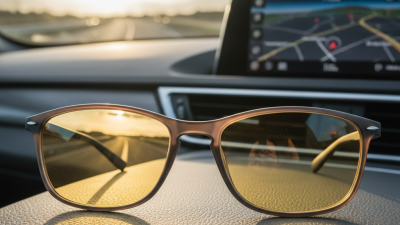
Certain lens options are designed specifically for low-light conditions. Yellow-tinted lenses filter out blue light, which is often the culprit for glare. They can also increase contrast, making it easier to spot road signs and pedestrians. Anti-reflective coatings are another feature that can improve nighttime vision. They minimize reflections and distractions. However, not every lens is suitable for every driver.
Some lenses may not perform well in extreme conditions. Testing various options can help you find the perfect match. It is essential to evaluate your driving habits. Personal experiences and advice from experienced drivers can guide your choice. Ultimately, investing in the right driver lens can make nighttime driving safer and more enjoyable.
10 Best Driver Lens Options for Optimal Vision on the Road
This bar chart displays the nighttime visibility ratings for the top 10 driver lens options. Each lens is rated on a scale from 1 to 10, with higher values indicating better visibility during nighttime driving conditions.
Best Polarized Driver Lenses for Reducing Glare on the Road
When driving, clear vision is crucial. Polarized lenses can significantly reduce glare from the sun and reflective surfaces. They filter out horizontal light waves, providing a sharper view of the road. This feature is especially helpful during long drives or in bright conditions.
Choosing the right polarized driver lenses can improve comfort. Look for lenses that block UV rays to protect your eyes. Many options come with additional coatings that enhance durability and scratch resistance. These features ensure long-lasting performance while driving.
It’s essential to consider how the lenses fit within your driving style. Some people find darker lenses more effective in bright sun. Others may prefer lighter tints for low-light conditions. Finding the perfect balance may require some experimentation. Reflect on what works best for your specific needs.
Comparative Analysis of Lens Materials for Maximum Durability and Clarity
Choosing the right driver lens material is crucial for optimal vision. Different materials offer various levels of durability and clarity. Polycarbonate lenses are popular among drivers. They are lightweight and impact-resistant. Research shows that polycarbonate lenses provide 100% UV protection. This feature is essential for long drives under sunlight, reducing glare.
Trivex lenses emerge as an alternative option. These lenses are also lightweight and impact-resistant, similar to polycarbonate. However, Trivex lenses offer better optical clarity. Studies indicate that Trivex delivers clearer vision, especially in low-light conditions. This is vital for night driving when visibility is limited.
Glass lenses remain a classic choice. They provide excellent optical quality and scratch resistance. However, they can be heavy and less impact-resistant. Drivers may experience discomfort over long periods. Additionally, glass lenses require careful handling to avoid shattering. Balancing these factors is essential for making an informed decision about lens choice. Each option has advantages and drawbacks, and careful consideration is necessary.
User Reviews: Real Experiences with the Best Driver Lens Options
When it comes to choosing the best driver lens options, user experiences provide valuable insights. Many drivers report frequent eye strain and discomfort during long hours on the road. According to a 2022 study by the Vision Council, 63% of drivers experience visual fatigue, particularly at night. This highlights the need for quality lenses that enhance clarity and reduce glare.
Real user reviews often emphasize the importance of lens coatings. In particular, anti-reflective coatings are frequently praised. Many users noted significant improvements in night driving due to reduced halos around lights. Additionally, polarized lenses received mixed reviews. While they effectively cut through glare during the daytime, some users mentioned challenges during twilight hours. The variation in user experience suggests that lenses can perform differently based on individual needs and driving conditions.
Furthermore, comfort is a recurring theme among users. An improperly fitting pair of glasses can lead to distractions. A survey by the Optical Consumer Association found that 44% of participants believe comfort is as crucial as vision clarity. Users recommend trying on various styles to find the right fit. Their stories serve as reminders that driver lens selection is personal and should be approached with care. The journey to optimal vision involves experimentation and reflection on one's unique driving habits.