2026 How to Choose the Right Transition Lens for Your Lifestyle?
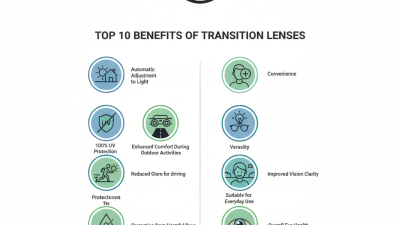
Choosing the right Transition Lens can significantly impact your daily life. Recent market research indicates that around 30% of eyewear users prefer photochromic lenses. Transition Lenses adapt to varying light conditions, providing convenience and eye protection. They help reduce glare and enhance visual comfort.
Individuals with an active lifestyle may particularly benefit from these lenses. For instance, athletes often need seamless transitions between indoor and outdoor environments. Studies show that nearly 70% of outdoor enthusiasts opt for sunglasses or photochromic options for improved performance. Transition Lenses, therefore, serve not just a functional purpose, but also cater to style and personal preference.
However, not all Transition Lenses are created equal. Different brands offer varied levels of tint and responsiveness to UV light. This variance can affect user satisfaction and might lead to frustration if expectations aren’t met. When selecting the perfect pair, it’s essential to consider individual needs and experiences. Remember, the right Transition Lens can enhance your lifestyle, but thorough research is crucial for making an informed choice.
Understanding Transition Lenses and Their Benefits for Different Lifestyles
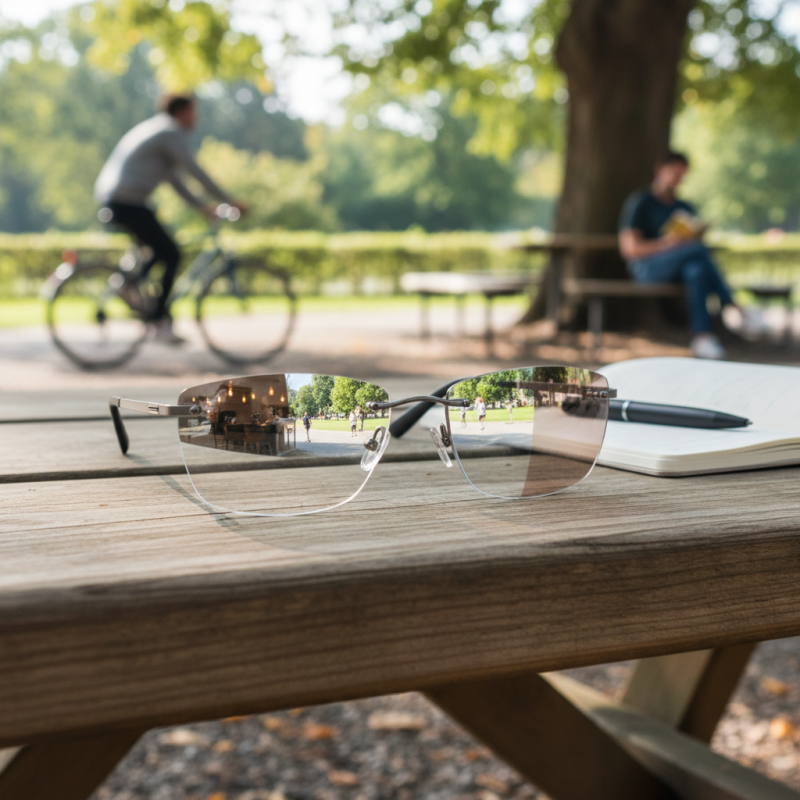
Transition lenses are a great option for those seeking versatility in their eyewear. They adjust tint in response to UV light, making them suitable for both indoor and outdoor activities. For active lifestyles, these lenses offer significant benefits. They eliminate the need to switch between regular glasses and sunglasses, reducing hassle during outings.
Understanding your daily routine is crucial when choosing transition lenses. If you spend a lot of time outdoors, look for lenses that darken quickly. Some lenses may take longer to adjust, which can be inconvenient for certain activities. Moreover, selecting the right color and style can enhance both aesthetics and functionality.
Carefully consider your lifestyle and specific needs. Do you have a job that requires precision vision indoors? Or are you often outside enjoying nature? Each scenario presents its own challenges. It’s essential to reflect on your daily habits and identify what truly matters for your vision comfort. The right pair can improve your overall experience, but it must align with your personal requirements.
2026 How to Choose the Right Transition Lens for Your Lifestyle?
| Lifestyle |
Recommended Transition Lens Type |
Benefits |
Ideal Activities |
| Outdoor Enthusiast |
Photochromic Lenses |
Adjusts to sunlight, UV protection |
Hiking, biking, sports |
| Office Worker |
Blue Light Blocking Lenses |
Reduces eye strain, enhances comfort |
Working on computers, reading |
| Fashion Forward |
Stylish Tinted Lenses |
Trendy look, UV protection |
Social events, shopping |
| Active Senior |
Variable Tint Lenses |
Comfortable for transitions, easy to wear |
Walking, traveling |
| Students |
Multifocal Transition Lenses |
Clear vision at all distances |
Reading, outdoor activities |
Identifying Your Vision Needs: Prescription vs. Non-Prescription Lenses
Choosing the right transition lenses begins with understanding your visual needs. The distinction between prescription and non-prescription lenses affects your comfort and quality of vision. Approximately 64% of adults require vision correction, according to the Vision Council, making prescription lenses a common necessity. If you fall into this group, it is crucial to evaluate the specifics of your prescription.
On the other hand, non-prescription lenses cater to individuals preferring protective eyewear without vision correction. This is appealing for those who work indoors or have mild vision issues. Reports indicate that about 20% of users opt for non-prescription options due to light sensitivity or aesthetic choices. However, it's essential to consider that non-prescription lenses may not provide optimal UV protection as prescription lenses do.
If you're often in varying lighting conditions, consider your daily routine. Do you spend more time outdoors? Or are you primarily indoors? Reflecting on these questions will guide your choice. Even with excellent options available, you might still find some dissatisfaction after purchase. Gathering insights from varied user reviews and experiences will be beneficial. Ultimately, it is about aligning your choice with your actual lifestyle and visual preferences.
Factors to Consider When Choosing Transition Lenses for Outdoor Activities
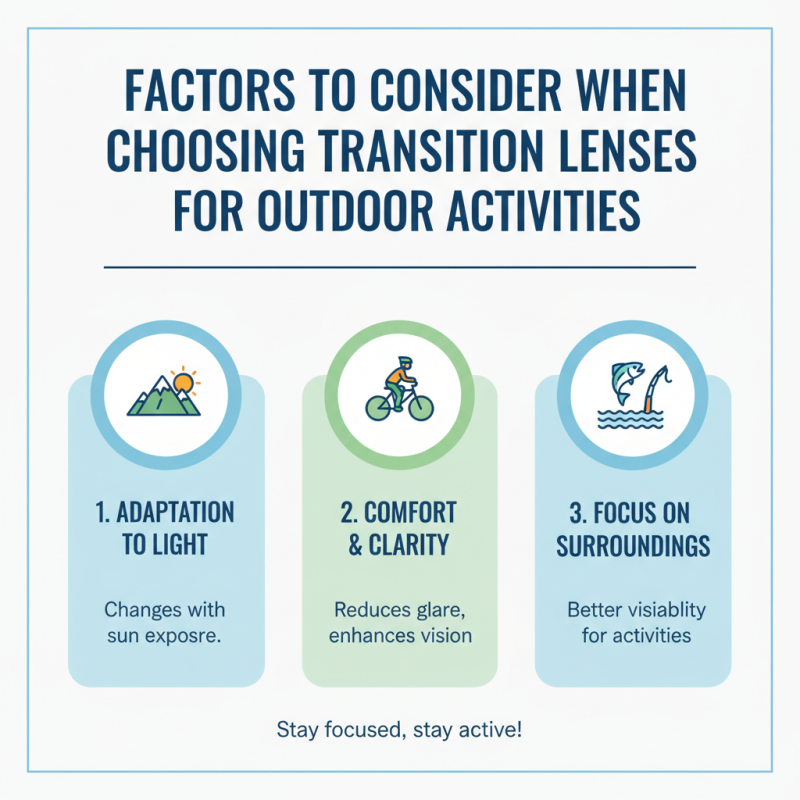
Choosing the right transition lenses is crucial for outdoor activities. They adapt to changing light, providing comfort and clarity. When you’re hiking, biking, or fishing, having the right lenses means you can better focus on your surroundings.
Consider your main activities. If you spend a lot of time outdoors, look for lenses that turn darker in bright sunlight. However, not all lenses react equally to UV light. Some may take longer to adapt, which can be frustrating. Also, think about your vision needs. Do you have prescription requirements? Ensure the lenses suit your needs.
Another factor is your environment. For snow or water activities, choose lenses that offer polarization. This reduces glare and enhances visibility. You might also reflect on your personal style. Transition lenses come in various colors, allowing you to express yourself while enjoying the outdoors.
Examining Lens Material Options: Weight, Durability, and Comfort
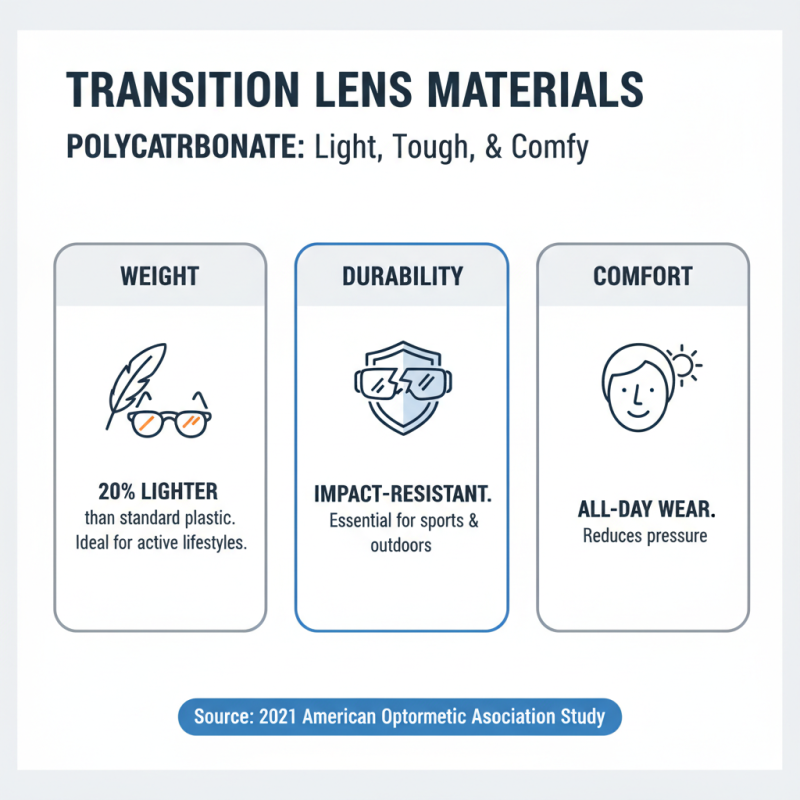
When choosing transition lenses, the material you select greatly impacts weight, durability, and comfort. According to a 2021 study by the American Optometric Association, polycarbonate lenses are among the lightest options available. They weigh about 20% less than traditional plastic lenses, making them ideal for active lifestyles. However, their durability is noteworthy. Polycarbonate lenses are impact-resistant, which is essential for sports or outdoor activities.
Another common lens material is high-index plastic. These lenses are thinner yet can be heavier than polycarbonate. A report from the Vision Council highlighted that high-index materials can reduce thickness by up to 50%. However, they may not be as scratch-resistant as polycarbonate. Thus, users should weigh the trade-offs between aesthetics and potential durability concerns.
Tips: Consider your daily activities when choosing lens materials. For sports or active use, opt for polycarbonate. If you prioritize style and are less active, high-index may suit you better. Always consult with an eye care professional to ensure you find the perfect balance between comfort and functionality. Remember, each material comes with pros and cons that reflect personal needs and preferences.
Budgeting for Transition Lenses: Cost vs. Long-Term Value Assessment
When considering transition lenses, budgeting becomes crucial. An average pair of transition lenses can range from $200 to $600, depending on the lens technology and coatings. Industry reports show that 70% of consumers prioritize cost over long-term value. However, investing in quality transition lenses can lead to significant savings. Poor-quality lenses may require frequent replacements, which adds up over time.
Long-term value assessment involves looking beyond the initial price. Transition lenses reduce the need for multiple pairs of glasses, saving both money and space. Research indicates that users of transition lenses experience fewer eye strain symptoms. This may improve productivity and comfort, impacting overall quality of life.
Many people hesitate to pay upfront due to high costs. Yet, choosing lenses that effectively filter UV and blue light can prevent potential eye health issues. It's worth considering that poor vision care can lead to more expensive treatments later. Transition lenses are not just a purchase but a valuable health investment over time.
2026 How to Choose the Right Transition Lens for Your Lifestyle?