Choosing the right plastic lens for your eyewear needs can be daunting. Renowned optical expert Dr. Marissa Lee states, “The right lens can enhance your vision and comfort significantly.” Plastic lenses are lightweight, durable, and offer various styles. This flexibility makes them a popular choice among eyewear consumers.
When selecting plastic lenses, consider factors like scratch resistance and UV protection. Many people overlook these important features. Quality lenses can dramatically enhance your daily life. However, not all plastic lenses are created equal. Some may warp or lose clarity over time, so it’s crucial to choose wisely.
It’s easy to get lost in the choices available. With so many options on the market, understanding the nuances of plastic lenses is vital. Ask yourself what you truly need from your eyewear. This reflection can guide you to make a better decision for your vision health. The right insights can transform your approach to eyewear.
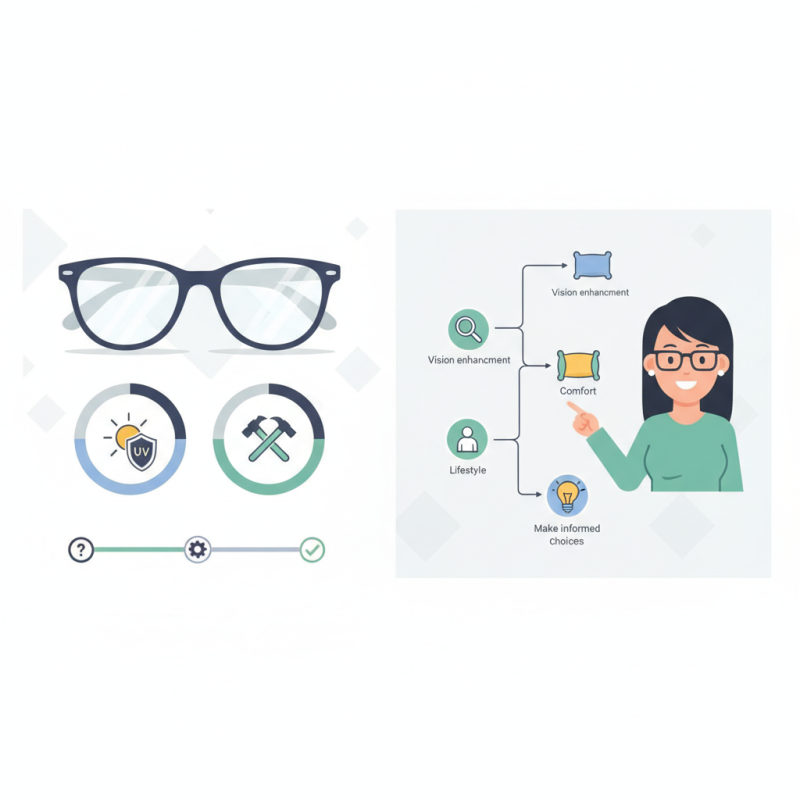
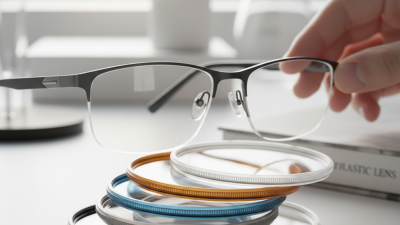
When selecting plastic lenses for eyewear, understanding the different types is essential. Polycarbonate lenses are popular for their impact resistance and lightweight nature. They are an excellent choice for active individuals and children. However, some might find them prone to scratches without proper coating.
Another option is CR-39 lenses, which are affordable and provide good optical clarity. Yet, they can be thicker than polycarbonate options. This thickness may not be ideal for everyone. Additionally, high-index plastic lenses cater to those with strong prescriptions. They are thinner and lighter but often come at a higher cost. Finding a balance between weight, durability, and price is key.
Some people overlook the importance of lens treatments. Anti-reflective coating can enhance vision, especially in low-light conditions. However, some coatings can wear off over time, leading to disappointments. Always weigh the benefits against potential downsides. Each lens type comes with its pros and cons, leading to endless options and choices. Understanding these nuances can significantly influence your eyewear experience.
| Tip | Description | Lens Type | Benefits |
|---|---|---|---|
| 1. Understand Plastic Lens Types | Familiarize yourself with different types of plastic lenses, including CR-39, polycarbonate, and high-index lenses. | CR-39, Polycarbonate, High-index | Varied options for different prescriptions and needs. |
| 2. Consider the Weight | Choose lightweight lenses for better comfort during prolonged wear. | Polycarbonate | Lightweight and durable. |
| 3. UV Protection | Select lenses that provide adequate UV protection to shield your eyes from harmful rays. | All Plastic Types | Promotes eye health. |
| 4. Scratch Resistance | Look for lenses that have scratch-resistant coatings. | Reg. Plastic, Polycarbonate | Increased lens longevity. |
| 5. Anti-Reflective Coating | Consider anti-reflective coatings for reducing glare. | High Index, Polycarbonate | Improves clarity and reduces eye strain. |
| 6. Light Weight | Choose lightweight materials like polycarbonate for comfort. | Polycarbonate | Easier to wear for long durations. |
| 7. Customization Options | Explore the customization options available for various lens types. | All Types | Personalized comfort and vision correction. |
| 8. Consider Your Lifestyle | Choose lenses suitable for your daily activities, such as work or sports. | Polycarbonate for Active Lifestyle | Durability for active users. |
| 9. Consult an Eye Care Professional | Always seek expert advice to make the best choice on lenses. | All Types | Ensures proper vision correction. |
| 10. Price vs. Quality | Balance your budget with the quality of lenses for better value. | CR-39 vs. High-Index | Find the right fit for your budget and needs. |
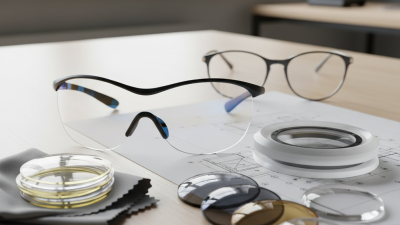
When choosing plastic lenses for eyewear, lens thickness and weight play crucial roles in comfort and style. Lighter lenses can significantly improve daily wearability. According to industry research, lightweight lenses can reduce pressure on the nose and ears, enhancing overall comfort. For those who wear glasses for extended hours, this can make a noticeable difference in user experience.
Thicker lenses often provide stronger prescriptions but can be heavier. This trade-off can lead some users to reconsider their lens choice. A report from the Vision Council suggests that nearly 50% of eyewear users prioritize comfort over style. It's worth noting that thicker lenses may also produce more distortion, which can affect visual clarity and style.
In terms of aesthetics, thinner lenses often appear more flattering in frames, aligning with current fashion trends. However, the realization that thinner lenses are not always the best option for heavier prescriptions can be challenging. Users sometimes feel pressured to choose the latest styles rather than focus on what genuinely suits their needs. Understanding these nuances is key to finding the right balance between comfort and visual appeal.
When selecting plastic lenses for eyewear, evaluating UV protection is essential. UV rays can lead to cataracts, macular degeneration, and other serious eye conditions. The American Academy of Ophthalmology states that harmful UV exposure contributes significantly to these issues. Opting for lenses that block 99% to 100% of UVA and UVB rays offers crucial protection. However, not all plastic lenses provide this level of safety.
Testing the UV protection of plastic lenses involves more than surface claims. Industry reports indicate that some lenses feature minimal UV filtering, which can mislead consumers. Independent tests often reveal discrepancies between advertised and actual UV protection levels. Therefore, always verify the specifications and seek professional guidance when choosing the best lenses for your needs. Keep in mind that your eye health is paramount, and investing in high-quality UV protective lenses is vital for long-term safety.
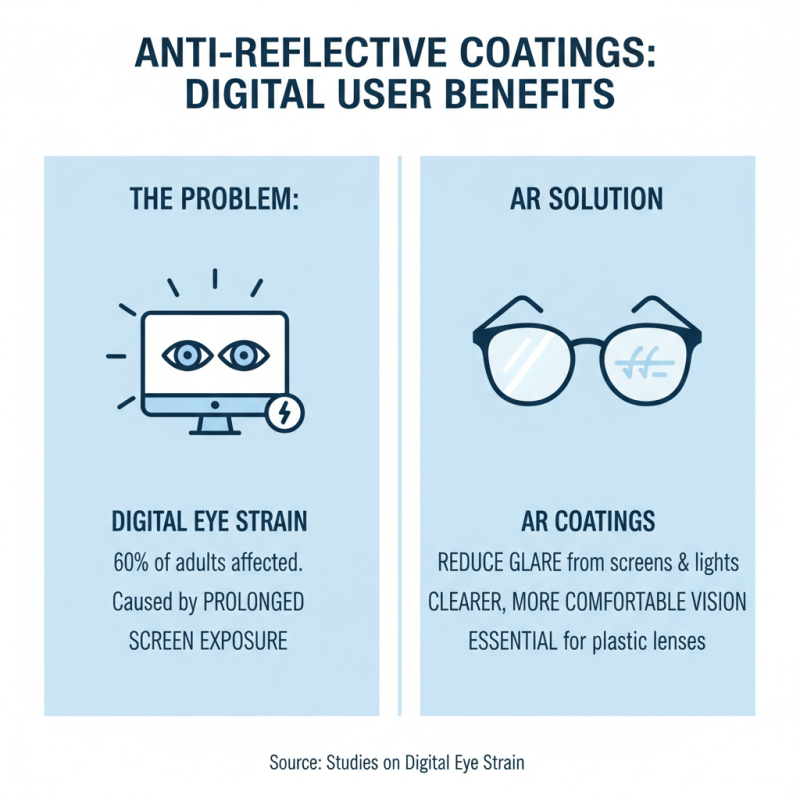
When it comes to selecting plastic lenses for eyewear, anti-reflective (AR) coatings are a major consideration, especially for digital users. Studies show that prolonged screen exposure can lead to digital eye strain, affecting nearly 60% of adults today. AR coatings can significantly reduce glare from screens and bright lights, making your vision clearer and more comfortable.
One key tip is to opt for high-quality AR coatings. These not only enhance vision but also resist scratches and smudges. According to industry reports, lenses with superior AR coatings improve contrast by about 30%. This can be particularly helpful for those who spend countless hours in front of a computer or other digital devices.
Another aspect to consider is the lens thickness. Thinner lenses can feel lighter and provide a more attractive profile. However, they may need enhanced AR treatments to deliver optimal performance. Balancing thickness and coating quality is essential for both comfort and style. In brief, think about your lifestyle needs when choosing the right lens features. Consider how often you use digital devices and the specific conditions in which you will wear your eyewear.
When choosing plastic lenses for eyewear, evaluating cost versus quality is crucial. Many people look for the lowest price, but this often leads to compromises in performance and durability. It’s essential to understand that higher-quality lenses can provide better clarity and scratch resistance. Think about your daily activities. If you lead an active lifestyle, investing in more robust lenses can pay off in the long run.
Additionally, weighing features against price can be a challenge. Coatings like anti-reflective or UV protection enhance usability but may increase costs. You might question whether these enhancements justify the price. A lens that reduces glare can significantly improve vision in bright environments, making it worth considering. Knowing your specific needs helps in finding value.
Cutting corners to save money may lead to dissatisfaction with your choice. Some cheaper lenses may distort vision or be more prone to scratches. This choice often results in frequent replacements. Assessing your long-term vision care strategy can be enlightening. Investing now might save you from future hassles and costs. Quality lenses can enhance overall eyewear performance and comfort.