Choosing the right Presbyopia Lens in 2026 requires more than comparing prices or copying popular recommendations. Global buyers face different visual needs, product standards, fitting systems, and aftercare access. A lens that works comfortably for reading in London may feel unsuitable for screen use in Singapore or driving at dusk in Toronto.
This guide examines the main presbyopia lens types available to international buyers. It considers multifocal, bifocal, monovision, and extended-depth-of-focus options. Each design manages near, intermediate, and distance vision differently. Some users value smooth vision throughout the day. Others prefer sharper contrast for night driving or detailed office work. Comfort matters too. A dry, irritated eye can make an advanced lens feel disappointing.
Small details matter.
Experienced eye-care professionals usually assess prescription strength, corneal health, tear quality, lifestyle, and fitting history. Buyers should also verify the manufacturer, product labeling, replacement schedule, and local professional support. Online descriptions can be useful, but they cannot replace an examination or supervised fitting. This is especially important when purchasing across borders, where availability and regulatory requirements may differ.
There is no universal “best” Presbyopia Lens. Even accurate clinical guidance may need adjustment after real-world use. A wearer may discover halos around lights, reduced contrast, or difficulty reading a phone screen. That feedback is valuable, not a failure. The following overview offers a practical, evidence-informed starting point for comparing lens types, asking better questions, and choosing comfort and visual reliability over attractive marketing claims.
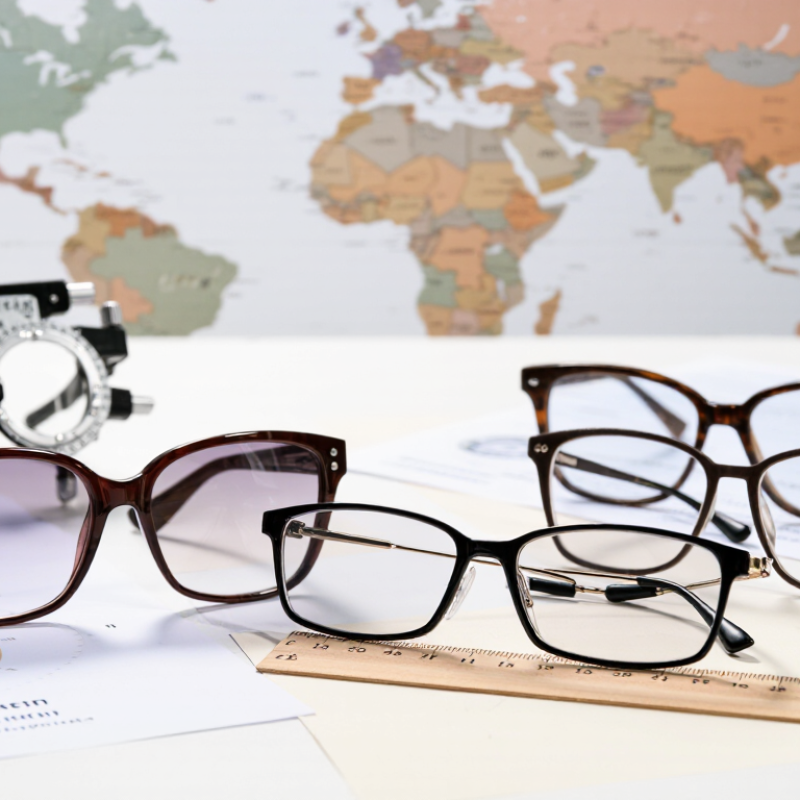
Presbyopia is an age-related change in the eye’s natural lens. The lens gradually becomes harder and less flexible. It cannot adjust its shape as easily for close objects. It is gradual. Small print may look blurred, especially in dim restaurants or crowded markets. Reading menus, checking phone messages, or threading a needle can require extra light and longer arm distance.
Near work becomes tiring. Some people notice headaches, eye strain, or frequent refocusing between a screen and a distant road sign. These symptoms usually develop after the early forties, but timing varies. Presbyopia does not mean the eyes are unhealthy. However, sudden vision changes, flashes, or pain require prompt professional assessment. A comprehensive eye examination can also identify conditions that ordinary reading glasses may hide.
Lens choices should match daily tasks and prescription needs. Reading lenses help with close work but must be removed for distance viewing. Bifocal lenses provide two main viewing zones, while progressive lenses offer a gradual range of focus. Office lenses may suit computer use, although they are not designed for driving. Multifocal contact lenses are another option, but adaptation can be uneven. No lens feels perfect for everyone. Fit, lighting, screen distance, and eye health matter. A careful prescription remains more reliable than choosing power from age alone.
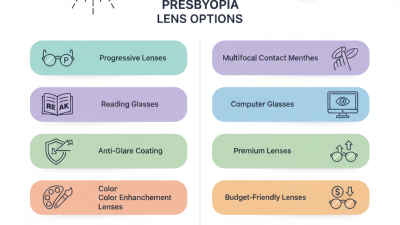
Presbyopia changes how the eye focuses on near objects, usually becoming noticeable after midlife. Major lens types solve this differently. Bifocal lenses use two clear zones: distance above and near below. A visible line separates them. They offer predictable power, but the image can jump when the gaze crosses the segment. Trifocal lenses add an intermediate zone for dashboards, tablets, and shop counters. That extra range helps some users, though the zones remain defined.
Progressive lenses blend distance, intermediate, and near powers across one surface. They look like ordinary lenses and support natural head movement. However, side areas may blur, especially during the first week. Accurate measurements matter. Pupil position, frame fit, and reading distance can change the result. Occupational lenses prioritize desk work, often giving a wider computer zone and a smaller distance area. They suit office routines, not every driving situation.
Multifocal contact lenses divide or alternate focusing powers on the eye. They can reduce dependence on spectacles, but night glare and contrast changes may occur. Monovision corrects one eye mainly for distance and the other for near. It may feel strange. An eye-care professional should assess binocular vision, tear-film health, prescription, and daily tasks before recommending a design. A practical fitting includes trial use under real lighting. Even an excellent prescription may need adjustment after several days.
Presbyopia does not create one identical problem for every buyer.
Reading glasses suit people who remove them after close work. They are affordable, simple, and easy to replace. However, they do not help distance vision while reading.
Bifocal lenses combine distance and near correction, but their visible line can feel distracting. Trifocals add an intermediate zone for tasks such as dashboard viewing.
Progressive lenses provide gradual focus changes without visible lines. They support distance, computer, and reading tasks in one pair. Adaptation may take several days, and some users notice side blur when moving their eyes. Accurate measurements matter, including pupil distance and fitting height. A small error can make a well-designed lens uncomfortable. Occupational lenses may work better for people who spend long hours at a monitor. They usually prioritize intermediate and near vision, not driving.
Multifocal contact lenses offer freedom from glasses, while monovision gives one eye a distance focus and the other a near focus. Both options require professional assessment and a realistic trial period.
Dry eyes, night driving, hand coordination, and lifestyle should influence the choice. Do not judge lenses only by price. That is an incomplete comparison. Lens material, optical measurements, aftercare, and replacement access also affect long-term value. A practical fitting review may change the original recommendation, which is why online selection alone can be unreliable.
2026 Best Presbyopia Lens Types for Global Buyers?
Global buyers should evaluate lens performance before choosing a lens category. The Lancet Global Health estimated 1.8 billion people had presbyopia in 2015, with about 826 million lacking adequate correction. That scale makes comfort, fitting accuracy, and consistent quality essential.
Progressive lenses suit users who need distance, intermediate, and near vision in one frame. Their corridor design demands accurate pupillary distance, fitting height, and stable frame positioning.
Bifocals can offer a familiar near segment, but the visible line may affect appearance and adaptation.
Occupational lenses often perform better for office work, where screens sit 50–80 centimeters away. Extended-depth-of-focus designs may provide smoother intermediate vision, although availability and clinical suitability vary by market.
Fit matters most.
Buyers should compare add-power ranges, corridor lengths, lens materials, coating durability, and warranty procedures. In humid or dusty regions, scratch resistance and easy-clean coatings deserve practical testing, not only catalogue claims.
WHO’s World Report on Vision identifies refractive error as a major contributor to avoidable vision loss, reinforcing the need for professional refraction and reliable dispensing. Local standards, labeling rules, and after-sales support also influence purchasing risk.
Some users still struggle with progressive lenses, even after careful fitting. That possibility should remain part of the evaluation. Internal trials with reading labels, phone screens, and uneven pavements can reveal problems that laboratory figures miss.
Presbyopia affects about 1.8 billion people worldwide, according to the World Health Organization’s World Report on Vision. Around 826 million cases remain unaddressed. Global buyers should treat lens selection as a clinical decision, not a price comparison.
Single-vision reading lenses suit close work, while bifocal lenses provide clearer distance and near zones. Progressive lenses offer gradual focus across distances, but their peripheral blur may require adaptation.
An eye-care professional should measure refraction, pupillary distance, fitting height, and working distance. A computer user may need a wider intermediate zone. A poor fitting height can make a premium lens feel unusable.
Fit matters greatly. Wear the lenses during normal tasks before judging comfort. Adaptation can take several days. Sometimes longer.
Keep lenses in a hard case, rinse away dust, and clean them with lukewarm water and suitable lens cleaner. Avoid dry wiping, hot water, and household solvents. These habits reduce coating damage, but they cannot repair incorrect prescriptions.
The WHO’s 2021 World Report on Vision also emphasizes integrated eye-care access, reminding buyers that online convenience should not replace professional examination. I have found that users often focus on lens type first, although frame stability and daily working distance may matter more. Rechecking the prescription after noticeable blur, headaches, or reading changes remains sensible.