How to Choose the Best Presbyopia Lens for Your Needs
Choosing the right Presbyopia Lens is vital for those experiencing age-related vision changes. As we age, our eyesight needs new support. Finding the perfect lens can greatly enhance daily activities. Many options exist, making the selection process challenging.
Consider how you use your eyes daily. Do you read, work on computers, or enjoy outdoor activities? Each scenario demands different visual support. Some lenses offer multi-focal options, while others provide specific focus areas. Knowing your needs helps narrow down your choices.
Consulting with eye care professionals is key. They offer insights based on years of experience. Their guidance can help you avoid common pitfalls. Ultimately, the right Presbyopia Lens can lead to a clearer world, but the journey to that choice requires careful thought and reflection.
Understanding Presbyopia: Definition and Symptoms
Presbyopia is a common vision condition that affects nearly 1.5 billion people worldwide. It typically becomes noticeable in individuals over the age of 40. This natural aging process of the eye results in difficulty focusing on close objects. Symptoms include straining your eyes while reading or needing to hold books farther away. Understanding these indicators is essential when assessing vision changes.
Research shows that around 75% of those aged 60 and older experience symptoms of presbyopia. As vision deteriorates, daily tasks become increasingly challenging. Many people report headaches, fatigue, or even frustration due to declining vision. This situation calls for awareness and proactive measures to maintain eye health.
Ignoring these signs can lead to more significant issues in the future. Seeking advice from an eye care professional is crucial. They can assist with choosing suitable lenses tailored to your needs. Regular eye examinations help monitor changes. Engaging with this process ensures better long-term outcomes for vision health. Taking time to understand presbyopia is vital for maintaining the quality of life as we age.
Types of Presbyopia Lenses: A Comprehensive Overview
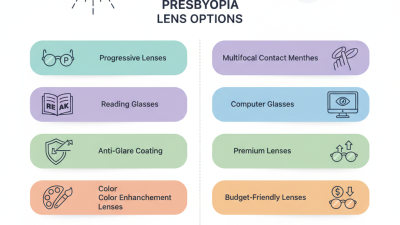
Choosing the right presbyopia lens involves understanding the types available. There are three primary types to consider. Single vision lenses are simplest. They focus on one distance. Multifacts lenses cover near and far vision. They have a seamless transition, perfect for daily activities.
Bifocal lenses provide distinct areas for near and distant vision. They have a visible line separating the two. While effective, some users find the line distracting. Varifocal lenses, or progressive lenses, offer a smooth progression from near to far vision. Though they require an adjustment period, they are often favored for their versatility and aesthetic appeal.
It's essential to discuss your visual needs with an eye care professional. They can guide you in selecting the best lens type for your lifestyle. Personal comfort and ease are crucial. Remember, each type of lens may have its drawbacks. Monitor your experience and adapt your choice as needed.
How to Choose the Best Presbyopia Lens for Your Needs - Types of Presbyopia Lenses: A Comprehensive Overview
| Lens Type |
Description |
Ideal For |
Pros |
Cons |
| Single Vision Lenses |
Lenses with a single prescription for distance or near vision. |
Individuals with mild presbyopia. |
Simple design, cost-effective. |
Limited versatility. |
| Bifocal Lenses |
Lenses with two distinct optical powers, for distance and near. |
Active individuals needing clear vision at varying distances. |
Seamless transition between vision zones. |
Visible line can be distracting. |
| Progressive Lenses |
Lenses with a gradual change in power from top to bottom. |
Those seeking natural vision across all distances. |
No visible lines, more aesthetically pleasing. |
May take time to adjust. |
| Reading Glasses |
Lenses designed specifically for close-up tasks. |
People who spend long periods reading or using computers. |
Inexpensive and easy to find. |
Not suitable for distance vision. |
| Photochromic Lenses |
Lenses that darken in response to sunlight. |
Those needing both indoor and outdoor vision correction. |
Convenient and reduce glare. |
May not darken quickly in a car. |
Factors to Consider When Choosing Presbyopia Lenses
When selecting presbyopia lenses, several factors deserve careful consideration. Age plays a significant role. By age 40, many individuals experience difficulties focusing on close objects. A report from the American Optometric Association shows that nearly 90% of adults over 40 have some form of presbyopia. This makes understanding your specific visual needs essential.
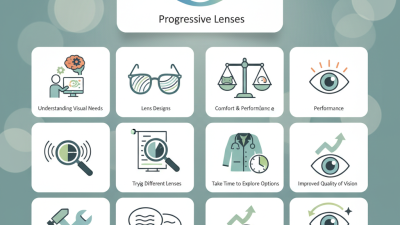
Comfort is vital. Lens materials and designs can significantly affect your experience. Progressive lenses, for example, provide a smooth transition for various distances. However, they require an adaptation period. On the other hand, bifocal lenses have a more visible line, which some may find less visually pleasing. Choosing between these styles should align with your daily activities and aesthetic preferences.
Tip: Always try lenses in real-life scenarios. Spend time reading, using screens, or performing tasks vital to your routine. Another consideration is lens coatings. Anti-reflective coatings can reduce glare, something most users appreciate. As you explore options, keep in mind the trade-offs. Not every lens works perfectly for everyone. Each person's experience will differ, reflecting their unique lifestyle and needs.
Comparing Multifocal, Bifocal, and Monovision Options
When considering presbyopia lenses, you will come across three main options: multifocal, bifocal, and monovision. Each type has its distinct advantages and potential drawbacks. A recent survey indicated that about 60% of patients prefer multifocal lenses for seamless vision at varying distances. These lenses, featuring multiple zones for vision correction, allow wearers to see clearly without the need to switch between glasses. However, adapting to multifocal lenses can be challenging for some individuals, often leading to issues like blurred vision during initial use.
Bifocal lenses offer a more straightforward solution. They have two distinct viewing areas. One for distance and one for near vision. Although they are simpler in design, the abrupt transition can be jarring. A study found that 25% of bifocal wearers experience difficulties when switching between the two fields. Monovision, another option, allows one eye to focus on distance while the other focuses on close tasks. This method can reduce the need for multifocal adjustments but may lead to depth perception issues for some users.
Tips: Consider your daily activities when choosing. If you frequently switch between distances, multifocal lenses may suit you better. If you engage in a lot of close-up tasks, bifocal lenses could be the answer. Always consult with an eye care professional to ensure the best fit for your lifestyle and needs. Adaptation periods can vary significantly, so patience is vital as you adjust to your new lenses.
Comparison of Presbyopia Lens Options
Consultation and Fitting: Ensuring Optimal Comfort and Vision
Choosing the right presbyopia lens involves more than just picking a pair of glasses. An essential part of this journey is the consultation and fitting process. It's here that your unique vision needs are addressed. According to the American Academy of Ophthalmology, about 90% of adults over 45 experience some degree of presbyopia. This underscores the importance of personalized fitting to enhance comfort and clarity.
During a fitting session, eye care professionals assess your lifestyle and vision demands. This approach leads to optimal lens selection tailored to your activities. Health professionals recommend that patients try on lenses during the fitting process. Studies show that around 60% of users feel more satisfied with their lenses when they experience different options in real-time. This hands-on approach can significantly impact long-term comfort.
Optometrists might also discuss other factors that influence lens comfort, such as lens design and prescription accuracy. Many people overlook the importance of these details. Common feedback includes issues with peripheral vision or discomfort after extended wear. It’s crucial to address these concerns with your eye care provider. Learning about the nuances of various lens options can make a meaningful difference in your daily life.