Best Polycarbonate Lenses for Ultimate Eye Protection and Clarity in 2026?
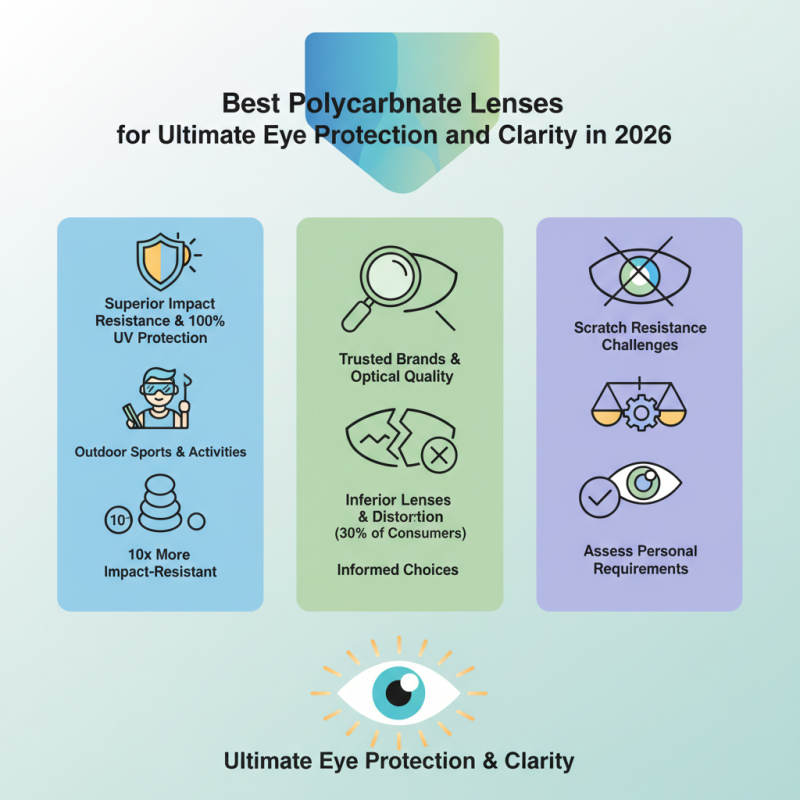
In the realm of eyewear, polycarbonate lenses stand out for their superior impact resistance and clarity. According to the American Optometric Association, polycarbonate lenses filter 100% of harmful UV rays. This quality makes them an ideal choice for those engaged in outdoor sports and activities. Furthermore, they are about 10 times more impact-resistant than regular plastic lenses, ensuring durability and safety.
Despite these benefits, not all polycarbonate lenses are created equal. Some manufacturers may cut corners in production, sacrificing optical quality for cost. It is crucial to select trusted brands that adhere to industry standards. Reports also indicate that approximately 30% of consumers experience distortion with inferior lenses. Such issues underscore the importance of making informed choices.
While polycarbonate lenses are popular, they may not suit everyone's needs. Some users report scratch resistance challenges. It highlights the necessity of assessing personal requirements when choosing lenses. By understanding the strengths and potential drawbacks, consumers can make better decisions for ultimate eye protection and clarity in 2026.
Understanding Polycarbonate Lenses: Materials and Benefits Explained
Polycarbonate lenses are renowned for their durability and clarity. Made from a type of thermoplastic, they are significantly stronger than standard plastic or glass lenses. According to the American National Standards Institute (ANSI), polycarbonate lenses have a shatter resistance that is up to 10 times greater than regular plastic. This attribute makes them ideal for sports eyewear and safety glasses.
In addition to their strength, polycarbonate lenses offer excellent optical clarity. They provide 100% UV protection, crucial for eye health. Reports from the Vision Council reveal that prolonged UV exposure can lead to cataracts and other eye conditions. With polycarbonate lenses, wearers enjoy clearer vision without risking their eye safety.
However, not all aspects are perfect. Some users report that polycarbonate lenses can scratch more easily than other materials. While they are designed to be impact-resistant, a lack of proper care may lead to diminished clarity over time. It’s vital to clean and store them correctly to maintain their performance. As with any product, understanding the limitations can lead to better user experiences and informed choices.
Key Features of the Best Polycarbonate Lenses for Eye Protection
Polycarbonate lenses stand out for their exceptional
impact resistance and clarity. Many opt for these lenses as the best choice for eyewear.
When choosing polycarbonate lenses for eye protection, consider key features that enhance
safety and visual quality.
One significant aspect is UV protection. UV rays can cause
considerable harm to your eyes. Quality polycarbonate lenses should provide 100%
protection against UVA and UVB rays. This feature is crucial, especially for outdoor activities.
In addition, anti-reflective coatings can reduce glare and enhance vision. Clear vision
is paramount in varying light conditions.
Tips: Look for lenses with scratch-resistant
coatings. They prolong the lifespan of your eyewear. Regularly inspect your lenses for
minor scratches. Addressing them early can prevent bigger issues later. Additionally, consider
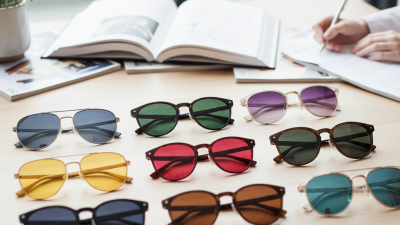
the lens tint. Tinted lenses can enhance contrast, improving visual acuity in bright
conditions. Choosing the right tint based on your activities can make a noticeable difference.
Another critical feature is weight. Polycarbonate
lenses are lightweight, making them comfortable for all-day wear. However, some might feel
they compromise on optics. This can lead to discomfort in prolonged use. Ensure to test
comfort levels before making a choice. Prioritize your lifestyle and needs when selecting
the best lenses for you.
Top Brands Offering High-Quality Polycarbonate Lenses in 2026
As we move into 2026, selecting high-quality polycarbonate lenses becomes crucial for eye protection and visual clarity. Polycarbonate lenses are known for their impact resistance. According to industry reports, they absorb up to 90% of harmful UV rays, significantly reducing the risk of eye damage. This UV protection is vital, especially for individuals who spend long hours outdoors.
Many top brands are focusing on advanced technologies to enhance lens coatings. These coatings improve scratch resistance and reduce glare, offering a significant advantage in bright conditions. A recent survey indicates that lenses with anti-reflective coatings can enhance visual sharpness by over 30%. This is critical for athletes and professionals who rely on clear vision.
However, not all polycarbonate lenses are created equal. Some may lack the proper quality certifications, leading to premature wear. Consumers should pay attention to product specifications and seek lenses that meet industry standards. While polycarbonate lenses are lightweight and comfortable, they may not provide the same optical clarity as other lens materials. Balancing comfort and visual performance remains a challenge in the lens market.
Best Polycarbonate Lenses for Ultimate Eye Protection and Clarity in 2026
| Lens Type |
UV Protection |
Scratch Resistance |
Weight (grams) |
Clarity Rating (1-10) |
| Standard Polycarbonate |
99% UV Protection |
Moderate |
20 |
8 |
| Photochromic Polycarbonate |
100% UV Protection |
High |
22 |
9 |
| Polarized Polycarbonate |
99% UV Protection |
Very High |
19 |
10 |
| Anti-Reflective Polycarbonate |
99% UV Protection |
High |
21 |
9 |
Comparative Analysis: Polycarbonate Lenses vs. Other Lens Materials
Polycarbonate lenses offer exceptional impact resistance, making them a popular choice for safety eyewear. They are also lightweight, which enhances comfort, especially during prolonged wear. Compared to glass lenses, polycarbonate materials are significantly more durable, safeguarding against shattering, a crucial feature for active lifestyles.
When considering alternatives, such as plastic or high-index lenses, polycarbonate often outshines in clarity and protection. Plastic lenses are lighter but lack the strength of polycarbonate. High-index lenses provide thinner profiles but tend to be more fragile. Users may find themselves replacing plastic lenses more frequently due to scratches and breaks.
It's worth noting that while polycarbonate lenses excel in many areas, they can have limitations. Some people report distortions in peripheral vision. Others might prefer the optical clarity of high-index lenses for specific tasks. Balancing clarity with protection and comfort is essential. Understanding personal needs is crucial before making a choice.
Expert Recommendations for Choosing the Right Polycarbonate Lenses
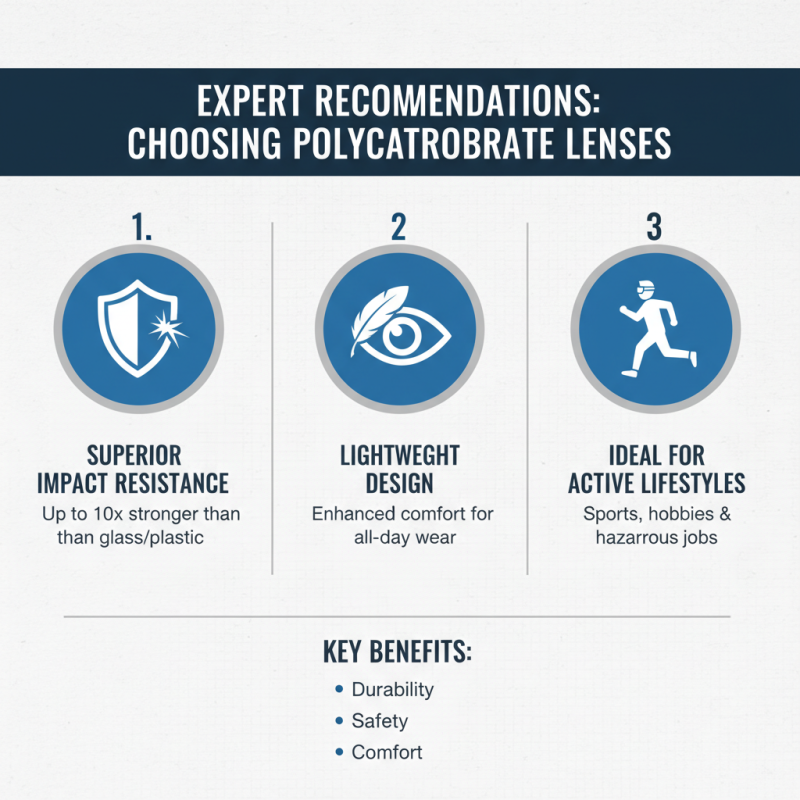
When selecting polycarbonate lenses, understanding the key features is essential. These lenses are known for their strength and lightweight design. Unlike traditional glass lenses, polycarbonate offers better impact resistance. This is especially crucial for active lifestyles or professions with potential hazards.
UV protection is another major factor. Polycarbonate lenses naturally block harmful UV rays, providing comfort for the eyes during bright days. Additionally, consider lens coatings. Anti-scratch and anti-reflective coatings enhance durability and visibility. It’s important to weigh these options based on your daily activities.
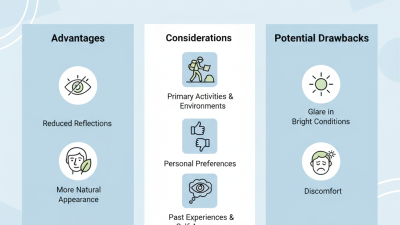
Personal preferences also play a role. Some individuals prioritize style over function, while others focus solely on safety. It's vital to recognize your specific needs. This may require experimenting with different lens types. Engaging with opticians can provide insights tailored to your lifestyle. Remember, finding the right lenses is an evolving process, reflecting changing needs and environments.