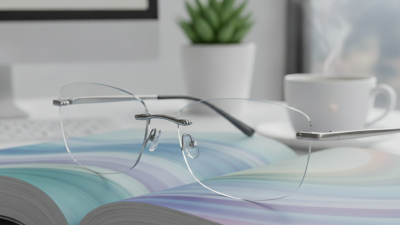
2026 Best Presbyopia Lens Options for Clear Vision?
Navigating the world of vision correction can be challenging. As we age, presbyopia becomes a common concern. This condition affects our ability to focus on close objects. It's a natural part of aging, typically starting in our 40s. Choosing the right presbyopia lens is crucial for maintaining clear vision.
In 2026, the options for presbyopia lenses have expanded tremendously. From multifocal to digital lenses, each type has its strengths. Many people find it daunting to select the right lens. Individual needs vary, and what works for one person may not work for another. Some lenses offer superior comfort, while others excel in clarity.
It's important to reflect on your vision habits. Do you frequently switch between tasks? This can influence your choice of presbyopia lens. Engaging with an eye care professional is vital. They bring the expertise needed to guide you through the options. With the right lens, you can reclaim the joy of clear vision. Take time to explore all the possibilities available today.
Understanding Presbyopia and Its Impact on Vision
Presbyopia is a common vision condition that typically affects those over 40. This gradual loss of the eye's ability to focus on nearby objects can create challenges in daily life. Many people notice difficulty reading fine print or seeing details up close. As we age, the eye's lens becomes less flexible, making this adjustment harder. It's a normal part of aging, yet it can be frustrating.
The impact of presbyopia can be significant. Tasks like reading menus or texting on a smartphone may become increasingly taxing. Experiencing eye strain or fatigue after prolonged near work isn't unusual. The need for brighter light or reading glasses might arise. Understanding these changes is essential. It can prompt individuals to seek solutions that improve their quality of life. Solutions like bifocals or progressive lenses are options worth exploring. They can provide clearer vision for various distances, helping to restore functionality.
Living with presbyopia doesn't mean giving up on activities you love. Regular eye exams are necessary to monitor these changes. Engaging with eye care professionals can provide insights tailored to individual needs. While presbyopia presents challenges, being informed empowers better decisions about vision correction.
Types of Lenses Available for Correcting Presbyopia
Presbyopia, a common age-related vision issue, affects nearly 1.4 billion people worldwide, according to recent studies. This condition makes it difficult to focus on close objects. Understanding the available lens options is essential for effective correction.
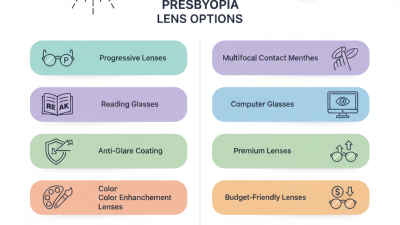
There are various types of lenses designed to help with presbyopia. Single vision lenses are the most basic choice. They provide clear vision at one distance only. On the other hand, bifocal lenses offer two distinct areas for distance and near vision. Trifocal lenses expand on this by adding a third area for intermediate vision. Around 15-20% of presbyopic individuals prefer these options, seeking familiar solutions.
Progressive lenses are gaining popularity. They provide a seamless transition from distance to near vision without visible lines. According to industry reports, about 70% of users find progressive lenses to be more comfortable. However, some people struggle to adapt. It can require patience to adjust to the gradual changes. Not everyone will find the perfect fit right away. This highlights the ongoing need for personalized assessments in optical health.
2026 Best Presbyopia Lens Options for Clear Vision
Evaluating the Best Lens Options for Clear Vision in 2026
Presbyopia, a common age-related vision issue, affects approximately 1.2 billion people globally by 2026. Understanding suitable lens options is crucial for clear vision. Research indicates that progressive lenses continue to gain popularity among users due to their seamless transition for distance and near vision. According to recent market analysis, over 50% of presbyopic patients prefer these lenses for their adaptability.
Consider frame and lens material when selecting your eyewear. Lightweight, durable materials like polycarbonate increase comfort and reduce strain. Additionally, anti-reflective coatings minimize glare and enhance visual clarity, a particularly valuable feature for night driving. While many users transition smoothly to progressive lenses, some report initial difficulty in adjusting. This underscores the importance of personalized fitting and consultation with an eye care professional.
For optimal comfort, regular eye examinations are essential. These assessments can help tailor lens options to individual visual needs. Users should also be aware that not all lenses will work for everyone; personal preferences and lifestyle play critical roles. Exploring options with expert guidance maximizes the chances of achieving clear vision, addressing the unique demands of living with presbyopia. Engaging in this process can improve not only sight but overall quality of life.
Comparative Analysis of Progressive and Bifocal Lenses
As the aging population grows, presbyopia becomes a common concern. Many individuals face the choice between progressive and bifocal lenses. According to a recent industry report, around 27% of adults in their 40s experience presbyopia, with this figure rising to nearly 90% in individuals aged 60 and above. Understanding the differences between these lens types can significantly impact visual clarity.
Progressive lenses offer a gradual transition from distance to near vision. This design helps users avoid the "visible line" that bifocal lenses have. Some users appreciate the seamless visual experience with progressives. However, the adaptation period for these lenses can be challenging for some. Research indicates that nearly 50% of first-time users struggle with peripheral distortion in the initial weeks.
Bifocal lenses, on the other hand, feature a distinct separation between distance and near vision segments. While they are easier to adapt to, some wearers feel limited by the abrupt change in lens power. A study showed that about 30% of bifocal users report dissatisfaction due to the restricted field of vision. This limitation may prompt them to rethink their choice, leading to the exploration of alternatives like progressive lenses.
Trends and Innovations in Presbyopia Lens Technology for 2026
As we approach 2026, advancements in presbyopia lens technology continue to evolve. Recent innovations focus on creating tailored solutions for individuals struggling with near vision. New materials enhance comfort and clarity, providing a more natural visual experience. The integration of digital eye strain relief in these lenses is becoming increasingly vital. Users find themselves alternating between screens and printed material. Therefore, lenses designed to address this issue show promising potential.
Furthermore, there's an emphasis on personalization. Modern lens options can now be customized based on individual lifestyles and visual needs. This shift indicates a growing understanding of user behavior and its impact on lens performance. However, not every advancement guarantees a perfect fit for all users. Some still experience discomfort or suboptimal vision with newer designs. The ongoing exploration of these technologies reveals that while progress is significant, challenges remain for certain demographics.
Additionally, the rise of smart technology in eyewear offers intriguing possibilities. Embedded features may help users monitor their eye health in real-time. Yet, the implementation of these innovations raises questions about privacy and usability. Not everyone may feel comfortable with such integrations, highlighting a need for ongoing dialogue between developers and consumers. The road ahead is promising, but it requires careful consideration of user concerns and needs.