Best Transition Lenses for Global Buyers in 2026?
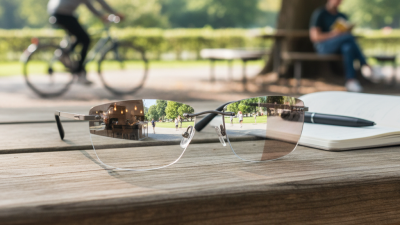
As we look ahead to 2026, the demand for transition lenses continues to rise among global buyers. These innovative lenses offer convenience and adaptability for everyday use. Transition lenses automatically adjust to changing light conditions, providing comfort and protection. They are particularly suitable for individuals who spend time outdoors and face varying sunlight exposure.
However, not all transition lenses are created equal. Factors such as lens quality, speed of transition, and clarity can differ significantly among brands. Buyers must navigate these options carefully. Understanding personal needs and preferences is crucial for making the right choice. Many find the variety overwhelming yet exciting.
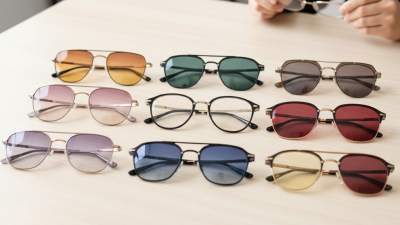
As consumers prepare to invest in transition lenses, it is important to consider both style and functionality. Researching reputable brands and seeking expert opinions can enhance decision-making. Personal experiences and reflections on previous purchases also play a vital role in shaping preferences. By taking the time to explore these aspects, global buyers can find the best transition lenses that truly meet their needs.

Top Features to Look for in Transition Lenses
When exploring the best transition lenses for global buyers in 2026, several key features stand out. One of the most important aspects to consider is the speed of transition. High-quality lenses should darken and lighten quickly in various lighting conditions. This responsiveness enhances user comfort, especially when moving between indoor and outdoor environments.
Another critical feature is UV protection. Quality transition lenses should provide comprehensive UV blocking to shield your eyes from harmful rays. This is essential for maintaining eye health during outdoor activities. Additionally, check for anti-reflective coatings. This coating reduces glare, improving visual clarity in bright environments. Look for products that offer a balance between darkening ability and optical clarity.
Lastly, consider the material of the lenses. Lightweight, durable materials can enhance comfort during daily wear. Some lenses might not perform well in extreme temperatures, leading to slower transitions. Remember to reflect on the importance of scratch resistance. While some lenses come with coatings, they may not always stand up to daily wear and tear. Assessing these features ensures that you can make an informed decision when selecting the best transition lenses.
Comparative Analysis of Leading Brands in 2026
In 2026, the demand for transition lenses has surged. A report from the Global Eyewear Market suggests that the sales of photochromic lenses are projected to reach $7.5 billion by 2026. This reflects growing awareness about UV protection and convenience among consumers worldwide. Transition lenses have been favored for their ability to adapt to varying light conditions, but quality and performance vary significantly across brands.
Comparative analysis shows that several brands lead the market based on consumer satisfaction, lens technology, and durability. Data indicates that 68% of consumers prefer lenses that transition quickly and efficiently. Many users express frustration over slower transition times. This highlights the importance of innovation in lens technology. Market reports reveal that products with anti-scratch and anti-reflective coatings are gaining traction, as they enhance user experience.
The environmental impact is another critical consideration. Approximately 58% of consumers now seek eco-friendly lens options. Reports suggest that brands producing sustainable lenses are becoming more respected in the industry. Securing consumer trust requires addressing both performance and environmental concerns. As brands compete, those prioritizing advanced technology and sustainability may find an edge in the evolving market landscape.
User Reviews and Feedback on Transition Lens Performance
Users are increasingly relying on transition lenses for their comfort and convenience. Recent studies indicate that around 50% of glasses wearers consider photochromic lenses essential for daily life. The seamless transition from indoor to outdoor lighting is vital for reducing eye strain. However, many users report mixed experiences regarding performance and effectiveness.
Feedback shows that while some appreciate the quick darkening feature, others find the lenses slow to adjust in specific lighting conditions. According to a survey conducted by an optical industry group, 35% of users expressed concerns about the lenses' adaptability. Additionally, 25% noted that clarity when transitioning back to indoor settings can sometimes be compromised. Such insights highlight the importance of real-world experiences over marketing claims.
User reviews often mention challenges with temperature sensitivity. Some lenses perform well in mild climates but struggle in extreme heat or cold. This variation can lead to frustration among users who rely on these glasses for consistent performance. Listening to this feedback is crucial for manufacturers to improve their offerings and meet buyer expectations more effectively.
Best Transition Lenses for Global Buyers in 2026
Innovations in Transition Lens Technology
In 2026, transition lenses are set to undergo significant changes, driven by cutting-edge innovations in lens technology. A recent report from the Vision Council indicates that nearly 50% of eyewear users prefer adaptive lenses, emphasizing the growing demand for versatile solutions. This shift is largely influenced by advancements in photochromic materials that respond faster to UV exposure, enhancing user experience.
Newer transition lenses also incorporate advanced coatings that improve scratch resistance and anti-reflective properties. According to industry analysis, the market for photochromic lenses is projected to reach $7 billion by 2027. These numbers highlight an increasing recognition of both aesthetic and functional needs from users worldwide. However, there is still a need to assess the longevity of these innovations. Consumers often express concerns about durability and performance variations based on climate and environmental conditions.
Emerging technologies, like the integration of artificial intelligence, are also being explored. These advancements promise to personalize lens tinting based on individual light exposure data. While this tech has potential, some skepticism remains regarding its practical application in everyday life. Users may question whether the benefits outweigh possible complications in usage. As the industry progresses, it’s crucial to maintain a focus on reliability and user satisfaction.
Global Trends Influencing Transition Lens Purchases
Transition lenses are increasingly popular among consumers, especially as awareness of eye health grows. As more people focus on protecting their vision, the demand for adaptive eyewear is rising. These lenses adjust to changing light conditions, offering convenience. However, understanding individual preferences and needs remains essential for buyers.
Global trends shape the market dramatically. The rise of outdoor activities encourages more people to invest in versatile eyewear. More consumers prioritize quality over price, seeking lasting solutions for their vision. However, some buyers may overlook the importance of UV protection or lens quality, focusing only on aesthetics. This misstep can lead to dissatisfaction.
Technological advancements also play a crucial role. Innovations in lens materials and coatings enhance durability and performance. Yet, marketing can sometimes exaggerate benefits, leaving consumers confused. A thoughtful approach to purchasing, considering both functionality and style, is necessary for informed decisions.