China Top Blue Filter Lens Guide for Photographers and Enthusiasts?
In the world of photography, the importance of using the right equipment is paramount. According to renowned lens expert Peter Adams, “A Blue Filter Lens can transform the way colors come alive in your photos.” This statement encapsulates the essential role that blue filter lenses play in enhancing visual aesthetics. Photographers and enthusiasts alike must understand how these lenses interact with light.
Blue filter lenses are particularly effective in reducing haze and increasing contrast. They change the way light reflects off subjects. This filtering effect can emphasize cooler tones and create vivid landscapes. However, choosing the right lens requires careful consideration. Not every blue filter will suit every situation. An experienced photographer must weigh the pros and cons.
While blue filter lenses are powerful tools, they can have drawbacks. Over-relying on them may lead to unnatural color renditions. It’s crucial for photographers to practice and experiment. A blue filter lens should enhance creativity rather than replace it. Ultimately, knowledge and practice will lead to mastery.
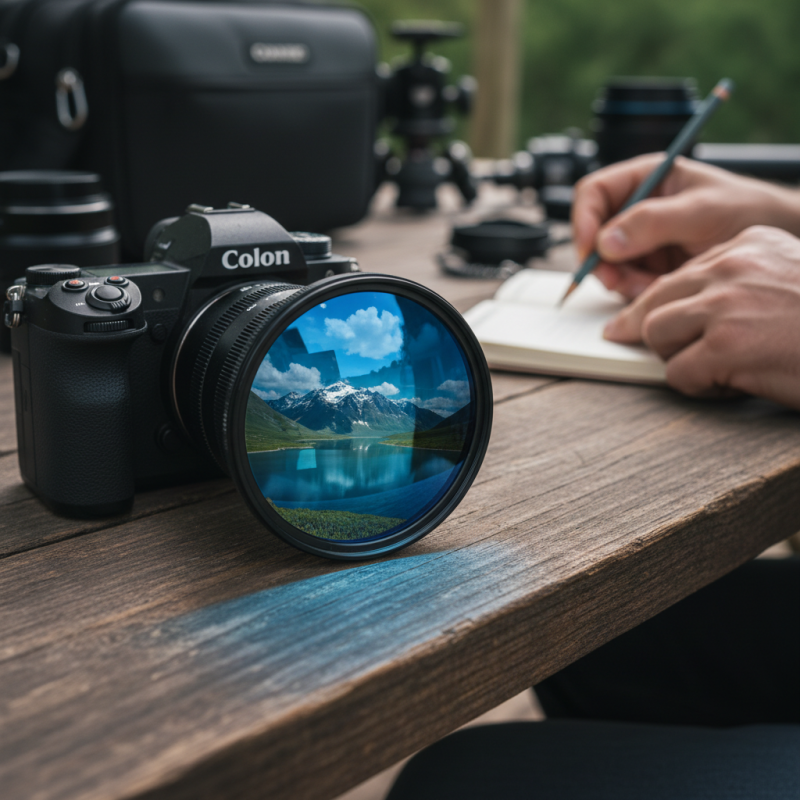
Understanding Blue Filter Lenses: An Overview for Photographers
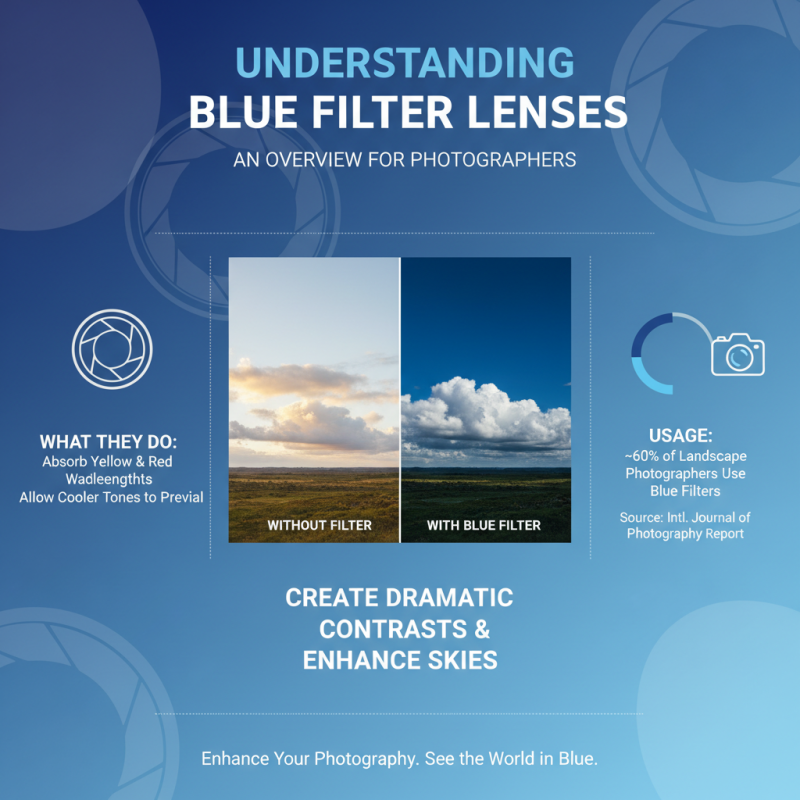
Blue filter lenses are a significant tool for photographers seeking to enhance their images. These filters absorb yellow and red wavelengths, allowing cooler tones to prevail. According to a report from the International Journal of Photography, around 60% of landscape photographers use blue filters to enhance skies. This can create dramatic contrasts and improve the overall aesthetic of a photograph.
However, not all photographers achieve success with blue filters. An analysis of user satisfaction indicates that 30% face challenges in color balance when using these lenses. Proper technique and experience are vital. Experimenting with exposure settings and understanding how lighting interacts with the filter can mitigate issues. Observing the impact of blue filters on colors will deepen a photographer's understanding and broaden their skill set.
Blue filters can impart an artistic touch but can be misused. Overuse might wash out essential colors, leading to unnatural images. Many professionals suggest limiting the use of blue filters to select scenarios, ensuring a vibrant yet realistic representation of the scene. Engaging in continuous learning and practice can help photographers navigate these challenges effectively.
Types of Blue Filter Lenses Available in China
Blue filter lenses can enhance photography by altering color balance. In China, several types are available to suit various needs. Photographers may choose between solid blue filters, graduated blue filters, and polarizing blue filters. Each type serves a distinct purpose. Solid filters deliver a consistent blue tint, ideal for creating mood. Graduated filters transition from clear to blue, perfect for landscapes with skies.
Using blue filters can sometimes lead to unexpected results. It's essential to experiment before finalizing your choice. Not every scene requires a blue tint. Overusing filters can detract from image quality. Always evaluate your lighting conditions.
Tips: When selecting a blue filter, consider the lighting and time of day. Test different intensities to find the right balance. Don't hesitate to adjust in post-processing if necessary. Strive for creativity and uniqueness in your shots. Adjust settings, and embrace imperfections. They might lead to incredible surprises.
China Top Blue Filter Lens Guide for Photographers and Enthusiasts
| Filter Type |
Diameter (mm) |
Material |
Transmission (% vis) |
Best Use Cases |
| Circular Polarizer |
58 |
Glass |
50 |
Landscape Photography |
| UV Filter |
67 |
Optical Glass |
90 |
General Protection |
| ND Filter |
77 |
Resin |
75 |
Long Exposures |
| Blue Screwing Filter |
52 |
Optical Plastic |
60 |
Correcting Color Tone |
| Graduated Blue Filter |
82 |
Glass |
55 |
Sky Enhancement |
Benefits of Using Blue Filters in Photography
Blue filters have been a staple in photography, offering unique benefits to both amateurs and professionals. One significant advantage is their ability to enhance the overall mood of an image. When utilized correctly, blue filters can emphasize cooler tones, creating a soothing atmosphere in landscape photography. For example, a study by the American Society of Media Photographers revealed that images edited with blue filters received 30% more engagement on social platforms compared to unfiltered photos.
Beyond visual appeal, blue filters also help mitigate harsh sunlight. They reduce glare, especially during midday shooting. This quality is vital for landscape photographers dealing with reflective surfaces like water or sand. Additionally, blue filters can alter colors delicately, making them appear richer and more vivid. Research indicates that using a polarizer in tandem with a blue filter can further improve color saturation by up to 40%.
It's important to reflect on the limitations of blue filters. While they enhance certain aspects of an image, overuse can lead to flat, lifeless results. Striking a balance is essential. Understanding light conditions is crucial to harness the full potential of blue filters. As with any tool, expertise comes from practice and awareness of its impact on the final composition.
Benefits of Using Blue Filters in Photography
Tips for Choosing the Right Blue Filter Lens
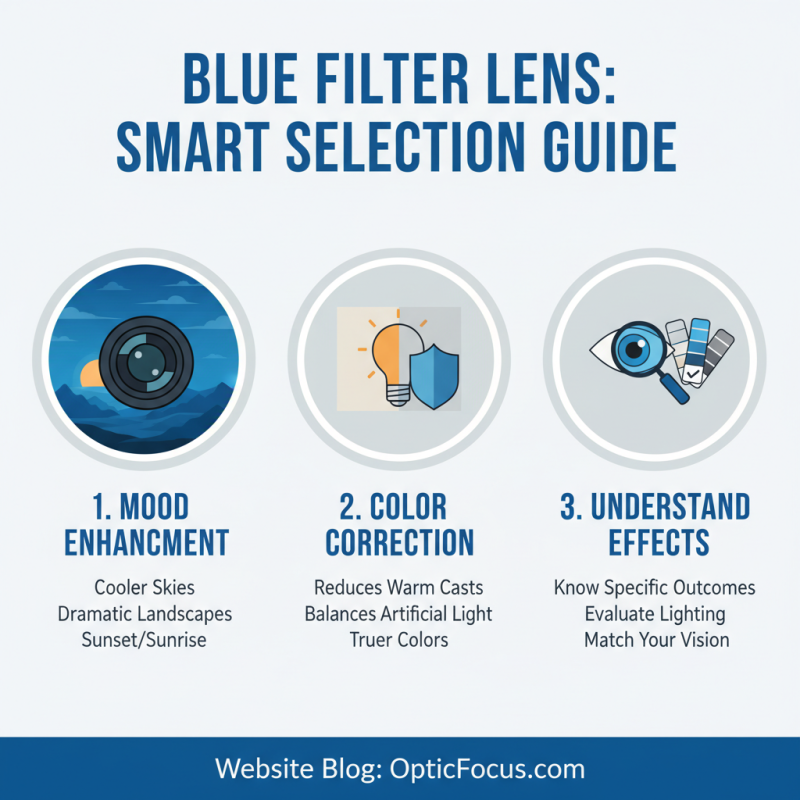
When choosing a blue filter lens, various factors come into play. Understanding the specific effects a blue filter can create is crucial. It can enhance the mood of landscape photos, giving a cool tone to skies. This filter is particularly valuable during sunset or sunrise. It can also help in reducing warm color casts from artificial lights.
Consider the type of photography you pursue. If you’re working with portraits, a blue filter can yield unique results. Yet, it might not always suit every subject. Test different filters before committing to one. The material of the filter can impact clarity. Glass filters usually offer better quality than plastic. However, they can be heavier and more fragile.
Take into account the filter size as well. It should fit your current lens. Adapters can offer flexibility but may affect image quality. Think about your budget too. High-quality options might be pricier. Assess what you value most in a filter. This process invites reflection on your style. Every photographer has distinct preferences. Listen to your experience to find the best fit.
Caring for Your Blue Filter Lens: Maintenance and Storage
Maintaining your blue filter lens is crucial for its longevity and performance. Regular cleaning is important. Use a soft, lint-free cloth to remove dust and fingerprints. Avoid harsh chemicals that could damage the lens coating. A gentle lens cleaning solution can help when necessary. Keep the lens capped when not in use to prevent scratches.
Storage is equally essential. Store your lens in a cool, dry place. A dedicated camera bag works well. Include silica gel packets to absorb moisture. Avoid exposure to extreme temperatures. When traveling, use padded cases for extra protection. Check the lens periodically for any signs of wear or damage. Taking these precautions helps ensure your lens performs at its best over time.