What is Polycarbonate Lenses and Why Are They Important?
Polycarbonate lenses have gained significant recognition in the eyewear industry due to their numerous advantages. These lenses are made from a high-performance thermoplastic, which is known for its durability and impact resistance. According to a report from the Optical Laboratories Association, polycarbonate lenses account for over 50% of prescription eyewear sold in the United States. This growing popularity speaks volumes about their importance.
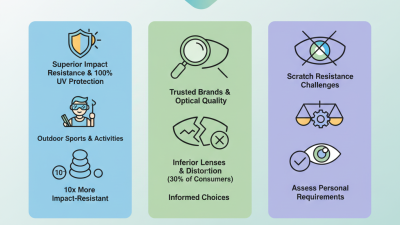
One key reason for the preference for polycarbonate lenses is their lightweight nature. Users enjoy the comfort of wearing glasses that do not add pressure on the nose or ears. Moreover, polycarbonate lenses provide 100% UV protection, as confirmed by research from the American Academy of Ophthalmology. This feature is essential in safeguarding eye health from harmful ultraviolet rays.
Despite their benefits, polycarbonate lenses are not perfect. They can scratch more easily compared to other materials, requiring additional coatings for better durability. This is a crucial aspect users must consider while choosing. Understanding these facets helps reinforce the importance of polycarbonate lenses in both daily wear and specialized applications.
What are Polycarbonate Lenses?
Polycarbonate lenses are a type of eyewear material known for their durability and lightweight properties. They are made from a thermoplastic material that is extremely impact-resistant.
Unlike traditional glass lenses, polycarbonate lenses offer a safer and more robust option for everyday eyewear. This makes them particularly important for people who lead active lifestyles or work in hazardous environments.
One of the key benefits of polycarbonate lenses is their ability to provide UV protection. Many lenses offer 100% UV blocking. This is crucial for maintaining eye health over long periods in the sun.
Polycarbonate is also thinner than regular plastic lenses, making it ideal for strong prescriptions. This helps reduce the overall weight of the glasses, enhancing comfort.
Tips: When selecting polycarbonate lenses, ensure they have an anti-scratch coating for added durability.
Consider choosing lenses with anti-reflective coatings to improve visual clarity. If you're unsure, consult with an eye care professional who can guide you in making the right choice.
Remember, investing in quality lenses can make a significant difference in your vision and eye safety.
The History and Development of Polycarbonate Lenses
The history of polycarbonate lenses dates back to the early 1960s. During this period, researchers discovered a polymer that was remarkably lightweight and impact-resistant. These characteristics quickly led to the adoption of polycarbonate in various applications, including eyewear. By the late 1970s, safety goggles made from polycarbonate were widely used in industrial settings, proving their effectiveness in protecting eyes from hazards.
Over the years, polycarbonate lenses gained popularity in prescription eyewear. Data from the Optical Industry Association indicates that over 60% of eyewear prescriptions now utilize polycarbonate material. This growth reflects the material’s superior characteristics over traditional glass. However, there are concerns regarding scratch resistance. Unlike glass lenses, polycarbonate lenses require an additional coating to enhance durability. This aspect often raises questions among consumers about long-term effectiveness.
Further advancements in manufacturing processes have fine-tuned polycarbonate lens production. Techniques such as hard coating and anti-reflective coating have improved lens performance. Nevertheless, occasionally, these coatings can impair clarity if not applied properly, leaving room for reflection on overall efficiency. Constant development and feedback are crucial for improving the reliability of polycarbonate lenses in everyday use.
Key Advantages of Using Polycarbonate Lenses
Polycarbonate lenses have gained recognition for their unique properties. They are made from a thermoplastic material, which makes them both lightweight and resistant to impacts. This impact resistance is a key advantage, especially for active individuals or those in safety-oriented professions. Unlike traditional lenses, polycarbonate offers additional protection against shattering.
Another notable feature is their UV protection. Polycarbonate lenses block harmful ultraviolet rays that can contribute to eye problems. This makes them an excellent choice for outdoor activities. Additionally, their lightweight nature enhances comfort, allowing users to wear glasses for extended periods without discomfort.
While polycarbonate lenses are beneficial, they can scratch more easily than glass lenses. It’s wise to consider anti-scratch coatings to improve durability. Some users may find that they require adjustments for optimal vision clarity. Embracing these lenses means weighing both their advantages and potential downsides. Users should assess their lifestyle needs to determine if polycarbonate lenses are the best fit.
What is Polycarbonate Lenses and Why Are They Important? - Key Advantages of Using Polycarbonate Lenses
| Advantage |
Description |
| Impact Resistance |
Polycarbonate lenses are highly resistant to impact, making them ideal for safety glasses and sports eyewear. |
| Lightweight |
They are lighter than traditional glass lenses, providing comfort for extended use. |
| UV Protection |
Polycarbonate lenses block harmful UV rays, protecting eyes from sun damage. |
| Scratch Resistance (with coating) |
Many polycarbonate lenses come with scratch-resistant coatings for added durability. |
| Optical Clarity |
They provide excellent optical clarity, essential for prescription lenses and visual acuity. |
Common Applications of Polycarbonate Lenses
Polycarbonate lenses are a popular choice in various industries due to their remarkable durability and impact resistance. Common applications of these lenses include eyewear, safety goggles, and sports visors. According to a report by the American Optometric Association, polycarbonate lenses can absorb up to 90% of harmful UV rays, making them ideal for outdoor use.
In the eyewear sector, polycarbonate lenses are about 10 times more impact-resistant than standard glass lenses. This makes them a preferred option for children and active individuals. They are lightweight, which increases comfort during prolonged wear. In safety equipment, polycarbonate's resilience is vital, especially in construction and industrial settings.
Tip: Always check for certifications that ensure lens durability. When purchasing polycarbonate lenses, consider the lens coating for added scratch resistance.
Sports enthusiasts benefit from polycarbonate lenses due to their lightweight nature. These lenses can withstand falls and rough conditions, protecting athletes' eyes during play. However, despite all these advantages, some may find them prone to scratching. Regular maintenance and proper storage are essential for maximizing their lifespan.
Tip: Use a microfiber cloth to clean lenses gently and avoid scratches. Remember to store your eyewear in a protective case when not in use.
Comparing Polycarbonate Lenses to Other Lens Materials
Polycarbonate lenses offer significant advantages over other lens materials. Made from a durable thermoplastic, they are not only lightweight but also highly impact-resistant. According to the American Academy of Ophthalmology, polycarbonate lenses provide up to 10 times more impact resistance than other lens types such as glass or standard plastic lenses. This makes them excellent for children and active adults.
When compared to high-index plastic lenses, polycarbonate is often more affordable and offers similar optical clarity. A 2021 report from Vision Council stated that nearly 60% of consumers prefer polycarbonate lenses for their combination of safety and comfort. These lenses also block 100% of harmful UV rays, which is crucial for eye health.
However, there are some drawbacks to consider. Polycarbonate can scratch more easily than harder materials like high-index plastic or glass, so proper care is essential. In addition, not everyone may find the optical quality of polycarbonate lenses as impressive as other premium materials. Users may need to reflect on their specific needs and lifestyle choices when selecting lens materials.
Comparison of Lens Materials: Polycarbonate vs. Others
Polycarbonate lenses are known for their high impact resistance compared to other lens materials. In this chart, we compare the impact resistance ratings of Polycarbonate lenses against Trivex, High-Index, Plastic, and Glass lenses on a scale of 1 to 10. Polycarbonate lenses score the highest, making them an excellent choice for safety eyewear.