Polycarbonate lenses have gained immense popularity in China for various reasons. These lenses are made from a durable and lightweight material that offers excellent impact resistance. Their unique features make them suitable for various activities, from sports to everyday wear.
Many people appreciate the scratch-resistant coating that often accompanies polycarbonate lenses. This coating adds an extra layer of protection, ensuring your glasses maintain clarity. Additionally, polycarbonate lenses provide UV protection, safeguarding your eyes from harmful rays. This quality is crucial in a country where pollution levels can impact eye health.
Choosing polycarbonate lenses can lead to a more comfortable visual experience. They can be customized to fit different prescriptions and preferences. However, it is essential to consider the cost factor and select a reputable supplier. This choice can make a difference in the quality of the lenses you receive. Adopting polycarbonate lenses is a decision that deserves thoughtful reflection.
Polycarbonate lenses are a popular choice for eye protection. They are known for being lightweight and impact-resistant. This makes them ideal for active lifestyles. Whether you're at the gym or enjoying outdoor sports, polycarbonate lenses offer safety without compromising comfort.
Another benefit is their UV protection. These lenses block harmful rays, reducing the risk of eye diseases. In sunny environments, UV-blocking is essential. Eye care experts recommend polycarbonate lenses for children and adults alike. Their durability is particularly crucial for children. Improper handling can lead to broken lenses. Using polycarbonate minimizes this risk.
However, there are considerations. Some users report scratch resistance issues. While coated options are available, not all types offer the same durability. It's important to choose wisely. Not every lens suits every need. Personal preferences and lifestyles should guide your choice. Adapting to unique demands ensures better protection.
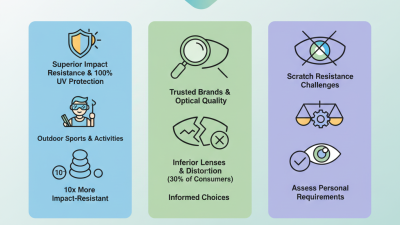
Polycarbonate lenses offer numerous benefits for eye protection, making them an excellent choice for a wide range of users. The data below illustrates the key advantages drawing from user preferences and feedback.
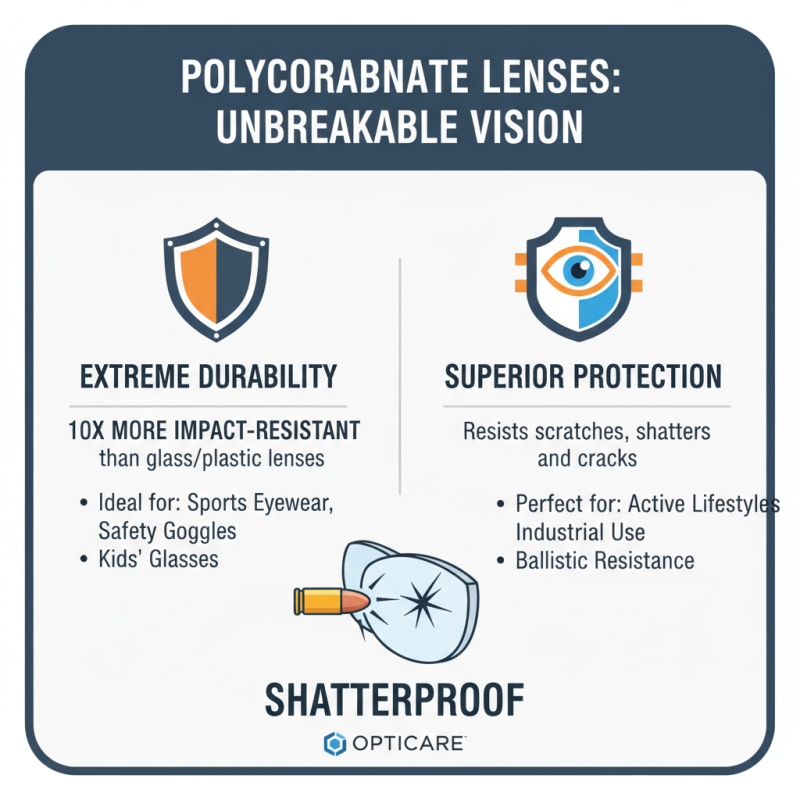
Polycarbonate lenses have gained significant traction in optical markets due to their exceptional durability and impact resistance. According to industry reports, polycarbonate lenses are up to ten times more impact-resistant than traditional glass or plastic lenses. This makes them a popular choice for eyewear, especially in environments where durability is crucial, such as sports or industrial settings.
The ability to withstand high-impact forces is a result of polycarbonate's unique molecular structure. This material absorbs impacts efficiently, reducing the risk of shattering. Reports indicate that polycarbonate lenses can endure impacts of up to 90% more force compared to standard lenses. This quality not only protects the wearer but also contributes to safer eyewear, as the reduced likelihood of lens breakage minimizes eye injury.
However, it’s essential to reflect on certain challenges. While polycarbonate lenses offer impressive resilience, scratch resistance can be an issue. Many lenses require additional coatings to achieve suitable scratch resistance. Users may need to invest in scratch-resistant treatments, which adds to overall costs. Therefore, while polycarbonate lenses excel in impact resistance, careful consideration is necessary to balance durability and maintenance.
Polycarbonate lenses are gaining popularity, especially in China. Their lightweight nature is one of the most appealing features. People often wear glasses for hours, so comfort is crucial. Polycarbonate lenses weigh much less than traditional glass or plastic lenses. This can make a significant difference for daily wearers.
In addition to being light, polycarbonate is remarkably durable. It resists scratches and offers excellent protection against impacts. This is essential for active lifestyles. Families with children benefit greatly from their resilience. However, some may worry about the lens's optical clarity. While they provide strong vision, it's important to examine lens quality carefully.
Comfort and safety should always be priorities. Wearing heavier lenses can lead to discomfort and headaches. Lightweight options help you feel relaxed and focused. Selecting polycarbonate can enhance your overall eyewear experience. Balancing comfort with performance is vital. Investing in good quality lenses pays off in the long run.
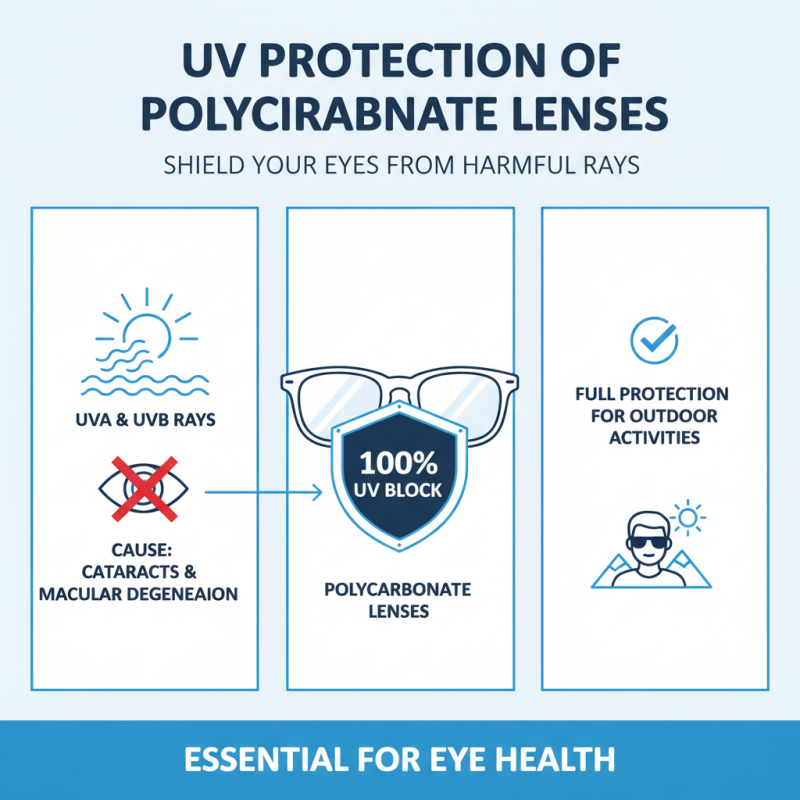
Polycarbonate lenses offer excellent UV protection, making them a popular choice for eyewear. The UV rays from the sun can cause significant harm to the eyes, potentially leading to long-term issues like cataracts or macular degeneration. Polycarbonate lenses block 100% of harmful UVA and UVB rays. This protective feature is vital for anyone spending time outdoors.
In addition to UV protection, polycarbonate lenses are lightweight and durable. They are less likely to shatter or break compared to glass or standard plastic lenses. This durability does not compromise comfort. Many users appreciate the balance between safety and wearability. Yet, some may find scratches appear more easily on polycarbonate, which can be a drawback. Regular maintenance and care can mitigate this issue.
Moreover, these lenses can enhance vision clarity without the heavy weight. This improvement may be crucial for professionals requiring prolonged use of eyewear. Although there are downsides, like lower scratch resistance, the overall benefits often outweigh the negatives. Investing in polycarbonate lenses is often seen as a wise choice for eye health and comfort.
Polycarbonate lenses are becoming increasingly popular in various facets of daily life. They are lightweight and highly impact-resistant. This makes them an ideal choice for individuals who lead active lifestyles. Sports eyewear is a common application, where durability is crucial. These lenses can withstand harsh conditions, reducing the risk of breakage while engaging in activities.
In addition to sports, polycarbonate lenses are also widely used in safety goggles and protective eyewear. Workers in industrial environments benefit greatly from this material. The lenses provide clarity and protection against flying debris or harmful substances. This versatility makes polycarbonate a valuable asset across different industries.
Yet, there are considerations to keep in mind. Some may find that polycarbonate lenses scratch more easily compared to other materials. It’s essential to handle them with care and invest in anti-scratch coatings. While these lenses are clear and lightweight, they may not offer the same optical clarity as glass lenses. Weighing the pros and cons is crucial for making an informed decision.
| Reason | Description | Common Applications |
|---|---|---|
| Lightweight | Polycarbonate lenses are significantly lighter than glass lenses, enhancing comfort. | Eyeglasses, safety goggles |
| Impact Resistance | These lenses are highly resistant to shattering and impact. | Sports eyewear, protective goggles |
| UV Protection | Polycarbonate lenses offer built-in UV protection, safeguarding eyes from harmful rays. | Sunglasses, safety eyewear |
| Scratch Resistance | Coatings are available to enhance scratch resistance for durability. | Regular glasses, outdoor sunglasses |
| Design Versatility | These lenses can be manufactured in various designs and configurations. | Fashion glasses, specialized eyewear |
| Optical Clarity | Provides excellent optical clarity for vision needs. | Prescription glasses, reading glasses |
| Cost-Effective | Generally more affordable than high-index or glass lenses. | Everyday eyewear |
| Chin-Long Wearability | Suitable for extended wear due to comfort and weight. | Contact lenses, sports goggles |
| Environmental Resistance | Resistant to heat and cold, making them ideal for various climates. | Outdoor glasses, safety gear |
| Customization | Can be tinted or coated to meet specific user needs. | Personalized eyewear, fashion statements |