2026 How to Choose the Best Blue Filter Lens for Your Camera?
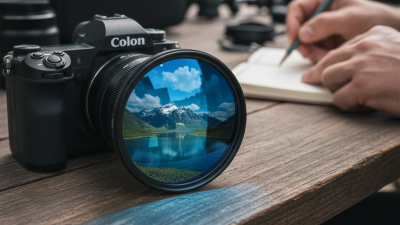
Choosing the right Blue Filter Lens for your camera is crucial for capturing vibrant images. These filters enhance color accuracy, especially in outdoor settings. According to a report by the Camera and Imaging Products Association (CIPA), 54% of photographers prioritize color correction when selecting accessories.
A Blue Filter Lens can reduce unwanted yellow tones, making it vital for landscape photography. Professional photographers often recommend these filters to improve overall image quality. However, selecting the right filter can be challenging. Not all lenses are created equal, and the market is filled with options.
Research indicates that an incorrect choice can lead to disappointing results. Many users report frustration with unwanted color casts. Thus, understanding the specifications and intended use of the Blue Filter Lens is essential. Engage in hands-on testing wherever possible, as personal preference plays a significant role.
Understanding the Purpose of Blue Filter Lenses in Photography
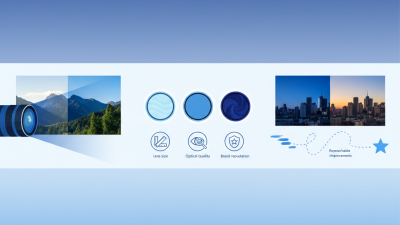
When diving into photography, understanding the purpose of blue filter lenses is essential. These filters can significantly enhance your images. They add a cool tone, making skies appear bluer and enhancing the overall color balance. This effect is particularly beneficial in landscape photography. It helps to create depth and contrast in your shots.
However, it's crucial to know when to use a blue filter. Excessive use can result in unnatural hues. Not every scene benefits from this filter. Certain lighting conditions may not require a color adjustment. It’s a process of trial and error. Experimentation can lead to discovering your unique style.
In addition, the quality of the blue filter matters. Not all filters perform the same way across different lenses. Some may cause vignetting or reduce sharpness. It’s vital to research and test various options. This ensures that the filter complements your vision rather than hinders it. Remember, photography is about conveying emotions and stories. Choose tools that support, not overshadow, your artistic intent.
Types of Blue Filter Lenses and Their Characteristics
When selecting a blue filter lens, it is crucial to understand the different types available. Each type has distinct characteristics that affect image quality. A polarizing blue filter reduces reflections and enhances color saturation. This can create vibrant landscapes. However, it may darken your overall image, so use it wisely.
Graduated blue filters are another option. These filters transition from clear to blue. They allow photographers to balance the exposure between the sky and the foreground. This technique is excellent for sunset or sunrise shots. However, achieving the right transition can be challenging. You might need several attempts to perfect the balance.
Neutral blue filters offer a different advantage. They maintain color fidelity while cooling the overall temperature of the scene. This can be beneficial in bright environments. Yet, relying on a neutral filter does not always yield a striking effect. It’s worthwhile to try different options. Refine your technique through experimentation.
Key Factors to Consider When Choosing a Blue Filter Lens
Choosing the right blue filter lens for your camera can greatly enhance your photography. Understanding the key factors is essential in making an informed decision. First, consider the lens size. It must fit your camera model perfectly to avoid vignetting or image quality loss. Measure your lens diameter for accurate fitting.
When it comes to filter density, you’ll need to choose one that suits your shooting conditions. A darker filter can produce striking effects in bright settings, while a lighter filter is useful for subtle color adjustments. Experimenting with different densities helps in understanding what works best for your style.
Tips: Always check the glass quality. Higher-quality filters reduce the risk of distortion. Avoid poorly made filters that can degrade image clarity. Another point to reflect on is budget. Sometimes, cheaper options can perform unexpectedly well. Prioritize which features matter most to you, and don’t shy away from trying various brands. This exploration can yield surprising results.
How to Match a Blue Filter Lens with Different Camera Types
Choosing the right blue filter lens depends on your camera type. Different cameras have unique characteristics that affect how they interpret color. For DSLR or mirrorless cameras, consider the sensor size and type. Larger sensors often require different filter thicknesses to achieve the desired blue hue.
If you use a compact camera, the dynamics change. These cameras have fixed lenses, so size compatibility is key. Look for filters that can easily attach without compromising image quality. Adapting larger filters to smaller lenses may introduce vignetting.
Film cameras also present unique challenges. They require an understanding of color balance and exposure. Using a blue filter can enhance certain aspects of a photograph. However, this might require trial and error to find the right settings. Each camera's exposure settings might not yield the same results with a blue filter. Experimentation may lead to both successful and disappointing outcomes.
2026 Best Blue Filter Lens Choices by Camera Type
Maintaining and Caring for Your Blue Filter Lens for Longevity
Maintaining your blue filter lens is crucial for enhancing its lifespan. Regular cleaning can prevent dust and smudges that negatively impact image quality. Use a microfiber cloth to wipe the surface gently. Avoid using harsh chemicals, as they might damage the filter. Instead, opt for a solution specifically designed for optical glass.
Storage matters too. When not in use, keep your filter in a protective case. This helps to shield it from scratches and physical damage. Be mindful of temperature changes; extreme heat or cold can affect the filter’s integrity. Regular inspection for signs of wear or damage is a good practice.
Consider the environment when shooting. A filter in a dusty area might require more frequent cleaning. Too much exposure to moisture can pose risks as well. Although blue filters can enhance cool tones, they may also introduce unwanted hues if not handled properly. Reflecting on these elements can lead to better photographic results and a longer-lasting filter.