Top Benefits of Polycarbonate Lenses for Eyewear and Safety Gear?
Polycarbonate lenses have transformed the eyewear and safety gear industries. These lenses are lightweight yet incredibly durable. They offer high impact resistance, making them ideal for both everyday glasses and protective eyewear.
Many people underestimate the importance of lens material. Polycarbonate lenses provide superior clarity and UV protection. Their ability to withstand shattering is crucial for safety gear in various environments. This means they are not only functional but also contribute to user comfort.
While polycarbonate lenses are advantageous, there are limitations to consider. Some may find scratches more visible compared to other materials. Regular maintenance is essential to prolong their lifespan. Overall, the benefits of polycarbonate lenses significantly outweigh their drawbacks, making them a smart choice for eyewear and safety applications.
Key Characteristics of Polycarbonate Lenses in Eyewear
Polycarbonate lenses are gaining popularity in eyewear due to their outstanding characteristics. They are lightweight and impact-resistant, making them ideal for daily wear and safety gear. This material can withstand significant force without shattering, which is essential for those in active or hazardous environments. Furthermore, polycarbonate lenses offer UV protection, safeguarding the eyes from harmful rays.
Another key feature is the optical clarity of polycarbonate. These lenses provide excellent vision while reducing distortion. However, some users may notice that they scratch easily without proper care. Using protective coatings can help, but this might add to the overall cost. It's essential to weigh these factors when choosing eyewear.
Durability is a significant advantage of polycarbonate. While they are robust, it’s crucial to remember that prolonged exposure to harsh chemicals can degrade the material. Regular cleaning with appropriate solutions is vital. Awareness of their limits can improve the longevity of your lenses. Polycarbonate lenses combine safety and style, appealing to a broad range of consumers.
Advantages of Polycarbonate Lenses for Vision Protection
Polycarbonate lenses are known for their exceptional strength and safety features. These lenses are made from a high-quality thermoplastic that's approximately 10 times more impact-resistant than regular glass. This makes them a popular choice for protective eyewear. According to recent industry reports, over 90% of safety glasses are fitted with polycarbonate lenses, highlighting their widespread adoption in various work environments.
In terms of vision protection, polycarbonate lenses offer built-in UV protection. Research shows that they block 99% of harmful ultraviolet rays. This is crucial for outdoor work or activities, as prolonged exposure to UV rays can cause serious eye conditions. Additionally, polycarbonate lenses are lightweight. Their reduced weight means less strain on the bridge of the nose, enhancing comfort for users. Yet, while their impact resistance is impressive, polycarbonate lenses can scratch more easily than glass. This vulnerability necessitates the use of anti-scratch coatings to optimize their lifespan.
Another consideration is optical clarity. Polycarbonate lenses provide good visual quality; however, they may exhibit some distortion at the edges. This can impact peripheral vision slightly. For individuals requiring extreme precision in vision tasks, this is a factor that deserves careful thought. Balancing comfort, safety, and clarity makes polycarbonate lenses an excellent option for many users, but awareness of their limitations is essential for informed choices.
Top Benefits of Polycarbonate Lenses for Eyewear and Safety Gear
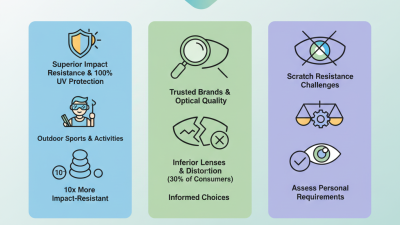
The chart above illustrates the top five benefits of polycarbonate lenses, emphasizing their significant advantages such as impact resistance, UV protection, and lightweight properties, making them ideal for eyewear and safety gear.
Impact Resistance and Durability of Polycarbonate in Safety Gear
Polycarbonate lenses are known for their exceptional impact resistance. They are an ideal choice for safety gear, including goggles and face shields. The material is lightweight yet strong, making it a practical option for various safety applications. In environments where falling objects and flying debris pose risks, polycarbonate can endure impacts better than traditional materials. This durability provides users with the confidence that their eyewear will protect them adequately.
In addition to impact resistance, polycarbonate lenses resist scratches and UV rays. These properties increase the lifespan of safety gear. However, while they offer numerous benefits, care is essential to maintain their clarity and effectiveness. Proper cleaning and storage can prevent scratches and cloudiness, which can compromise safety. Users should regularly inspect their gear for signs of wear or damage. This attention to detail enhances both safety and performance. Polycarbonate’s advantages are clear, but users must remain vigilant to ensure their equipment remains effective.
Lightweight Design: Comfort and Functionality of Polycarbonate Lenses
Polycarbonate lenses are a game changer in eyewear and safety gear. Their lightweight design contributes significantly to both comfort and functionality. When you wear eyewear for extended periods, weight can be a concern. Polycarbonate lenses are incredibly light, often much lighter than traditional glass or plastic options. This feature allows you to wear them longer without discomfort.
Another aspect is their durability. While being lightweight, polycarbonate lenses are also impact-resistant. They can withstand a significant amount of force, making them ideal for safety gear. However, ensuring they still provide adequate optical clarity is essential. Some might wonder if lighter materials compromise vision quality. But manufacturers often achieve a perfect balance.
That said, there's room for improvement in lens coatings and finishes. Some users report scratches more easily than expected. Regular customers should discuss this issue with manufacturers for better feedback. It's essential to stay informed about your lenses’ maintenance needs. Understanding which upkeep methods work best enhances the long-term wear of lightweight eyewear.
UV Protection and Enhanced Visual Clarity with Polycarbonate Lenses
Polycarbonate lenses are rapidly gaining popularity in eyewear and safety gear. One of the standout features is their UV protection. These lenses block harmful UV rays from the sun, which can lead to serious eye conditions over time. Moreover, they provide an essential layer of defense, particularly for those who spend extended hours outdoors.
When considering visual clarity, polycarbonate lenses exceed many expectations. They offer high-definition optics that enhance overall vision quality. This is crucial for activities like driving or outdoor sports. However, it’s essential to be aware that not all polycarbonate lenses are created equal. Some may not meet rigorous safety standards, warranting careful selection.
Despite their advantages, challenges remain. For instance, polycarbonate lenses can scratch more easily than glass options. While they are lightweight and impact-resistant, this vulnerability can raise concerns for durability. Users often need to invest in protective coatings to minimize wear and tear. Balancing these factors leads to a deeper understanding of polycarbonate lenses and their potential in eyewear solutions.