Why Choose Presbyopia Lens for Global Buyers?
Choosing a Presbyopia Lens is not simply a purchasing decision. It is a vision-care decision shaped by age, work, lifestyle, prescription, and local market expectations. Global buyers often compare lens design, material quality, coating durability, comfort, and supplier reliability. A lens used for reading invoices in Singapore may serve differently from one used for driving in Germany.
Ophthalmologist Dr. Daniel H. Chang has expressed a practical clinical principle: “The best presbyopia solution is the one that matches the patient’s visual priorities.” This idea supports careful product evaluation. Buyers should examine near, intermediate, and distance performance, not only the advertised add power. A warehouse manager may need clear labels at arm’s length. An office worker may value stable screen vision and reduced glare. Small details matter.
A dependable Presbyopia Lens supplier should provide traceable specifications, fitting guidance, quality documentation, and responsive after-sales support. Regional prescriptions and professional supervision also deserve attention. A lower price can look attractive, but it may hide inconsistent coatings or limited adaptation support. No lens is perfect. Some users need time to adjust, and others may still prefer separate reading glasses. That limitation matters.
This introduction will examine why global buyers choose Presbyopia Lens products, how performance should be assessed, and where purchasing decisions can fail. It will consider comfort, optical design, manufacturing consistency, and user experience. The discussion will not treat every market as identical. That would be convenient, but inaccurate. Real buyers need evidence, practical comparisons, and honest expectations before selecting a lens for long-term use.
What Are Presbyopia Lenses and How Do They Work?
Presbyopia lenses help people focus on nearby objects when reading vision becomes less clear.
Presbyopia is a common age-related change, not an eye disease. The natural lens inside the eye gradually loses flexibility. As a result, menus, phone screens, and small labels may look blurred at normal reading distance.
A presbyopia lens adds focusing power for close work.
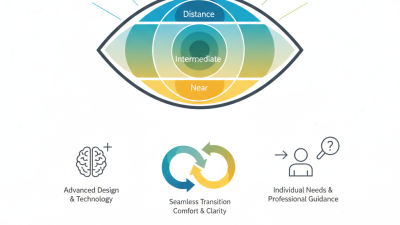
This helps light form a sharper image on the retina. Some lenses have one near-vision zone. Others combine distance, intermediate, and near zones. Progressive lenses change power gradually across the lens. Bifocal lenses use visible sections. Reading glasses provide near support but may not suit distance viewing. The best design depends on work habits, prescription needs, and daily comfort.
In practice, fitting matters as much as lens power.
Global buyers should provide an up-to-date prescription and accurate pupil measurements. An optician can check whether the frame sits correctly and whether the lens position matches the eyes. This is especially important for progressive designs. The first days may feel imperfect. Head movement can feel unfamiliar, and side vision may seem distorted. Most users adapt with regular wear, but not everyone adapts equally. I would not choose only by price. Sudden vision changes, headaches, or persistent discomfort deserve a professional eye examination.
What Benefits Do Presbyopia Lenses Offer Global Buyers?
Presbyopia lenses help global buyers manage blurred near vision without constantly changing between distance and reading glasses. They can support daily tasks such as checking a phone, reading product labels, and viewing a computer screen. For many users, this convenience reduces interruptions during work and travel. Small improvements matter.
In clinical practice, lens selection depends on age, prescription, working distance, and visual habits. A properly fitted lens may provide smoother transitions between near, intermediate, and far vision. This is valuable for buyers serving different markets, because customers often expect comfort across varied environments. Clear fitting guidance, accurate measurements, and reliable quality checks also help reduce returns and complaints.
Presbyopia lenses are not perfect for everyone. Some wearers need time to adapt, especially when moving between bright outdoor light and dim indoor spaces. Others may notice reduced sharpness during detailed tasks. Global buyers should therefore request professional recommendations, material information, and realistic performance data before purchasing. Packaging clarity and multilingual instructions can improve user confidence. However, marketing claims still need careful review. A lens that works well for one customer may feel unsuitable for another.
How Should Buyers Compare Presbyopia Lens Types and Quality?
Presbyopia lenses vary widely, so global buyers should compare design, measurements, and quality evidence rather than price alone. Single-vision reading lenses suit close tasks, while bifocals provide two clear zones. Progressive lenses offer distance, intermediate, and near vision without visible lines. Occupational designs can work well for office screens but may not suit driving. The right choice depends on daily habits, prescription strength, frame size, and fitting accuracy. Small measurement errors can cause noticeable blur or discomfort.
Quality is more than lens material. Buyers should check optical clarity, surface durability, UV protection, coating performance, and consistency between samples. Ask for technical specifications and independent test reports where available. Reliable suppliers should explain production tolerances, inspection procedures, and replacement policies. Local regulations also matter. Documentation may differ between markets. A professional optician’s fitting advice remains valuable, especially for progressive lenses. Online comparison alone is not enough.
Tips: Request a sample before placing a large order. Test vision at reading distance, computer distance, and across a room. Check for distortion near the lens edges. Compare the same prescription across different materials. Review after-sales support in your destination market. Be careful with unusually low prices; they may reflect weaker coatings or limited inspection. Still, price is not perfect proof of quality either. This is where buyers should pause, ask questions, and verify the details.
What Factors Influence Presbyopia Lens Selection and Purchase?
Why Choose Presbyopia Lens for Global Buyers?
What Factors Influence Presbyopia Lens Selection and Purchase?
Presbyopia lens selection starts with the wearer’s daily visual tasks. A person reading invoices needs different support from someone using a laptop all day. Age matters, but it is not the only factor. Existing prescriptions, astigmatism, eye dominance, and working distance also influence lens performance. Accurate refraction is essential. Even a small measurement error may cause discomfort.
Lens design strongly affects adaptation. Progressive lenses provide multiple viewing zones, while office lenses prioritize near and intermediate distances. Reading lenses can work well for fixed tasks, but they offer less flexibility outdoors. Frame size and fitting height must match the chosen design. Poor alignment may create blurred edges or unnecessary head movement. It can happen.
Global buyers should examine material quality, coating durability, UV protection, and documented compliance with applicable market standards. Climate also matters. Humid regions may require stronger coating performance, while dusty environments demand easy cleaning. Buyers should request clear prescription records, fitting guidance, warranty terms, and replacement procedures. Reliable suppliers explain these details before purchase, not after a complaint.
Price remains important, but the lowest quote may hide limited customization or weak quality control. A practical mistake is comparing lens prices without comparing measurements and service. Adaptation time should also be discussed honestly. Some wearers adjust within days; others need professional refinement. No single lens design suits everyone.