What Are the Top 10 Types of Progressive Lenses?
Choosing the right Progressive Lenses can feel confusing, especially when every design promises sharper vision. This guide examines the top 10 types and explains where each option may fit daily life. It considers prescription strength, reading habits, screen use, frame size, and visual comfort. These details matter more than marketing language.
An experienced optician usually begins with a careful eye examination and precise measurements. They may ask whether you read books, drive at night, or work under bright office lights. A photographer, for example, may need stable distance vision while checking a small camera screen. A frequent traveler may value a wider intermediate zone for maps and digital displays. Each lens design balances clear zones, peripheral distortion, adaptation time, and price.
The guide will compare conventional, occupational, digital, premium, and personalized Progressive Lenses. It will also discuss corridor length, lens materials, coatings, and fitting accuracy. These features can change how naturally your eyes move between distances. However, no lens works perfectly for everyone. Even premium designs may require adjustment. That part is easy to overlook.
Reliable recommendations should come from an eye-care professional who reviews your prescription and visual priorities. Product names can differ between manufacturers, so comparisons need careful interpretation. This overview offers practical context, not a replacement for professional advice. Your comfort, safety, and actual routine should guide the final choice.
What Progressive Lenses Are and How Their Designs Differ
What Are the Top 10 Types of Progressive Lenses?
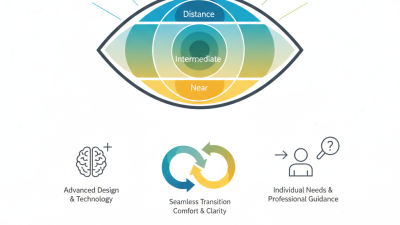
Progressive lenses correct distance, intermediate, and near vision without visible lines. Their designs differ through corridor length, reading-zone width, personalization, and intended use. The ten common types are standard, digital free-form, personalized, short-corridor, occupational, office, anti-fatigue, high-addition, prism, and myopia-control progressives. These categories overlap. That is inconvenient, but important.
Standard progressives use a general design for everyday wear. Digital free-form lenses calculate the surface with computer-controlled precision. Personalized designs use measurements such as fitting height, pantoscopic angle, and vertex distance. Short-corridor lenses fit smaller frames, though their near zones may feel tighter. Occupational and office designs favor intermediate distances, such as a monitor across a desk. They are usually unsuitable for driving. Anti-fatigue designs add limited near support for sustained screen work. High-addition designs manage stronger near prescriptions. Prism progressives address selected binocular-vision needs. Myopia-control progressives are specialized and require clinical assessment.
The World Health Organization’s World report on vision estimates that at least 2.2 billion people have near or distance vision impairment globally. Its findings reinforce why accurate refraction and fitting matter, not merely lens selection. The Vision Council’s consumer research has reported that roughly three in four U.S. adults use vision correction. Comfort therefore affects a large population, not a niche audience. In practice, adaptation depends on prescription strength, frame fit, posture, and expectations. A wider reading zone may reduce head movement. It may also increase peripheral blur. No design wins every situation. Fitting errors remain an underappreciated cause of dissatisfaction.
Specialized Progressive Lenses for Work, Driving, and Digital Screens
What Are the Top 10 Types of Progressive Lenses?
Progressive lenses are not one-size-fits-all. The top ten types include general-purpose, occupational, computer, driving, indoor, outdoor, anti-fatigue, high-addition, short-corridor, and prism progressives. Each design places clear vision at different distances. General-purpose lenses support daily tasks, while occupational lenses provide a wider intermediate zone for desks, workshops, and office movement.
Computer progressives help with monitors, keyboards, and nearby documents. Driving progressives usually emphasize distance vision, dashboard clarity, and a smoother transition between zones. Outdoor designs may support changing light and wider viewing areas. Short-corridor lenses suit smaller frames, but their viewing zones can feel narrower. High-addition and prism designs require careful measurements and professional assessment. A licensed eye-care professional should confirm whether these options match your prescription, posture, and working distance.
Tips: Measure your actual screen distance, not an assumed one. Keep the monitor slightly below eye level. For driving, test new lenses in familiar daylight before using them at night. Clean lenses often, because small smudges become distracting on bright screens. No lens solves every visual problem. I have seen people choose occupational lenses for driving, then struggle with distant signs. That choice seems reasonable, but it is not always practical. Recheck the fit if you tilt your head or search for a clear spot.
What Are the Top 10 Types of Progressive Lenses?
Specialized progressive lenses are designed around different visual tasks, from far-distance driving to close-up reading and digital-screen work.
The chart compares the typical primary viewing distance associated with each lens category. Reading distances are commonly around 35–50 cm, digital screens around 50–80 cm, room-distance tasks around 1–3 m, and driving or outdoor viewing at approximately 6 m or farther. These are representative task distances, not clinical performance ratings.
Advanced Progressive Lenses with Personalized and Freeform Designs
What Are the Top 10 Types of Progressive Lenses?
Among the ten common progressive lens categories, advanced personalized and freeform designs offer the most adaptable approach. They are calculated from prescription power, pupillary distance, fitting height, frame shape, and wearing habits. Instead of using one standard design, digital software maps the lens surface point by point. This can create smoother transitions between distance, intermediate, and reading vision.
Personalized lenses may suit people who spend hours switching between a laptop, dashboard, and phone. Freeform designs can also improve peripheral clarity, especially when the frame has a curved shape. During a professional fitting, the optician should check how the frame sits on your face. A few millimeters can affect reading comfort. Precise measurements matter.
Real-world comfort still depends on adaptation. Even advanced lenses may feel unfamiliar during the first few days. Side blur cannot always disappear completely. Some wearers need a wider reading zone, while others prefer stronger distance stability. An eye-care professional should review your prescription, visual tasks, posture, and previous lens experience before recommending a design. I have found that rushed measurements often create more problems than the lens technology itself. That assumption deserves reconsideration. Clear communication remains essential, because a highly customized lens cannot compensate for an outdated prescription or a poorly adjusted frame.
How to Compare the Top 10 Progressive Lens Types for Your Needs
How to Compare the Top 10 Progressive Lens Types for Your Needs
The top 10 progressive lens types serve different visual habits. Standard progressives offer distance, intermediate, and reading zones at a moderate cost. Premium and personalized free-form designs use digital measurements for smoother transitions. Short-corridor lenses fit compact frames, but their zones may feel narrower. Occupational lenses favor desk work rather than full-day driving. Office and computer progressives provide wider middle and near areas. They are not ideal for walking outdoors. High-index progressives reduce thickness for stronger prescriptions. Photochromic lenses darken in sunlight, while polarized progressives reduce glare near roads or water. Anti-fatigue designs add mild near support for sustained screen use.
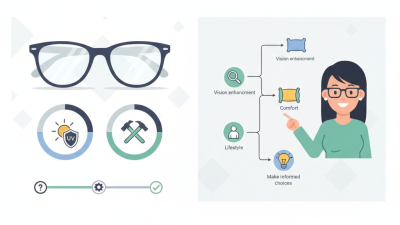
Compare the lens types against your routine, prescription, frame, and budget. Ask how many hours you spend reading, driving, or viewing a monitor. A person who checks spreadsheets at 60 centimeters needs different intermediate coverage than someone reading at 35 centimeters. Your optician should measure fitting height, pupillary distance, frame angle, and vertex distance. Small measurement errors can create swimming sensations or blurred edges. The best design is not always the most expensive one.
Adaptation also matters. Most wearers need several days to practice natural head movement. Turn your head toward a side object instead of relying only on your eyes. Some people adapt quickly. Others need a revised fit or prescription check. Even carefully selected lenses can disappoint when the frame slips down the nose. I would compare real wearing conditions, not only laboratory features, because comfort can change by evening. A trial period helps, though it cannot replace a thorough eye examination.