Top 10 Uncoated Lens Suppliers in China for Global Buyers?
The "Uncoated Lens" market in China is evolving rapidly. Global buyers are increasingly interested in sourcing high-quality uncoated lenses from reliable suppliers. As noted by Dr. Emily Chen, a leading expert in optics, "The uncoated lens industry holds significant potential, yet it requires careful evaluation."
China boasts several suppliers who specialize in this niche, each with unique offerings. Choosing a supplier involves more than just price considerations. Buyers must assess product quality, customer service, and delivery reliability. A thorough understanding of these factors can lead to successful partnerships.
The landscape is competitive, and subpar manufacturers exist. Therefore, vigilance is crucial. While many suppliers claim excellence, not all meet the standards. Buyers must remain critical and reflective about their choices in the uncoated lens market. This diligence will pave the way for better purchasing decisions in the long run.

Overview of the Global Uncoated Lens Market
The global uncoated lens market is expanding rapidly, driven by several factors. According to a recent report by Market Research Future, the market is expected to reach $2.5 billion by 2025, with a compound annual growth rate (CAGR) of 5.2%. The demand comes largely from sectors like photography, healthcare, and industrial applications. These lenses are valued for their simplicity and cost-effectiveness, making them a popular choice in many applications.
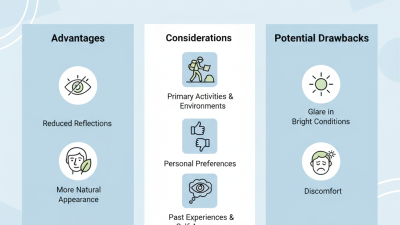
When choosing uncoated lenses, buyers should consider the optical clarity and durability. Uncoated lenses tend to have higher levels of glare and reflections, impacting performance. For applications in bright conditions, this can be a significant drawback. Buyers must evaluate their specific needs carefully.
Tips: Always request samples to test before bulk orders. This will help assess performance in real-world conditions. Consider collaborating with suppliers for custom solutions. Diverse lenses might fit various specifications better. Ensure that quality certifications are in place, as they reflect the reliability of the supplier. Monitoring market trends will provide insights into future needs and innovations in lens technology.
Criteria for Selecting Top Lens Suppliers
When selecting top uncoated lens suppliers in China, several criteria should guide global buyers. Quality assurance is paramount. Look for suppliers who implement strict quality control measures. Reports indicate that around 65% of lens failures arise from poor manufacturing practices. It's essential to verify production processes and quality certifications.
Pricing is another important factor. Costs can vary significantly among suppliers. However, don’t be swayed by the lowest priced options. Price should not compromise quality. Understand the market average, which currently ranges between $5 to $20 per unit, depending on specifications.
It's wise to consider the supplier's capacity and reliability. Their ability to meet production demands is crucial. In recent analytics, 40% of suppliers fell short on delivery schedules. Conducting site visits or audits can help assess their capabilities.
**Tip:** Engage with suppliers who provide transparent communication. A responsive supplier often indicates reliability.
Another consideration is the supplier's technological expertise. Their access to the latest manufacturing technology can enhance lens performance. Be wary if a supplier lacks innovation in their processes. Data suggests that firms investing in new technologies see a 30% increase in efficiency.
**Tip:** Ask about their R&D capabilities. This can provide insight into their long-term viability.
Top 10 Uncoated Lens Suppliers in China for Global Buyers
| Rank |
Supplier Type |
Annual Turnover (in USD) |
Main Products |
Export Percentage |
Years in Business |
| 1 |
Manufacturer |
$10M |
Uncoated optical lenses |
80% |
15 |
| 2 |
Supplier |
$8M |
Uncoated camera lenses |
70% |
10 |
| 3 |
Manufacturer |
$9M |
Optical components |
75% |
12 |
| 4 |
Supplier |
$7M |
Uncoated magnifying lenses |
65% |
8 |
| 5 |
Manufacturer |
$6M |
Uncoated lens assembly |
90% |
20 |
| 6 |
Supplier |
$5M |
Uncoated spectacle lenses |
85% |
5 |
| 7 |
Manufacturer |
$4M |
Uncoated plano lenses |
60% |
7 |
| 8 |
Supplier |
$3M |
Uncoated cylindrical lenses |
55% |
4 |
| 9 |
Manufacturer |
$2M |
Uncoated convex lenses |
65% |
3 |
| 10 |
Supplier |
$1M |
Uncoated concave lenses |
50% |
2 |
Leading Uncoated Lens Manufacturers in China
China has become a significant player in the global uncoated lens market. Many manufacturers here offer a diverse range of lenses for various applications. The country’s strong production capabilities contribute to high-quality outputs at competitive prices. Global buyers highlight factors like material sourcing and precision manufacturing as critical to their selection process.
Among the leading uncoated lens manufacturers, some emphasize advanced technology and skilled labor. These aspects ensure that the lenses meet international standards. Buyers must consider not only pricing but also reliability and service levels when selecting suppliers. There are certainly instances where quality can vary, prompting buyers to conduct thorough assessments before final decisions.
Sustainability practices also play a role in supplier selection. Some manufacturers are making strides in eco-friendly production. However, not all suppliers prioritize these practices. It's essential for buyers to inquire about environmental policies during product sourcing. Alongside quality, these considerations will shape a buyer’s experience in the uncoated lens marketplace.
Comparative Analysis of Supplier Offerings
The uncoated lens market in China is vast and varied. Recent reports estimate that the market size reached approximately USD 1.2 billion in 2022. The demand continues to grow, with a projected annual growth rate of 5.6% through 2026. Suppliers in China are responding to global demands with a range of offerings, from basic lens products to more specialized optical solutions.
Comparative analyses show significant differences in quality and pricing among suppliers. Some manufacturers focus on cost-effectiveness, providing basic uncoated lenses that meet essential standards. Others invest in advanced manufacturing techniques, resulting in higher-quality lenses that further enhance optical performance. The variation often leads buyers to question which lens suppliers truly offer the best value for money. Quality certifications play a crucial role here, with ISO certification being a common requirement among trustworthy suppliers.
However, buyers often report inconsistencies in product quality. Some lenses may not meet the advertised specifications, leading to dissatisfaction. It's important for global buyers to conduct thorough due diligence before engaging with suppliers. This process can include requesting samples for testing and verifying past client feedback. Relying solely on online reviews can be misleading, thus personal recommendations might provide better insights into supplier reliability.
Future Trends in the Uncoated Lens Industry
The uncoated lens industry is evolving rapidly. Advances in technology and demand for quality optics shape its future. Manufacturers are focusing on producing lightweight materials with better durability. This trend may result in innovative products that enhance user experience. Regional suppliers are vital for global buyers seeking quality uncoated lenses.
Tips: When researching suppliers, focus on their material sourcing and production methods. Understanding their processes can inform your purchasing decisions. Transparency in these areas often indicates a reliable supplier.
Sustainability is also becoming a priority. Many manufacturers are exploring eco-friendly materials. This movement reflects growing environmental awareness among consumers. As the market shifts, expect more suppliers to adopt such practices.
Tips: Evaluate suppliers based on their sustainability initiatives. A commitment to the environment can enhance your brand’s image and attract eco-conscious customers. Engaging with suppliers who prioritize sustainability can lead to long-term partnerships.