What Are the Top Types of Presbyopia Lenses?
Presbyopia Lens choices can seem confusing, especially when small print becomes blurred at arm’s length. This age-related focusing change often appears around the mid-forties, although timing differs between individuals. Dr. Mark Rosenfield, a respected vision scientist and optometry professor, describes presbyopia as “the gradual loss of the eye’s ability to focus on near objects.” That simple explanation matters. It shows why one lens design cannot suit every wearer.
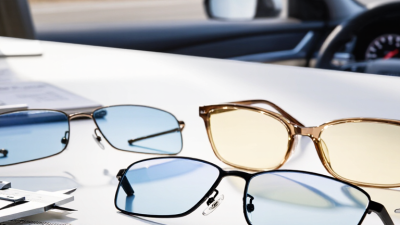
The main options include single-vision reading lenses, bifocals, trifocals, progressive addition lenses, occupational lenses, and multifocal contact lenses. Each design solves a different visual problem. Reading glasses provide clear near vision, but they leave distance vision uncorrected. Bifocals create a visible division between viewing zones. Progressive lenses offer a smoother transition, although their side areas may feel distorted during adaptation. Occupational lenses can make a computer screen and desk documents clearer, but they are rarely suitable for driving.
A reliable fitting process should consider prescription strength, working distance, posture, screen height, eye health, and daily habits. An experienced optometrist also checks binocular vision and explains realistic adaptation expectations. No lens is perfect. Some recommendations may need revision after real-world use. A wearer might notice blur while turning the head, glare beneath office lights, or difficulty finding the intermediate zone. These details should not be dismissed. They provide useful feedback for refining the Presbyopia Lens selection. The best choice is not always the most advanced design. It is the lens that supports clear, comfortable vision across the wearer’s actual routine.
Understanding Presbyopia and How Corrective Lenses Work
What Are the Top Types of Presbyopia Lenses?
Presbyopia is an age-related change in the eye’s focusing ability. The natural lens becomes less flexible, making close text appear blurred. Many people notice this while reading a phone at arm’s length. Small print becomes tiring.
A major global analysis in Ophthalmology estimated that 1.8 billion people had presbyopia in 2015. About 826 million experienced vision impairment from uncorrected presbyopia. The same study projected more than 2 billion cases by 2030. These figures show why accurate near-vision care matters.
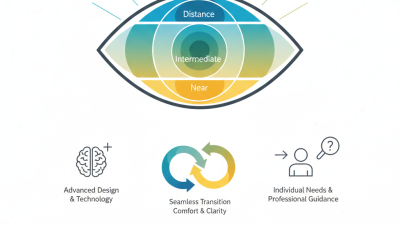
Reading lenses help with close tasks, such as books or sewing. Bifocals combine distance and near prescriptions in two visible zones. Progressive lenses provide gradual correction across distance, intermediate, and near vision. Occupational lenses emphasize computer screens and desk work. Multifocal contact lenses offer another option, although night glare or reduced contrast can occur.
An eye examination should measure distance vision, reading needs, focusing ability, and eye health. The right lens depends on work habits, posture, lighting, and daily distances. A screen-heavy worker may need different support than an avid reader. A perfect first pair is not guaranteed. Some wearers need adjustment time, and some prescriptions require refinement. Regular examinations remain important because blurred vision may reflect more than presbyopia.
What Are the Top Types of Presbyopia Lenses?
Presbyopia lenses differ mainly in the viewing distances they correct. This chart compares the optical zones typically provided by common lens types: distance, intermediate, and near vision.
A value of 1 indicates that the lens type typically provides a dedicated correction zone for that viewing distance; 0 indicates that it generally does not. Individual prescriptions and lens designs may vary.
Comparing the Main Types of Presbyopia Lenses
Presbyopia lenses differ mainly in how they distribute viewing distances.
The World Health Organization reported about 1.8 billion people had presbyopia in 2015. Nearly 826 million had unaddressed near-vision impairment. The need is widespread.
Single-vision reading lenses
offer a clear, inexpensive near zone. They work well for books, labels, and phones, but distance becomes blurred when the wearer looks up. Bifocal lenses add a visible distance segment, creating two fixed zones. They are practical, yet the image may “jump” when the gaze crosses the line.
Trifocals
add an intermediate zone for dashboards or computer screens, although the segments remain noticeable. Progressive lenses blend distance, intermediate, and near correction without visible lines. They support frequent transitions, but narrow side zones can cause blur or a mild swaying sensation.
Occupational lenses prioritize computer and desk distances, making them comfortable for long screen sessions. They are less suitable for driving. Multifocal contact lenses keep the face natural and provide several focal powers, but contrast may drop, especially in dim rooms.
The IAPB Vision Atlas also identifies uncorrected presbyopia as a major global vision-care gap. That context matters. The most advanced design is not automatically the best choice. Personal work habits, lighting, prescription strength, and adaptation should guide selection. Even experienced wearers may need adjustments; lens fitting is not perfectly predictable. A qualified eye-care professional should measure refraction and discuss realistic compromises.
Exploring Bifocal and Trifocal Lens Designs
What Are the Top Types of Presbyopia Lenses?
Bifocal and trifocal lenses remain practical designs for presbyopia correction. Bifocals provide two viewing zones: distance and near. A visible segment often sits at the lower lens area. Trifocals add an intermediate zone for tasks like computer work. This extra channel can reduce repeated head movement between a monitor and printed pages. The choice depends on working distance, posture, prescription, and adaptation tolerance. It is not simply an age-based decision.
The World Health Organization’s World report on vision estimated that at least 2.2 billion people had vision impairment in 2019. A 2015 systematic review in the Lancet Global Health estimated 1.8 billion people had presbyopia worldwide. These figures show the scale, but they do not identify one ideal lens design.
Bifocals may feel clearer for reading, yet the abrupt image transition can distract new wearers. Trifocals offer more flexibility, although their narrower zones may demand accurate fitting. Small measurements matter.
Real-world experience also exposes an uncomfortable detail. Some users prefer simple bifocals after testing trifocals. Others struggle with both designs because their daily tasks change constantly. Eye care professionals should assess visual habits, frame position, and intermediate demands before recommending a lens. The data supports access, not automatic prescriptions. Even careful fitting can require adjustment.
Choosing the Right Presbyopia Lens for Daily Needs
What Are the Top Types of Presbyopia Lenses?
Choosing the Right Presbyopia Lens for Daily Needs
Presbyopia changes how the eyes focus on nearby text. The best lens depends on work, hobbies, posture, and visual priorities. An eye examination should guide this choice, especially when headaches or blurred vision appear. A licensed eye-care professional can also check for other causes of changing vision.
Reading glasses suit occasional close work, such as checking a menu or threading a needle. They are simple and affordable, but they do not correct distance vision. Computer lenses support an intermediate range. They can reduce neck strain for people who spend hours at a screen.
Bifocal and trifocal lenses offer clear zones at set distances. Some wearers appreciate their predictable design. Others dislike the visible lines or abrupt image changes.
Progressive lenses provide gradual focus across distance, intermediate, and near vision. That makes them practical for walking, driving, reading, and conversations. However, peripheral blur can take time to manage.
Contact lenses with near-vision correction may suit active users. They require careful fitting, healthy eyes, and realistic expectations.
Not perfect immediately.
A careful wearer should return for adjustment if stairs seem distorted or print remains unclear. Small prescription changes matter. Tell the clinician about screen distance, lighting, and the moments when vision fails. A lens that seems ideal in the examination room may feel different during a busy day.