Top 10 Driver Lens Options for Global Buyers in 2026?
In the rapidly evolving world of optics, the "Driver Lens" industry plays a crucial role in enhancing visual experiences. Industry expert Dr. Emily Chen has stated, “The next generation of Driver Lenses will redefine clarity and performance for drivers worldwide.” Her insights reflect the significant innovations expected by 2026.
As global demand for enhanced driving safety grows, the selection of Driver Lens options is becoming increasingly critical. Factors such as material, coating technology, and customization will influence buyers' choices. Each lens type serves unique needs, from sunglasses to prescription lenses, impacting visibility and driving comfort.
However, there is an ongoing challenge in balancing quality and affordability. Many consumers are eager for advanced options but may struggle to find products within their budget. Furthermore, not all lenses are created equal; some may not provide the promised benefits. Reflecting on these aspects can lead to more informed purchasing decisions.

Emerging Technologies in Driver Lens Design for 2026
Emerging technologies in driver lens design are shaping the future of optics. In 2026, smart lenses with augmented reality capabilities are becoming a reality. These lenses have sensors that analyze surroundings in real-time. Reports estimate that the global driver lens market will grow significantly, reaching a value of approximately $7.3 billion by 2026. Enhanced visibility features are crucial for modern drivers.
Advanced materials will also play a crucial role. Lenses made from lightweight composites provide better durability. Simulations show that these materials reduce glare and improve scratch resistance. Furthermore, 3D printing technology allows for precision customization. This offers potential users tailored solutions for their specific needs. Data suggests that personalized products will grow by 30% in demand.
However, not all innovations are perfect. Some smart lens technologies may face challenges with battery life and user adaptation. As the industry evolves, addressing these shortcomings is vital. Keeping all stakeholders informed about potential drawbacks can foster trust. Continuous feedback loops will be necessary to refine these technologies further.
Top Features to Consider When Choosing Driver Lenses
When selecting driver lenses, several key features can significantly impact the user's experience. First, consider lens material.
Polycarbonate lenses are lightweight and impact-resistant. However, they may scratch more easily than glass alternatives. The balance between durability and clarity is essential. According to recent industry reports, over 70% of drivers prefer lenses that enhance clarity while reducing glare.
UV protection is another critical feature. Prolonged exposure to UV rays can harm eyes. Choosing lenses with a UV400 rating provides maximum protection. This feature is particularly vital for drivers, as increased sun exposure occurs during long trips. Furthermore, photochromic lenses can adapt to changing light conditions, enhancing visibility without needing to switch pairs.
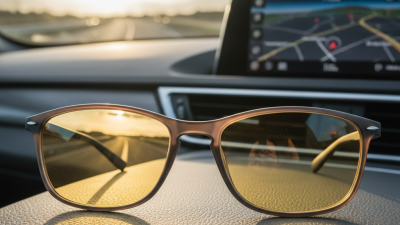
Tips for selecting driver lenses include assessing the lens tint. A gray tint can reduce overall brightness. Conversely, brown tints enhance contrast, which is beneficial in variable lighting.
It's also worthwhile to test different lens designs in various environments. Sometimes, experienced users realize that what works best is not always intuitive. Customization may be key. Many lenses offer options for personalized fitting, which can create a more comfortable driving experience. Remember, the best choice often lies in balancing personal preferences with technical features.
Market Trends Influencing Driver Lens Options Globally
The driver lens market is evolving rapidly. In 2026, global trends will shape choices for buyers. A recent report by a leading optical industry analyst noted that the demand for lightweight and durable materials is rising. This shift reflects buyers' desire for enhanced performance and comfort during long hours of driving.
Innovations in lens technology are driving growth. For example, anti-reflective coatings are becoming the standard. Research suggests that lenses with this feature can reduce glare by up to 50%. Additionally, adaptive lenses that change tint based on light exposure are gaining traction. They provide convenience and improved visibility.
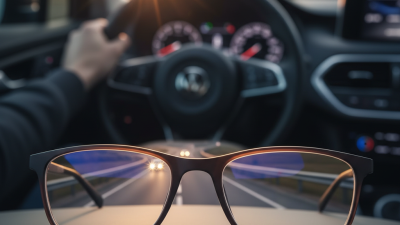
**Tip:** When selecting driver lenses, consider your specific driving conditions. Night driving often demands lenses with higher clarity and contrast enhancement.
Another consideration is sustainability. Buyers are increasingly interested in eco-friendly materials. Reports indicate that this segment could grow by over 20% in the next five years. However, affordability remains a challenge, as some sustainable options are pricier.
**Tip:** Look for certifications indicating sustainability without compromising your budget. Choose products that offer both performance and environmental benefits.
Top 10 Driver Lens Options for Global Buyers in 2026
| Lens Type |
Material |
UV Protection |
Photochromic |
Market Demand (%) |
| Polycarbonate |
Polycarbonate |
Yes |
No |
25% |
| Glass |
Glass |
Yes |
Yes |
15% |
| CR-39 |
Plastic |
Yes |
No |
20% |
| Trivex |
Polymer |
Yes |
Yes |
10% |
| Polycarbonate High Contrast |
Polycarbonate |
Yes |
No |
18% |
| Bifocal |
Plastic |
Yes |
No |
12% |
| Polarized |
Various |
Yes |
No |
22% |
| Anti-Reflective |
Plastic |
Yes |
No |
5% |
| Single Vision |
Plastic |
Yes |
No |
8% |
| Sports |
Various |
Yes |
Yes |
10% |
Leading Brands in Driver Lens Manufacturing for 2026
The driver lens market is evolving rapidly, with innovations shaping the future of eyewear. As we approach 2026, leading manufacturers are focusing on advanced materials and technologies. These innovations aim to enhance visual clarity and durability, catering to diverse consumer needs. Not all products are flawless. Some lenses might compromise comfort for clarity, making it essential to choose wisely.
In the competitive landscape, brands are prioritizing quality and performance. They are investing in research to improve UV protection and scratch resistance. However, not every brand achieves the same level of excellence. It's crucial for consumers to seek out lenses from reputable manufacturers. User reviews often highlight specific features that make a difference in everyday use.
While trends point toward increased customization, many buyers may find challenges in selecting the perfect lens. The influx of choices can be overwhelming. It's important to understand that not every solution is one-size-fits-all. Individuals must consider their unique requirements when making a decision. In this rapidly changing market, informed choices will lead to better user experiences.
Top 10 Driver Lens Options for Global Buyers in 2026
This chart represents the estimated sales volume of various types of driver lenses in 2026, based on market research data. The data demonstrates the popularity and anticipated demand for these lens options among global buyers.
Consumer Preferences and Their Impact on Driver Lens Selection
Consumer preferences significantly influence driver lens selection. As more individuals seek clarity and comfort, the market responds with diverse options. Buyers value factors like UV protection, scratch resistance, and comfort. Understanding these choices can lead to better purchasing decisions.
Tips: Consider how often you drive during the day. If you frequently face bright sunlight, lenses with high UV protection are essential. Test various lenses to see which offers clarity without strain. Regular feedback from users informs manufacturers about trends and needs.
The variety available presents a dilemma for many. What works for others might not work for you. Trying different types can reveal what suits your lifestyle best. Some may prefer lighter frames for comfort, while others may choose heavier ones for durability. Your personal experience should guide your selection.