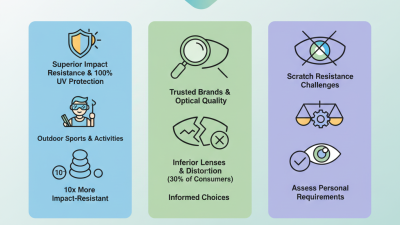
Choosing the best Polycarbonate Lenses requires more than comparing prices or searching for the darkest tint. Lens material affects safety, comfort, optical clarity, weight, and long-term value. The American Academy of Ophthalmology describes polycarbonate as a lightweight, impact-resistant material that naturally blocks ultraviolet radiation. These qualities make it practical for children, active adults, prescription sports eyewear, and workplace protection. Still, “impact-resistant” does not mean indestructible. That distinction matters.
The World Health Organization’s World Report on Vision estimates that at least 2.2 billion people worldwide have a vision impairment. Clear, accurately prescribed lenses therefore remain essential, especially when people drive, work near machinery, or spend long hours outdoors. Buyers should examine lens thickness, prescription strength, frame compatibility, UV protection, anti-reflective coatings, and scratch resistance. ANSI Z87.1 safety standards can also guide decisions when eyewear is used in industrial environments. A standard mark is useful, but it should match the actual risk.
Comfort is often overlooked. A thin, lightweight polycarbonate lens may feel noticeably easier after eight hours of wear. However, some users may notice more chromatic distortion than with high-index or Trivex materials. Personal experience varies. Even professional recommendations need a second look. An optometrist should verify the prescription, pupillary distance, fitting height, and intended use before purchase. This guide will compare these factors clearly, helping readers choose lenses that balance protection, vision quality, appearance, and everyday practicality. There is no universal winner. The best choice depends on the wearer’s eyes and routine.
How to Choose the Best Polycarbonate Lenses?
Identify Your Vision Needs and Lens Usage Conditions
Choosing polycarbonate lenses starts with your prescription, daily habits, and surroundings. These lenses are lightweight and highly impact-resistant, making them useful for active lifestyles, children, and safety-conscious wearers. However, material strength does not replace professional fitting. An optometrist should check your prescription, pupil distance, and frame compatibility. Small measurement errors can cause eye strain, especially with stronger prescriptions.
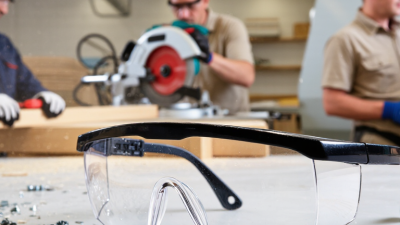
Think about where you wear your glasses. Outdoor use may require reliable ultraviolet protection, while computer work can benefit from an appropriate anti-reflective coating. If you often move between bright streets and dim rooms, ask about glare and light-transition options. For cycling, workshop tasks, or contact sports, choose a secure frame with lenses designed for the activity. Polycarbonate can resist impact, but it may show scratches without a durable protective coating.
Tips: Describe a normal day, not an ideal one. Mention driving at night, dusty workplaces, humid weather, or frequent lens cleaning. Ask how each coating performs under those conditions. Avoid choosing only by price. I once underestimated how much glare affected evening driving; the prescription was correct, but the lens coating was not suitable. That experience was a useful reminder: vision needs come before lens features. Recheck the recommendation if your work, hobbies, or prescription changes.
How to Choose the Best Polycarbonate Lenses?
Polycarbonate lenses are valued for strong impact resistance and low weight. They suit active users, children, and safety-conscious wearers. Their built-in ultraviolet protection adds another practical benefit. In daily fitting experience, a well-adjusted frame can feel more secure during cycling, commuting, or outdoor work. Protection matters most when glasses stay comfortably on the face.
Optical performance requires closer comparison. Polycarbonate has a lower Abbe value than many conventional lens materials. Some wearers may notice colored edges, especially with stronger prescriptions or wider frames. Careful lens centration, an appropriate frame size, and an aspheric design can reduce this effect. Anti-reflective coating may improve night-time comfort, but it cannot remove every optical limitation. The trade-off is real.
Scratch resistance also deserves attention. Polycarbonate itself is not naturally scratch-proof, so a reliable hard coating is important. Even then, wiping dry dust across the lens can leave fine marks. Use clean water and a soft lens cloth. Small details matter. I have seen users choose maximum impact protection, then feel disappointed by edge distortion. That choice was not wrong, but the prescription and fitting were overlooked. An experienced optician should compare prescription strength, frame shape, lifestyle, and visual sensitivity before recommending the material. No lens performs perfectly in every situation.
How to Choose the Best Polycarbonate Lenses?
Polycarbonate lenses need more than impact resistance. Their surface should include a durable hard coating, especially for children, outdoor workers, and active users. An anti-reflective coating can reduce distracting reflections from headlights and office screens. A 2023 Cochrane review found limited evidence that blue-light filtering lenses reduce digital eye strain, so treat that feature cautiously. It sounds impressive, but the evidence remains mixed.
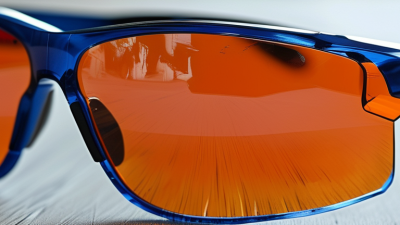
Tint choice should match the user’s environment. Gray tints preserve color fairly well, while brown or amber tints can increase contrast in changing outdoor light. Polarized designs reduce glare from roads and water, but they may make some digital displays harder to read. The Vision Council’s 2023 Consumer inSights reporting indicates that roughly three-quarters of U.S. adults use vision correction. That scale makes comfort, UV protection, and daily practicality important design concerns, not minor upgrades.
Check the frame and lens geometry together. Wraparound frames improve coverage, but excessive curvature can create peripheral distortion without suitable optical design. Aspheric shaping may reduce thickness and improve appearance, yet poor fitting can still cause blur. Polycarbonate naturally provides strong ultraviolet protection, though the laboratory specification should be verified. ISO 16321-1:2021 offers a current reference for protective eyewear performance. Do not trust a coating label alone. Ask about abrasion testing, tint transmission, and replacement limits. My own bias is simple: extra features are useful only when the wearer’s routine demands them.
Polycarbonate lenses naturally block ultraviolet radiation up to approximately 380 nm and are highly impact-resistant. When comparing lens options, also evaluate the coating and tint: a hard coating improves scratch resistance, while an anti-reflective coating can reduce surface reflections. Tint selection should be based on visible light transmission (VLT), not darkness alone.
The chart uses the standardized visible light transmission ranges for protective filter categories. The plotted value is the midpoint of each category's range; actual lens transmission may vary within the stated range.
How to Choose the Best Polycarbonate Lenses?
Frame compatibility should guide your lens choice, not appearance alone. Polycarbonate lenses suit many full-rim frames because they are lightweight and impact resistant. However, rimless and semi-rimless frames require careful drilling or edge mounting. Ask an experienced optician to confirm the lens design, frame shape, and mounting method. A poor match may create stress around the lens edges.
Fit affects comfort every minute you wear the glasses. The bridge should sit securely without leaving painful marks. The temples should touch gently, not press behind your ears. Your pupils should align closely with the lens centers. Even a small alignment error can affect visual comfort, especially with stronger prescriptions. Check the frame while sitting, walking, and looking down. It should not slide when you move.
Long-term comfort also depends on weight, ventilation, and adjustment quality. Polycarbonate is light, but oversized frames can still feel heavy. Choose a shape that follows your face without touching your cheeks. Leave enough space for eyelashes. A professional should adjust the nose pads, temple angle, and frame level before final fitting. Do not ignore minor pressure. It often becomes worse after several hours. Yet personal comfort is not perfectly predictable; a frame that feels ideal for five minutes may need another adjustment after daily use. Clean the lenses with water and a soft cloth, since dry wiping can create fine scratches over time.
| Selection Dimension | What to Check | Practical Guidance | Why It Matters |
|---|---|---|---|
| Frame Compatibility | Rim type, lens shape, groove design, and mounting method | Confirm that the frame is suitable for the lens thickness and that the lens can be safely edged and mounted. | A compatible frame reduces the risk of stress, movement, cracking, or improper alignment. |
| Frame Style | Full-rim, semi-rimless, or rimless construction | Full-rim frames generally provide the most support. Semi-rimless and rimless frames require precise drilling or grooving and professional installation. | Polycarbonate is impact resistant, but incorrect mounting can still damage the lens or frame. |
| Prescription Range | Sphere, cylinder, axis, and pupillary distance requirements | Use the current prescription and verify monocular or binocular pupillary distance when required. | Accurate measurements help place the optical centers correctly and reduce visual discomfort. |
| Lens Thickness | Center thickness, edge thickness, frame size, and prescription power | Ask the optical professional to calculate the finished thickness rather than choosing by material alone. | Thickness affects weight, appearance, edge visibility, and whether the lens fits securely. |
| Frame Measurements | Eye size, bridge width, temple length, and effective lens diameter | Choose a frame that keeps the pupils near the lens centers and does not extend excessively beyond the face. | Better centration can improve comfort and may help reduce unnecessary lens thickness. |
| Bridge and Nose Fit | Bridge width, nose-pad position, slipping, and pressure points | The frame should sit securely without pinching the nose or leaving excessive gaps at the bridge. | A stable bridge helps maintain consistent optical alignment throughout the day. |
| Temple and Ear Fit | Temple length, curvature, hinge tension, and behind-ear pressure | Temples should rest comfortably without squeezing the head or sliding during movement. | Balanced temple pressure improves long-term comfort and frame stability. |
| Optical Alignment | Pupil position, pantoscopic tilt, vertex distance, and wrap angle | Have the finished glasses measured and adjusted while being worn in their normal position. | Correct alignment supports clearer vision and can reduce eye strain or adaptation problems. |
| Impact Protection | Use environment, safety requirements, and applicable impact standards | Polycarbonate is commonly selected for active use, children’s eyewear, and situations where impact resistance is important. Verify the required safety standard for occupational use. | Material choice alone does not guarantee protection; frame design and certified construction also matter. |
| UV Protection | Ultraviolet protection specification and lens documentation | Confirm the lens provides the level of UVA and UVB protection appropriate for your intended use. | UV protection helps limit exposure to ultraviolet radiation during outdoor wear. |
| Anti-Reflective Coating | Reflection reduction, coating durability, and cleaning instructions | Consider an anti-reflective coating for night driving, screen-heavy work, or improved cosmetic clarity. | Fewer surface reflections can improve visual comfort, although coating quality and care affect durability. |
| Scratch Resistance | Hard-coat availability and warranty terms | Select a hard coating and store the glasses in a protective case when not in use. | Polycarbonate resists impact well but is more prone to surface scratching without suitable coating and care. |
| Visual Clarity | Abbe value, prescription strength, lens design, and adaptation history | Discuss lens design with an optician if you are sensitive to peripheral blur or have a stronger prescription. | Polycarbonate generally has a lower Abbe value than some conventional lens materials, which may produce more chromatic aberration for some wearers. |
| Weight and Balance | Lens size, thickness, frame material, and overall center of gravity | Use a moderate frame size and choose adjustable nose pads or lightweight temples if the glasses feel front-heavy. | Good balance reduces pressure on the nose and ears during extended wear. |
| Daily Care | Cleaning method, cloth type, heat exposure, and storage | Rinse away dust, use lukewarm water and lens-safe cleaner, dry with a clean microfiber cloth, and avoid hot vehicles or abrasive materials. | Proper care helps preserve coatings and reduces avoidable scratches or lens deformation. |
| Professional Adjustment | Fit after lens installation and periodic frame maintenance | Have an optical professional adjust the bridge, temples, tilt, and lens position whenever the glasses slip or feel uneven. | Small adjustments can restore comfort and keep the lenses aligned with the eyes. |
Selection tip: The best polycarbonate lens is not determined by material alone. Match the lens to the prescription, frame construction, facial measurements, intended activities, coating needs, and professional fitting requirements.
How to Choose the Best Polycarbonate Lenses?
Confirm Quality, Standards, and Professional Care Requirements
Polycarbonate lenses are valued for their light weight and strong impact resistance. However, material alone does not guarantee dependable optical performance. Ask the seller for clear product specifications, including lens thickness, UV protection, coating details, and applicable safety standards. Check whether testing follows recognized regional requirements, such as standards for protective eyewear or general-purpose sunglasses. Documentation should be specific, current, and traceable.
Look closely. Hold each lens beneath a bright, even light. Minor reflections are normal, but waves, cloudy patches, sharp edges, or visible coating marks deserve questions. High-quality lenses should provide comfortable vision without noticeable distortion when you move your eyes. An optician can also verify optical measurements, pupillary distance, frame alignment, and prescription accuracy. Fit matters. A poorly fitted lens may reduce comfort, even when the material is excellent.
Professional care affects service life. Use clean water and a mild lens solution, then dry the surface with a clean microfiber cloth. Avoid paper towels, household cleaners, hot dashboards, and rough storage surfaces. I once assumed a hard coating made lenses nearly scratch-proof; that was careless thinking. Coatings improve resistance, not immunity. Request written care instructions and ask how the lenses should be replaced after deep scratches, coating failure, or a changed prescription. Quality is easier to trust when testing, fitting, and aftercare are clearly explained.