Leave Your Message

Why Choose Polycarbonate Lenses for Safety Glasses?

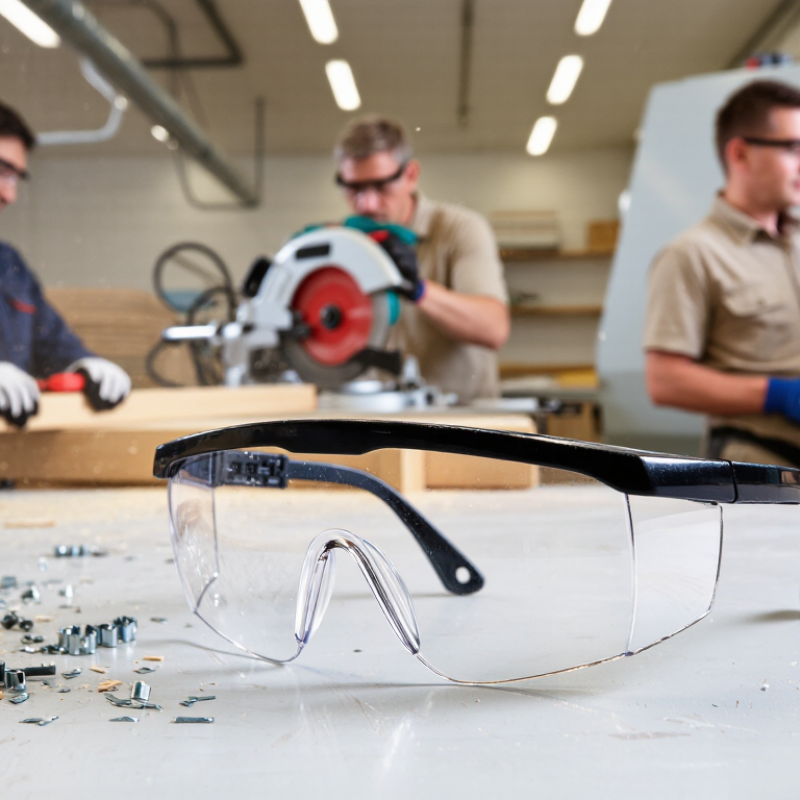
In a workshop, a flying metal fragment can reach the eye before anyone reacts. That is why lens material deserves careful attention. Polycarbonate Lenses are widely selected for safety glasses because they combine low weight with strong impact resistance. They feel noticeably lighter during a long shift, whether you are cutting timber, repairing machinery, or inspecting warehouse equipment. This comfort can improve consistent wear, which matters when protection is needed every minute.

Polycarbonate also provides useful ultraviolet protection in many products. However, performance depends on the lens design, coating, and manufacturer’s specifications. Look for clearly stated impact ratings, such as ANSI Z87.1 or EN 166 compliance, when relevant to your workplace. Standards and markings offer stronger evidence than attractive packaging or vague marketing claims. A qualified safety professional can also help match the glasses to specific hazards, including dust, splashes, glare, and high-speed particles.

They are not perfect.

Polycarbonate can scratch more easily than glass, especially when glasses are placed lens-down on a workbench. Anti-scratch coatings can help, but they do not make the surface indestructible. Cleaning with a rough cloth may quietly reduce visibility over time. Fit matters too; gaps, loose arms, or fogging can undermine otherwise capable lenses. My own preference is practical: choose certified glasses, inspect them regularly, and replace damaged eyewear promptly. Polycarbonate Lenses offer a strong balance of protection, comfort, and usability, but responsible selection remains essential. A lens cannot compensate for poor habits.
Why Choose Polycarbonate Lenses for Safety Glasses?

Polycarbonate Lenses: Definition and Key Properties

Why Choose Polycarbonate Lenses for Safety Glasses?

Polycarbonate lenses are made from a tough, lightweight thermoplastic material. They are widely used in safety glasses because they resist impact better than ordinary plastic lenses. Their low weight helps reduce pressure around the nose and ears during long work shifts. Polycarbonate also blocks most ultraviolet radiation naturally, although performance can vary by lens design. The material is not perfect. It can scratch more easily than glass without a suitable hard coating.

In practical use, polycarbonate lenses feel comfortable during drilling, construction, and outdoor maintenance tasks. They are less likely to shatter when struck by small flying particles. Their strong impact resistance is a major safety advantage. However, poor-quality lenses may create edge distortion or mild color fringing. I have noticed this during extended wear, especially when looking sideways. Clear vision still depends on accurate manufacturing, proper fit, and regular inspection. Choose lenses tested to recognized safety standards, and check that the frame fits securely.
Tips: Wipe lenses with clean water before using a soft lens cloth. Avoid abrasive towels and household cleaners. Replace glasses when deep scratches affect vision. Store them in a protective case. Small habits matter. Never assume impact resistance means unlimited protection.

How Polycarbonate Lenses Protect the Eyes

Why Choose Polycarbonate Lenses for Safety Glasses?

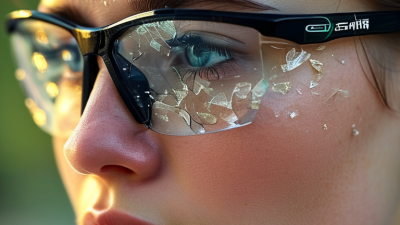
Polycarbonate lenses protect eyes by absorbing and dispersing impact energy. A flying metal fragment or wood chip may strike during drilling, cutting, or repairs. Instead of shattering like ordinary glass, polycarbonate usually resists breaking under sudden force. This matters in real workplaces, where hazards can appear in less than a second.

The lenses are also lightweight, so workers are more likely to wear them throughout a shift. Many polycarbonate lenses provide ultraviolet protection, but the exact level depends on the product and its safety certification. Clear vision remains important. Scratches, fogging, or poor optical quality can cause mistakes, even when the lenses are impact-rated. A close-fitting frame and side coverage can reduce exposure to dust and fragments. However, no lens protects every part of the face. That limitation deserves attention.

Tips: Check the lens markings and certification before use. Choose a secure fit that does not pinch your nose or slide during movement. Clean lenses with water and a soft cloth, not a rough sleeve. Replace them after serious impact, deep scratches, or visible damage. Small habits help. I have seen workers ignore minor scratches, then struggle to see fine edges clearly. That choice can seem harmless, but it weakens practical eye protection.

Benefits of Polycarbonate Safety Glasses in the Workplace

Why Choose Polycarbonate Lenses for Safety Glasses?

Benefits of Polycarbonate Safety Glasses in the Workplace

Workplace eye protection must handle more than obvious hazards. Dust, metal fragments, and chemical splashes can arrive from unexpected angles. NIOSH estimates that about 2,000 U.S. workers suffer job-related eye injuries requiring medical treatment each day. Polycarbonate lenses help reduce this risk through strong impact resistance and low weight. They are also thinner and lighter than many traditional lens materials. That matters during an eight-hour shift.

In workshops, polycarbonate safety glasses can resist flying chips from drilling or grinding. Side shields provide added coverage near the temples. Anti-fog coatings help workers see clearly when moving between cold storage and warm production areas. OSHA reports that suitable eye protection could prevent or reduce roughly 90% of workplace eye injuries. However, protection only works when workers wear it consistently. Comfort influences that decision more than many safety policies acknowledge.

They are not perfect.

Scratched lenses can distort vision and should be replaced. Polycarbonate may also require coatings for better scratch resistance and chemical performance. Supervisors should match lens markings and protection levels with the actual hazard, using recognized standards such as ANSI/ISEA Z87.1. A practical fit check helps: the glasses should stay secure when bending, leave no exposed gaps, and remain comfortable around hearing protection. Small details matter. Safety equipment is effective only when real workers trust it enough to keep wearing it.

Limitations and Considerations of Polycarbonate Lenses

Polycarbonate lenses are popular in safety glasses because they are lightweight and resist high-impact hazards. They also provide useful ultraviolet protection and feel comfortable during long shifts. However, impact resistance does not make them indestructible. A dropped tool, rough storage, or repeated contact with abrasive dust can leave small scratches across the lens.

Scratches matter more than appearance. They can scatter light, create glare, and reduce visual clarity near bright windows or machinery. Polycarbonate is also more vulnerable to certain chemicals, including some solvents and cleaning agents. Always follow the lens manufacturer’s care instructions, and use clean water with a soft lens cloth when possible. Paper towels may seem harmless, but they can carry grit.

Fit creates another practical limitation. A strong lens cannot protect well if the frame slides, leaves large gaps, or presses painfully against the nose. Fogging may also encourage workers to lift the glasses, even briefly. Anti-fog coatings help, but they can wear away through harsh cleaning or poor storage. They are not permanent.

Choose glasses according to the actual hazard, not just the material. Check impact markings, side coverage, optical clarity, and compatibility with other protective equipment. A safety professional can help assess the work area. Even then, personal comfort deserves attention. Uncomfortable glasses are often worn incorrectly. That is an easy mistake to overlook. Inspect the lenses before each use, and replace them when cracks, deep scratches, or coating damage affect visibility.

Why Choose Polycarbonate Lenses for Safety Glasses? - Limitations and Considerations of Polycarbonate Lenses

Dimension Polycarbonate Lens Data Safety Benefit Limitations and Considerations
Impact resistance High impact resistance; suitable designs can be tested to applicable safety requirements such as ANSI/ISEA Z87.1 or EN 166. Helps protect the eyes from flying particles and mechanical hazards when the complete protector is correctly certified and fitted. Lens material alone does not guarantee compliance. Check the permanent marking, product documentation, side protection, and intended hazard rating.
Weight Density is approximately 1.20 g/cm³, which is lower than ordinary glass and generally lower than standard optical plastic materials. Can reduce facial pressure and improve comfort during extended wear. Total product weight also depends on frame construction, coatings, ventilation, and prescription thickness.
UV protection Polycarbonate intrinsically absorbs most ultraviolet radiation below approximately 380 nm. Provides built-in protection against much of the UVA and UVB range without relying solely on a surface coating. Verify the specific product’s UV claim, especially for specialized optical filters and environments with intense UV exposure.
Optical index Typical refractive index is about 1.586 at visible wavelengths. Allows relatively thin lenses for many prescriptions compared with lower-index materials. Thinness depends on prescription strength, lens diameter, optical design, and fitting parameters.
Optical clarity Abbe value is typically around 30, lower than many conventional optical plastics. Provides acceptable vision for many occupational and general-purpose applications. Some users may notice more chromatic aberration, especially near the lens edges or with high prescriptions. Accurate fitting is important.
Scratch resistance The uncoated surface is relatively easy to scratch compared with mineral glass. A hard coat can substantially improve resistance to everyday abrasion. Hard coatings are not scratch-proof. Use clean water, mild soap, and a clean microfiber cloth; avoid abrasive cleaners and dry wiping of dust.
Chemical compatibility Good resistance to many common conditions, but vulnerable to some solvents and aggressive chemicals. Works well in many workplaces when cleaning and storage procedures are followed. Avoid unapproved solvents, strong alkaline cleaners, and chemical exposure not covered by the product’s instructions. Select specialty protection for chemical splash hazards.
Heat and temperature Suitable for normal occupational temperature ranges, but optical plastics can deform or degrade when exposed to excessive heat. Performs reliably in ordinary indoor and outdoor work settings. Do not leave safety glasses on dashboards, near heaters, or in high-temperature processes unless the product is specifically rated for that application.
Fogging and moisture Polycarbonate itself does not prevent condensation or fogging. Anti-fog treatments and appropriate ventilation can improve visibility in humid or temperature-changing conditions. Anti-fog performance can diminish with washing, abrasion, or incompatible cleaners. Reapply or replace products according to the instructions.
Sunlight and aging Long-term exposure to sunlight, heat, chemicals, and abrasion can affect lens appearance or performance. Routine inspection helps maintain reliable protection. Replace lenses or complete protectors when scratched, cracked, distorted, discolored, or after a significant impact, even if damage is not obvious.
Prescription suitability Available in prescription and non-prescription safety eyewear designs. Can combine corrective vision with impact protection when made and marked as compliant safety eyewear. Do not place ordinary prescription lenses inside a safety frame and assume compliance. Use a qualified optical provider and an approved safety design.
Best-use profile Well suited to construction, manufacturing, laboratory, maintenance, and outdoor work where impact and UV protection are relevant. Offers a strong balance of impact protection, low weight, and integrated UV absorption. The correct lens is determined by the hazard assessment. Polycarbonate is not automatically suitable for welding radiation, laser radiation, chemical splash, or specialized high-temperature hazards.

Note: Lens properties are typical reference values and may vary by formulation, coating, thickness, and product design. Always follow the applicable safety standard, hazard assessment, and manufacturer’s instructions.

Choosing the Right Polycarbonate Safety Glasses for Different Needs

Polycarbonate lenses are a practical starting point for safety glasses, but the right choice depends on the hazard.

OSHA reports about 1,000 workplace eye injuries every day, with annual costs exceeding $300 million. That figure makes lens selection more than a comfort decision. Polycarbonate is lightweight and highly impact-resistant. It suits workshops, construction areas, laboratories, and maintenance tasks. However, basic safety glasses may not stop chemical splashes, fine dust, or particles entering from the sides.

Choosing the right polycarbonate safety glasses requires matching protection to the task. Look for certified impact performance under ANSI Z87.1 or an equivalent regional standard.

For liquid hazards, select sealed goggles with splash protection. For dusty operations, side coverage and a suitable dust rating matter. Anti-fog coatings help in humid rooms, but they do not work perfectly forever.

Prescription users should choose compatible prescription-rated protection, not ordinary glasses under loose eyewear. Fit is also critical. A small gap near the cheek can matter.

Tips: Check the safety marking before purchase. Test the glasses with normal head movement. Replace scratched lenses promptly.

NIOSH guidance emphasizes using protection based on the specific exposure, not convenience alone. In practical fittings, workers often choose darker lenses for comfort, then lose visibility indoors. That is an easy mistake.

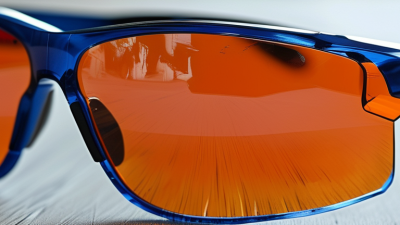
Clear polycarbonate lenses usually work better indoors, while tinted versions may suit bright outdoor work. No lens solves every problem. Recheck the choice when tools, materials, or working conditions change.