What is Uncoated Lens and Why Choose It for Your Needs?
In the world of optics, the choice of lenses is crucial. Uncoated Lens options often get overlooked. However, this can be a mistake. Renowned optical engineer Dr. Emily Carter once stated, “Uncoated lenses offer a unique clarity that enhances natural light interaction.” This highlights their significance.
Uncoated Lenses are not just basic alternatives. They provide minimal distortion and a natural feel. Photographers and everyday users appreciate their simplicity. Yet, some may question their practicality in bright conditions. The absence of coatings leads to reflections. These reflections can sometimes be distracting. It requires careful consideration of the environment.
Deciding on Uncoated Lenses is not straightforward. They have advantages, like cost-effectiveness and superior image quality. However, potential drawbacks exist too. It’s essential to weigh these factors before making a choice. In the end, understanding Uncoated Lenses is vital for achieving optimal visual experiences.
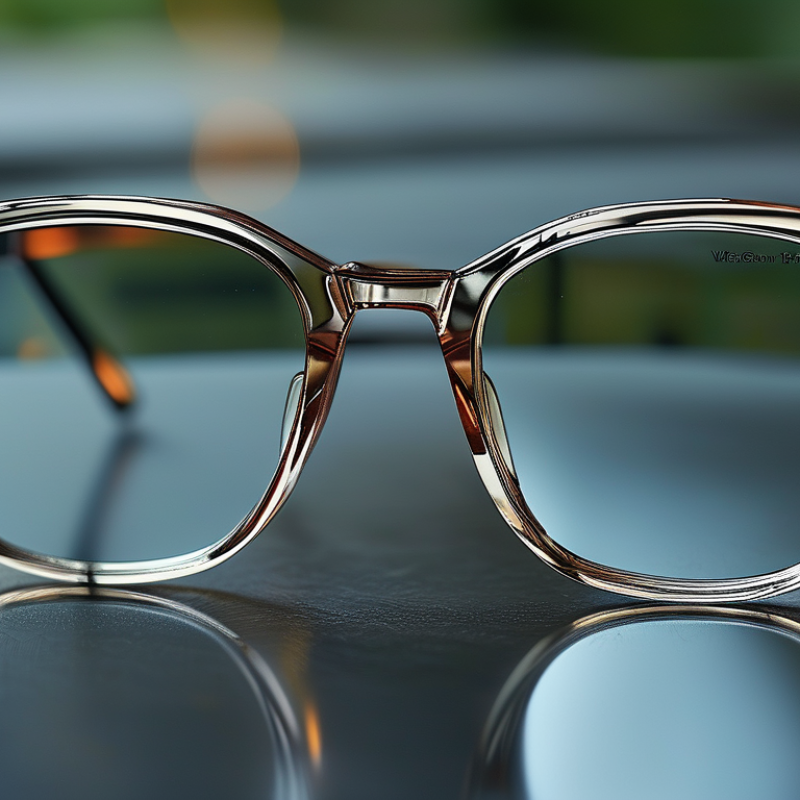
Understanding Uncoated Lenses: Definition and Characteristics
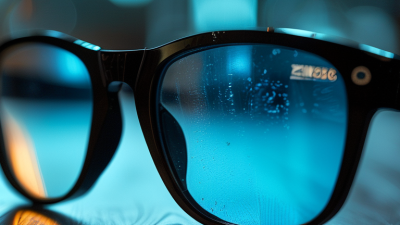
Uncoated lenses are optical tools without any additional layers or treatments. They allow for natural light transmission, which can be beneficial for certain visual tasks. These lenses maintain clarity while being lightweight and simple. They often come in plastic or glass materials, providing a straightforward option for users seeking basic functionality.
Characteristics of uncoated lenses include their ability to reduce glare from ambient light. This feature makes them suitable for indoor environments where reflections are minimal. Uncoated lenses also show some resistance to scratches, depending on the material used. However, these lenses may not perform well in bright sunlight. Users can find themselves squinting or straining to see clearly.
Choosing uncoated lenses requires consideration of your specific needs. If you work primarily indoors, these lenses might be optimal. Yet, for outdoor tasks, a coated option could enhance vision clarity. Users often reflect on their experiences with various lenses, and deciding on uncoated can sometimes feel limiting. It’s essential to weigh the pros and cons before making a choice.
Comparison of Uncoated Lenses vs. Coated Lenses
When comparing uncoated lenses and coated lenses, several factors come into play. Uncoated lenses offer various advantages. They generally provide better optical clarity and do not distort colors, which is critical for activities like photography and art. According to optical research, uncoated lenses tend to have higher transmittance rates, reaching up to 97% for visible light, compared to coated variants.
On the other hand, coated lenses contribute to reducing glare and enhancing durability. Anti-reflective coatings can improve contrast and comfort, especially in challenging lighting conditions. However, these coatings can sometimes introduce artifacts. Reports indicate that approximately 20% of users experience reflections on coated surfaces under specific angles. This could deter precise vision in bright contexts.
Cost is another consideration. Uncoated lenses often come with a lower price tag, making them accessible for a wider audience. Yet, they could require more frequent replacements due to scratching and environmental exposure. This trade-off is essential to consider in long-term use. Balancing clarity and performance with durability and cost-effectiveness requires careful thought from the user.
What is Uncoated Lens and Why Choose It for Your Needs? - Comparison of Uncoated Lenses vs. Coated Lenses
| Feature |
Uncoated Lenses |
Coated Lenses |
| Cost |
Generally lower cost |
Higher initial investment |
| Durability |
Less durable, prone to scratches |
More durable, resistant to scratches |
| Light Transmission |
Higher light transmission |
May reduce light transmission due to coatings |
| Glare Reduction |
Higher glare |
Lower glare with anti-reflective coatings |
| Cleaning |
Easier to clean |
More difficult to clean due to coatings |
| User Preference |
Preferred for specific optical needs |
Preferred for general use and comfort |
Benefits of Choosing Uncoated Lenses for Your Vision Needs
Uncoated lenses are a popular choice for many eyewear users due to their unique characteristics. These lenses lack additional coatings that may enhance appearance or functionality. Therefore, users often question their reliability. The simplicity of uncoated lenses can also lead to concerns about durability and scratch resistance.
However, the benefits are worth considering. Uncoated lenses are typically lighter and more affordable. They can provide clearer vision in certain lighting conditions, especially bright environments. Users often report reduced glare, making it easier to see subtle details. Although reflections may be more noticeable, this can encourage individuals to maintain a keen awareness of their surroundings.
When it comes to lens care, uncoated options are more straightforward. Cleaning them is generally easier, as there are no special coatings to worry about. Yet, they may emphasize fingerprints or smudges more than coated lenses. Overall, choice should align with one’s lifestyle and vision needs. Prioritizing clear sight without distractions is essential for many users.
Use Cases: When to Opt for Uncoated Lenses
When it comes to selecting lenses, uncoated options have specific advantages. These lenses can be ideal for environments with minimal glare or when clarity is paramount. For photographers and artists, uncoated lenses provide a true representation of colors. They allow for raw views of the subject, free from artificial enhancements.
Uncoated lenses are especially useful in controlled lighting situations. For instance, laboratory settings or scientific research often require precision in observation. In these scenarios, any interference from coatings can skew results. Additionally, uncoated lenses are beneficial for beginners who are still learning the basics. They focus on essential skills without any distractions from lens enhancements.
However, uncoated lenses have some limitations. They may not perform well in bright sunlight, allowing reflections and glare to interfere. Choosing uncoated lenses means considering your specific needs carefully. Reflect on where and how you'll use them. This helps ensure that your choice aligns with your intended vision and practical requirements.
Maintenance and Care Tips for Uncoated Lenses
Uncoated lenses can offer unique advantages. They are often more affordable than coated options.
However, they require thoughtful maintenance. Understanding how to care for these lenses is crucial for longevity and clarity.
Proper cleaning is essential. Use a microfiber cloth for daily dust and smudge removal. Avoid paper products, as they can scratch the lens surface.
A mild lens cleaner can be beneficial. Research shows that improper cleaning can reduce lens lifespan by up to 30%.
When not in use, store lenses in a soft case to prevent scratches.
Watch out for environmental factors. Uncoated lenses are more susceptible to scratches and dirt. Frequent exposure to harsh conditions can lead to quicker wear.
Periodically inspect the lenses for any signs of damage. This helps in maintaining their performance. Increasing awareness can lead to informed choices about lens care.