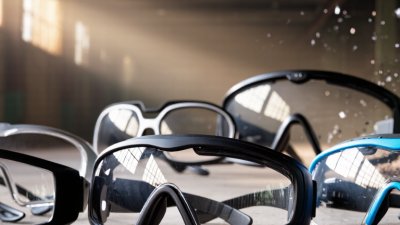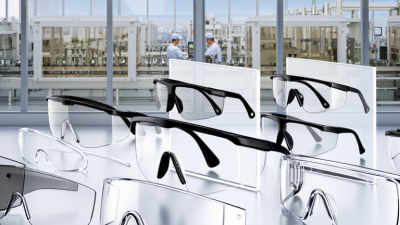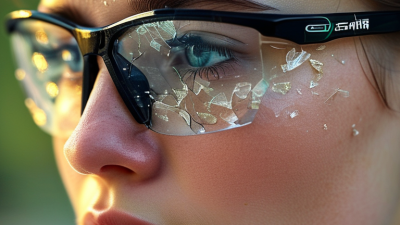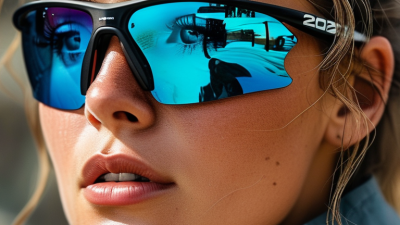
Impact Lenses are designed to help protect the eyes from flying particles, accidental knocks, and other hazards. They are commonly used in safety glasses, goggles, and some face shields. In a workshop, for example, a lens may help shield the wearer from wood chips or small fragments. The exact protection depends on the eyewear’s design, materials, and tested rating. Not every clear lens is impact-rated.
That distinction matters. Impact-resistant lenses can reduce risk, but they cannot prevent every injury or replace safe work practices. Users should choose eyewear suited to the task, check the manufacturer’s specifications, and inspect lenses for cracks or deep scratches. A damaged lens should not be trusted. Fit matters, too: gaps around a frame may leave exposure points, even when the lens itself is strong.
The term can sound straightforward, but product descriptions vary. Some lenses focus on impact protection, while others also address glare, fogging, or prescription needs. Those features are not interchangeable. A tinted lens, for instance, does not automatically provide impact protection. This guide explains what Impact Lenses are used for, where they may be appropriate, and what to check before choosing them. It also recognizes a practical limitation: the right choice is not always obvious from appearance alone. Verified product information is more useful than assumptions.
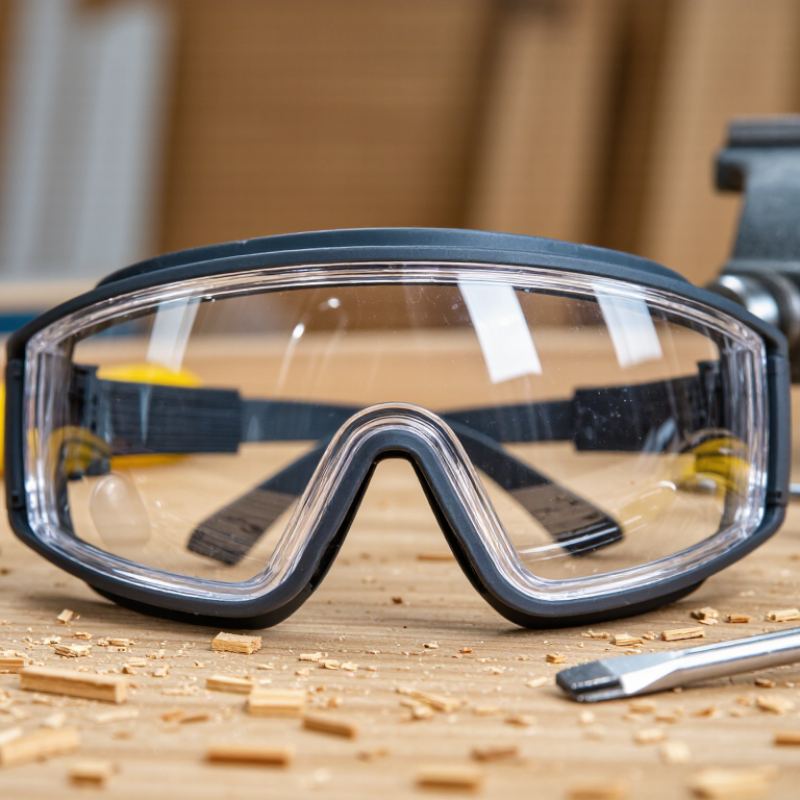
Impact lenses are used in safety glasses and goggles to help shield eyes from flying particles, chips, and accidental contact. A workshop saw can send a sharp fragment across the room in seconds. The lens forms a barrier, while the frame and side coverage help limit openings around the eyes. Protection depends on the whole fit, not just the lens.
CDC/NIOSH reports that about 2,000 U.S. workers sustain job-related eye injuries requiring medical treatment each day. That figure shows why impact protection matters, even during routine tasks. Protective eyewear standards such as ANSI/ISEA Z87.1 specify performance tests and markings for safety eyewear. Still, a rated lens is not unbreakable. Scratches, loose frames, and damage from a previous impact can reduce dependable protection. Clear vision alone is not proof of safety.
Tips: Choose eyewear for the specific hazard, such as flying debris or splash risk. Check lenses and frames before each use; replace scratched or damaged pairs. Keep side gaps in mind. It is an easy detail to miss.
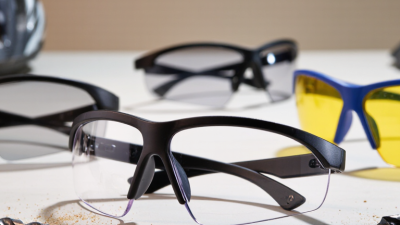
Impact-resistant lenses help shield eyes from flying fragments, sudden blows, and debris. They are used in workplaces, sports, and outdoor tasks where a small projectile can cause serious harm.
The National Eye Institute reports that about 2,000 U.S. workers sustain job-related eye injuries requiring medical treatment each day. It also notes that experts estimate proper eye protection could prevent about 90% of eye injuries. That figure describes protective eyewear, not lenses alone.
The lens material matters, but so do the frame, side coverage, and fit. ANSI/ISEA Z87.1 and ASTM F803 set impact-testing requirements for occupational and sports eyewear. A lens meeting an impact standard can resist specified test impacts; it is not unbreakable.
A loose frame may shift when struck, leaving the eye exposed. Picture a wood chip kicked upward by a mower: coverage around the sides can matter as much as the lens in front.
Small details count. Replace scratched, cracked, or damaged eyewear, and choose protection suited to the task. I sometimes treat “impact-resistant” as a complete answer, but it is only one part of reducing injury risk.
Impact-resistant lenses are designed to help reduce eye injury when sports equipment, debris, or tools strike the face. In sports, they are used in protective eyewear for activities such as basketball, racquet sports, and cycling. The American Academy of Ophthalmology says about 90% of sports-related eye injuries can be prevented with appropriate protective eyewear. ASTM F803 sets impact-resistance requirements for eyewear used in selected sports. A lens alone is not enough. A secure fit matters.
In industrial settings, impact-rated eyewear helps shield workers from flying particles during cutting, grinding, and similar tasks. NIOSH reports that roughly 2,000 U.S. workers receive medical treatment for job-related eye injuries each day. That figure makes basic protection hard to dismiss. Employers and workers should check that eyewear meets the relevant workplace standard, such as ANSI/ISEA Z87.1, and suits the specific hazard. Scratched lenses or loose frames can undermine protection.
Daily life brings smaller, familiar risks: trimming hedges, drilling a shelf, or riding a bike on a gravel path. Polycarbonate lenses are commonly used because they are lightweight and impact resistant, but no lens is indestructible. Fit is easy to overlook. So is replacing damaged eyewear. Protection works best when the glasses cover the eyes properly and stay on during the task.
Protective lenses help shield eyes from hazards such as flying particles and debris. The chart shows impact-test speeds for three mechanical-strength ratings in EN 166:2001—not recommended speeds for real-world activities.
Impact-rated eyewear may be used in settings such as sports, industrial work, and everyday tasks involving eye hazards. The appropriate protection depends on the activity, hazard assessment, and applicable safety standard; these ratings are not interchangeable across all eyewear.
Source: EN 166:2001 mechanical-strength impact classes. Test speeds are standard test conditions.What Are Impact Lenses Used For?
Lens Materials, Safety Standards, and Protection Limits
Impact lenses help protect eyes from flying chips, dust, and other workplace hazards. Polycarbonate is widely used because it is lightweight and resists impact; Trivex is another lightweight option. But material alone does not prove a lens meets a safety standard. In the United States, ANSI/ISEA Z87.1-2020 sets performance requirements for occupational and educational eye protection. Look for the appropriate high-impact marking, commonly Z87+, on compliant eyewear. CDC/NIOSH estimates that nearly 2,000 U.S. workers experience job-related eye injuries requiring medical treatment each day. A good fit matters.
Tips: Match eyewear to the task. Check that lenses and frames are marked for the required impact level, and inspect them for cracks or deep scratches. Side protection may be needed where particles can enter from the edges. Small details count.
Impact lenses have limits. They cannot guarantee protection from every projectile, chemical splash, or intense light source. A lens may also shift, break, or leave gaps if the frame fits poorly. Even certified eyewear is not a force field. Review the hazard assessment and the product’s instructions, and replace damaged equipment promptly. Safety standards provide a useful baseline, not a promise that every real-world impact will be harmless.
| Topic | Material, standard, or feature | Typical purpose or performance | Important limits and selection notes |
|---|---|---|---|
| Use | Impact-rated lenses in protective eyewear | Help protect the eyes from specified hazards such as flying particles, chips, and some low-energy impacts in work, laboratory, workshop, and sports settings. | The required protection depends on the hazard. A lens rating does not mean the eyewear is suitable for every task or impact. |
| Common lens material | Polycarbonate | Lightweight and commonly used in safety eyewear because it offers high impact resistance compared with many ordinary lens materials. | Can scratch more readily than glass unless treated with a suitable coating. Impact performance depends on the complete eyewear design and its testing, not material alone. |
| Common lens material | Trivex (urethane-based optical material) | Used in some protective and prescription eyewear; it is lightweight and can provide good impact resistance and optical clarity. | A material description alone does not establish compliance with a safety standard. Check the marking and documentation for the finished eyewear. |
| Common lens material | CR-39 (standard plastic) | Common in everyday prescription eyewear because of its optical properties and relatively low weight. | Ordinary CR-39 lenses should not be assumed to provide occupational impact protection. Use only in eyewear specifically tested and marked for the relevant hazard. |
| Common lens material | Glass | Can offer good optical quality and scratch resistance in some applications. | Ordinary glass is generally heavier and may fracture; it should not be used for impact hazards unless the complete protective eyewear is specifically approved for that use. |
| U.S. workplace standard | ANSI/ISEA Z87.1 | Specifies requirements and test methods for occupational and educational eye and face protection, including impact-related performance. | Check the product marking and the standard edition specified by the employer or applicable rules. A compliant product is not automatically suitable for every hazard. |
| European standard | EN 166 or applicable EN ISO 16321 series | European requirements for personal eye protection are set out in standards whose applicability depends on product type and current regulatory requirements. | Verify the standard and markings shown on the specific product. Standards and transition arrangements can vary by product and market. |
| Sports protection standard | ASTM F803 | Covers eye protectors intended for specified sports and is designed around the hazards associated with those activities. | Sports eyewear should be selected for the specific sport and fit. General-purpose safety glasses are not necessarily an equivalent substitute. |
| Coverage and fit | Frame, side protection, and secure fit | Well-fitted eyewear with appropriate side coverage can reduce exposure to particles approaching from different directions. | Impact-rated lenses in an unsuitable frame, poorly fitted eyewear, or uncovered gaps may leave the eyes exposed. Use goggles or a face shield when the hazard assessment calls for them. |
| Prescription eyewear | Prescription safety glasses or approved over-protection | Can provide vision correction while meeting a relevant protection requirement when the complete configuration is properly tested and marked. | Ordinary prescription glasses are not a substitute for protective eyewear. Confirm that prescription lenses, frame, and any side protection are approved together for the intended use. |
| Protection limits | Impact ratings and test conditions | A standard indicates performance under defined test conditions for the specified product category. | Impact-rated eyewear is not bulletproof, does not guarantee protection from every projectile or fragment, and may not protect against chemicals, radiation, heat, or intense light unless separately designed and rated for those hazards. |
| Care and replacement | Inspection, cleaning, and storage | Following the manufacturer’s care instructions helps maintain visibility and the intended fit and condition of protective eyewear. | Replace eyewear if cracked, deeply scratched, distorted, or damaged by an impact, and whenever required by the product instructions or workplace safety program. |
Selection note: Match protective eyewear to a documented hazard assessment and check the applicable standard, product markings, fit, and care instructions. This table is general information, not a substitute for workplace safety guidance.
What Are Impact Lenses Used For?
Choosing and Caring for Impact Lenses
Impact lenses help shield eyes from flying chips, dust, and other workplace hazards. Choose them for the task, not just their appearance. A lens alone may not protect against particles entering from the sides, so consider wraparound coverage or compatible side shields. Check that both the lens and frame carry markings showing they meet the relevant impact-protection standard, such as ANSI/ISEA Z87.1. Prescription eyewear should also be rated for the hazard. Fit matters. The U.S. National Institute for Occupational Safety and Health reports that about 2,000 U.S. workers receive medical treatment for job-related eye injuries each day. NIOSH also notes experts estimate proper protective eyewear could prevent around 90% of eye injuries.
For care, rinse grit away before wiping; dry particles can scratch the lens. Use clean water and a soft cloth, and follow the maker’s care instructions. Small scratches count. They can blur vision and make it harder to spot hazards, even when the lens still looks usable. Replace lenses that are cracked, deeply scratched, or loose in the frame. Impact-rated does not mean unbreakable, and a damaged lens deserves a closer look—not wishful thinking.