2026 How to Choose Impact Lenses for Optimal Performance?
In the world of performance eyewear, choosing the right Impact Lenses is crucial. These lenses provide essential protection against harmful elements and enhance visual clarity. Athletes and outdoor enthusiasts rely on these lenses to perform at their best. However, selecting the right pair can be overwhelming, given the variety available.
Impact Lenses come in various materials and designs, each suited for specific needs. The right lens can significantly affect your performance in sports or outdoor activities. Consider factors like durability, UV protection, and comfort. Many people overlook how these elements influence overall performance.
Understanding the intricacies of Impact Lenses is vital. Small details can make a big difference. As you navigate the options, reflect on your unique requirements. This guide will help you make informed decisions in selecting the perfect lenses for your adventures.
Understanding Impact Lenses: Definition and Importance
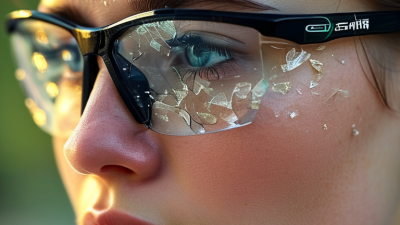
Impact lenses are crucial for safety and performance in various activities. Understanding their definition and importance can significantly enhance protection measures. Impact lenses are designed to withstand high-velocity impacts. They are often used in environments where eye safety is paramount, such as construction sites or during sports. According to a report from the American National Standards Institute (ANSI), over 2,000 eye injuries occur daily in the workplace in the U.S. Many of these could be prevented with proper lens selection.
Choosing the right impact lens isn't always straightforward. Factors like lens material, thickness, and UV protection play essential roles. Polycarbonate lenses are known for their high impact resistance. They can withstand hazardous impacts but might scratch more easily than other materials. A report by the Occupational Safety and Health Administration (OSHA) highlights that the optical quality of lenses also matters. Poor optical quality can lead to visual fatigue and decreased performance.
It's essential to consider not just the specifications but also personal comfort. Some may find heavier lenses cumbersome, which can distract from performance and safety. Evaluating the balance between protection and comfort is key. Testing various options before making a choice can lead to better long-term satisfaction. Properly selected impact lenses not only enhance safety but also improve overall effectiveness in challenging environments.
Types of Impact Lenses: Features and Benefits
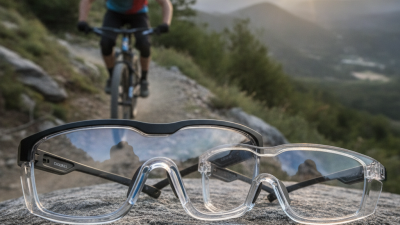
Choosing impact lenses involves understanding their types and features. Different lenses provide unique benefits tailored to distinct activities. Polycarbonate lenses are popular due to their lightweight and shatter-resistant properties. According to the American National Standards Institute (ANSI), these lenses can withstand high-velocity impacts, making them ideal for sports and industrial use.
Another option is Trivex lenses, known for their optical clarity and impact resistance. These lenses are 10% lighter than polycarbonate. A report from the Optometry Association indicates that they offer superior visual acuity while ensuring safety. However, they might not be as scratch-resistant, which can affect their longevity in harsh environments.
Photochromic lenses offer versatility by adjusting to varying light conditions. This feature is crucial for outdoor enthusiasts. A study by the Vision Council found that nearly 70% of users prefer lenses that adapt automatically. However, the transition speed can vary among brands, leading to potential dissatisfaction for some. When selecting impact lenses, consider both performance and specific needs for the best experience.
Factors to Consider When Choosing Impact Lenses
When choosing impact lenses, several key factors come into play. The lens material is crucial for safety and performance. Polycarbonate lenses are favored for their high impact resistance and lightweight characteristics. According to the American National Standards Institute (ANSI), lenses made from polycarbonate can withstand impact forces much better than traditional glass or plastic lenses. This makes them ideal for sports and industrial applications where safety is paramount.
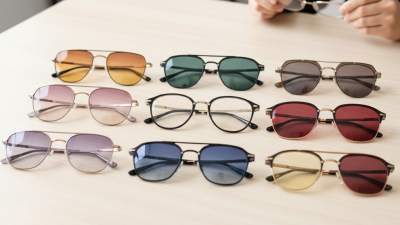
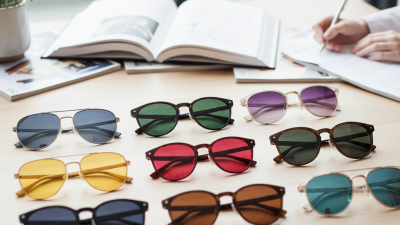
Another critical factor to consider is lens tint and coating. Tints can enhance vision in different environments, while coatings like anti-fog and scratch-resistant layers can prolong the lifespan of the lenses. Research indicates that nearly 70% of users experienced improved visual comfort with the right tint under bright conditions. Choosing the correct tint based on your activities can greatly enhance performance.
While it's easy to focus on material and coatings, comfort is also essential. Lenses that fit poorly or are too heavy can lead to headaches or distractions. Be sure to try on different styles before making a decision. Inadequate fitting can compromise not only comfort but also safety, preventing you from performing at your best.
2026 How to Choose Impact Lenses for Optimal Performance?
This chart illustrates various factors affecting the choice of impact lenses, specifically focusing on clarity, impact resistance, UV protection, and comfort. Each factor is rated on a scale from 1 to 10, representing their importance in achieving optimal performance.
Evaluating Lens Materials for Durability and Clarity
When selecting impact lenses, evaluating the materials is crucial. The right lens offers more than just vision clarity; it also provides protection. Polycarbonate and Trivex are popular choices due to their impact resistance. These materials can withstand significant force, making them ideal for outdoor activities and sports. However, they can sometimes scratch easily. Despite high durability, it’s vital to use proper care against wear.
Clarity is another essential factor. Lens tinting can impact how light is perceived, altering clarity. Clear lenses may offer optimal visibility, but tinted options are favored in bright conditions. Choosing the correct tint affects depth perception and reduces glare. Users should consider specific environmental conditions when determining the best fit.
Ultimately, personal experiences can differ. Some may prefer lightweight lenses, while others prioritize durability. It’s important to balance these elements based on individual needs. Taking time to test various materials ensures a better fit and performance. Each choice comes with trade-offs, making reflection on personal preferences essential in the decision-making process.
Optimal Lens Coatings for Enhanced Performance
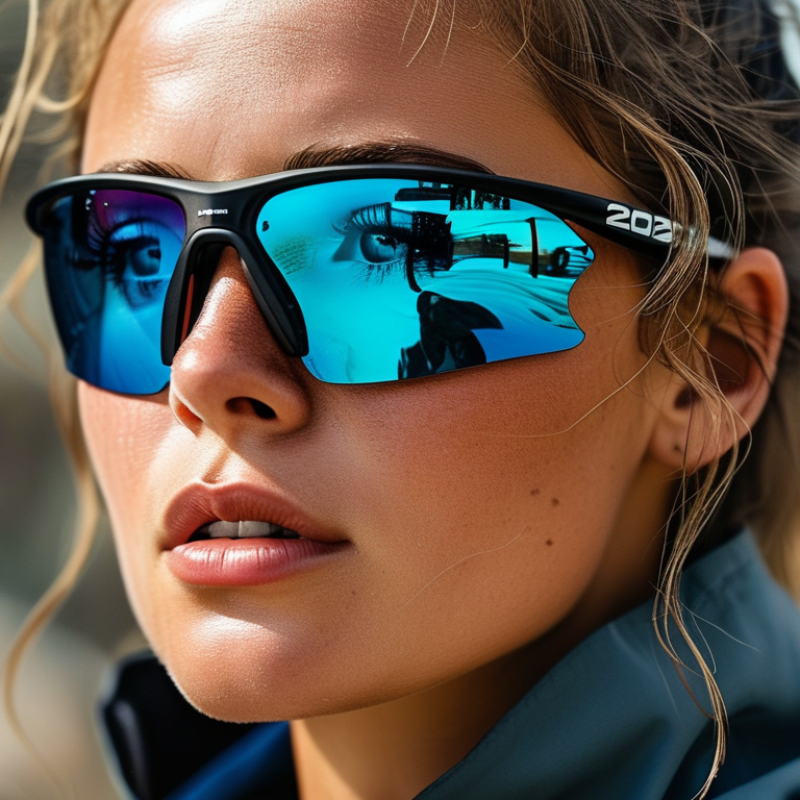
Choosing the right lens coatings can significantly enhance your visual experience. Optimal coatings are essential for improving contrast, reducing glare, and providing UV protection. Different activities require different coatings. For instance, outdoor sports benefit from anti-reflective and polarized options, which minimize surface glare and improve clarity. These coatings help athletes perform better by ensuring clear vision.
Another critical aspect is scratch resistance. Lenses can easily get damaged, impacting performance. A durable coating will prolong the life of your eyewear. It’s essential to consider the environment where you will use these lenses. Working in harsh conditions? Look for coatings that can withstand abrasion. Reflections and distortions can hinder your focus, so selecting the appropriate coating makes all the difference.
Not every coating suits every individual. Personal preferences and specific needs should guide your choice. It's worth researching and testing different lenses before committing to a pair. Take time to reflect on your unique vision requirements. The wrong choice can lead to discomfort and reduced performance. Consider consulting an expert if you're uncertain. Your eye health is paramount, and a knowledgeable professional can provide invaluable advice.
2026 How to Choose Impact Lenses for Optimal Performance? - Optimal Lens Coatings for Enhanced Performance
| Lens Type |
Impact Resistance (ANSI Standard) |
Coating Type |
UV Protection (%) |
Anti-Fog Feature |
| Polycarbonate |
Z87.1 |
Hard Coating |
99% |
Yes |
| Trivex |
Z87.1 |
Anti-Reflective |
100% |
Yes |
| Glass |
Z87+ |
Scratch Resistant |
98% |
No |
| Polycarbonate with Mirror Coating |
Z87.1 |
Mirror Coating |
99% |
Yes |