How to Choose the Best Impact Lenses for Global Buyers?
Choosing the right Impact Lenses requires more than comparing prices, colors, or advertising claims. Global buyers must examine protection, optical clarity, comfort, and verified compliance. A lens that performs well in a quiet laboratory may feel unsuitable beside flying metal fragments, warehouse dust, or intense outdoor glare.
Dr. Gary Heiting, an experienced optometrist and optical writer, notes that “polycarbonate lenses are a good choice for children and adults who lead active lifestyles.” This practical observation matters because polycarbonate combines impact resistance with lightweight comfort. However, material alone does not guarantee dependable protection. Buyers should review lens thickness, coatings, frame compatibility, ultraviolet protection, and documented testing.
Standards also deserve careful attention. ANSI Z87.1, EN166, and AS/NZS 1337.1 may involve different marking systems and testing requirements. Suppliers should provide current certificates, test reports, and traceable product information. Local workplace rules must also be checked before purchase. Marketing language is not evidence.
Look closely.
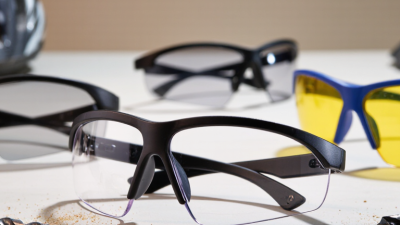
Experienced procurement teams often request samples and test them under realistic working conditions. They inspect visibility after several hours, not only during a brief demonstration. Anti-scratch coatings can improve service life, while anti-fog performance may matter more in humid workshops. Tinted Impact Lenses can reduce glare, but excessive darkness may affect visibility indoors.
No selection guide is flawless. Buyer priorities can conflict. Maximum protection, low weight, wide vision, and low cost rarely arrive together. A reliable decision balances these limits and records why each compromise was accepted. That disciplined approach helps global buyers choose lenses that protect people, support compliance, and remain practical in daily use.
What Are Impact Lenses and How Do They Work?
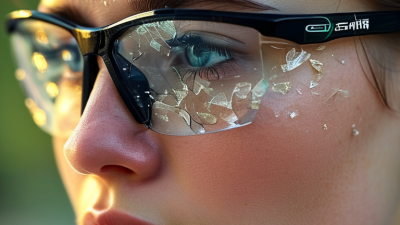
Impact lenses are protective lenses designed to resist flying particles, accidental knocks, and everyday workplace hazards. They are commonly made from polycarbonate or other tested materials. Unlike ordinary eyewear, they absorb and spread impact energy across the lens surface. This reduces the chance of shattering near the eyes.
A reliable lens should combine impact resistance with clear vision. Look for documented testing, suitable optical quality, and a secure frame fit. Regional standards may differ, so global buyers should check requirements in the destination market. Markings on the product or packaging can help confirm its tested performance. However, markings alone are not enough. Suppliers should provide current test reports and traceable product information.
Tips: Check the lens material, coverage, ventilation, and fit. Hold the eyewear at eye level and inspect for distortion. Try it with the user’s usual helmet or hearing protection. A lens that feels tight may be ignored later. No lens is perfect. Dust, scratches, poor storage, or an incorrect fit can reduce protection. I have found that comfort is often treated as a minor detail, but it strongly affects consistent use. Buyers should review real working conditions, not only catalogue specifications.
Which Safety Standards Should Global Buyers Compare?
Global buyers should compare safety standards before comparing lens colors, coatings, or frame styles. Impact protection is not a universal claim. In product evaluations, I check the exact marking, test class, and certification scope. ANSI/ISEA Z87.1 covers performance for many occupational protectors in the United States. EN 166 defines European requirements, including optical quality and mechanical strength. These systems use different markings and testing language. A lens passing one standard may not automatically satisfy another market’s procurement rules. That detail matters.
Compare impact levels, not just the standard number. EN 166 may show increased-strength or high-energy impact markings, while ANSI products use designated impact markings on compliant protectors. CSA Z94.3 and AS/NZS 1337.1 are also important references for Canadian, Australian, and New Zealand buyers. Check whether the marking appears on both the lens and frame when required. Ask for current test reports, declaration documents, and traceable batch information. A supplier should explain who tested the product and which edition applied. Vague certificates deserve caution.
Workplace conditions should guide the comparison. Fine dust, metal fragments, ultraviolet exposure, and repeated cleaning can affect lens performance. A laboratory impact result does not prove comfort or long-term clarity. Inspect hinge alignment, lens retention, anti-fog behavior, and distortion across the viewing area. I have seen buyers focus on a certificate and overlook poor fit. That mistake is easy to repeat. Regional acceptance should be confirmed with the importer or safety professional before shipment.
How to read this comparison:
The chart shows the representative test velocity associated with a high or maximum impact class in selected global eye-protection standards. These values are not equivalent performance scores because the standards use different projectile sizes, masses, test distances, and pass/fail requirements. Buyers should verify the complete marking, test method, optical requirements, and certification documents for the target market.
References:
ANSI/ISEA Z87.1-2020; EN 166:2001; AS/NZS 1337.1:2010; CSA Z94.3-20. EN 166 impact classes: F = 45 m/s, B = 120 m/s, A = 190 m/s. ANSI/ISEA Z87.1 high-impact testing uses a 1/4-inch steel ball at 150 ft/s, approximately 45.7 m/s. CSA high-velocity and AS/NZS high-impact tests are commonly specified at approximately 45 m/s.
How to Evaluate Lens Materials, Coatings, and Optical Quality?
Choosing impact lenses for global buyers requires more than comparing prices. The material affects safety, comfort, and visual clarity. Polycarbonate offers strong impact resistance and light weight. Trivex can provide excellent clarity with similar protection. High-index materials may reduce thickness, but they are not always the best choice for demanding environments.
Optical quality deserves careful testing. Check the lens power across the center and edges. Noticeable distortion can cause eyestrain, especially during long shifts or frequent head movement. A higher Abbe value often means less color fringing, but real-world comfort still depends on the prescription and frame design. Coatings also matter. A hard coat helps reduce scratches, while an anti-reflective layer can limit glare from screens or overhead lighting. Confirm that UV protection is included, and request independent test reports rather than relying on a sales claim.
Tips: Ask for material data, coating durability results, and impact-test documentation. Compare samples under bright light. Look for waves, tiny bubbles, or uneven reflections. Keep regional standards in mind, because acceptance requirements differ between markets. I have seen good lenses fail early when coatings were poorly applied. That was a useful reminder: material selection alone does not guarantee reliability. Also, some buyers focus too heavily on maximum impact ratings and overlook fit, ventilation, and edge distortion. Safety is practical, not theoretical.
How to Match Impact Lenses With Different Work Environments?
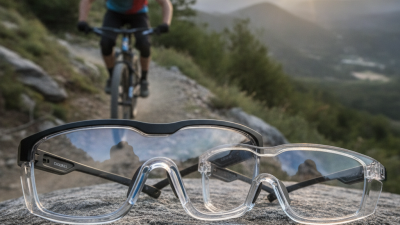
Choosing impact lenses starts with the work environment, not the product appearance. A clear lens suits indoor construction, workshops, and areas with stable lighting. It helps workers notice small parts and surface defects. For outdoor tasks, lenses with ultraviolet protection reduce glare and visual fatigue. Tinted options can improve comfort, but overly dark lenses may hide hazards.
Machining areas need lenses tested for high-speed particles and side protection. Dusty sites may require a closer frame seal, especially during cutting or grinding. In laboratories, impact resistance alone is insufficient. The lens and frame should also match the expected splash exposure. For warehouses, amber or light-enhancing lenses may support visibility in dim aisles. However, color enhancement can distort certain signals. Trial fitting matters.
Fit is often underestimated. A lens can meet a recognized safety standard and still move during lifting, bending, or sweating. Buyers should check impact ratings, optical quality, UV performance, ventilation, and compatibility with helmets or hearing protection. Ask for independent test documentation and clear replacement guidance. Some choices remain imperfect. Workers may prefer lighter lenses, while supervisors may prioritize maximum coverage. The best decision comes from observing real tasks, speaking with users, and reviewing near-miss records. Recheck the choice when lighting, tools, or job duties change.
What Should Buyers Check Before Ordering Impact Lenses Internationally?
How to Choose the Best Impact Lenses for Global Buyers?
Before ordering impact lenses internationally, buyers should verify the exact protection standard required in the destination market. ANSI/ISEA Z87.1, EN 166, and AS/NZS 1337.1 are not interchangeable labels. Ask for the current test report, product marking photos, and laboratory accreditation. The report should identify lens material, thickness, impact energy, optical quality, UV performance, and production batch. A vague “high impact” claim is not evidence. It is a warning.
The World Health Organization’s World Report on Vision estimates that at least 2.2 billion people have near or distance vision impairment worldwide. Safer protective eyewear supports prevention, but only when fit and testing match real use. Check whether the lens is designed for machinery, construction dust, sports impact, or chemical splash. These hazards differ. Request samples before approving a large shipment. Inspect edge finishing, frame alignment, scratching, distortion, and clarity under bright light. Small defects become serious after hours of wear.
International buyers should also confirm packaging, traceability, replacement terms, and customs documents. Each carton should show model, batch number, standard, and care instructions. Verify that certificates belong to the exact lens design, not a similar sample. This step is often skipped. It should not be. Even experienced teams can trust polished paperwork too quickly. Independent laboratory confirmation may add cost, but it can prevent rejected cargo and unsafe products.