What is Driver Lens and How Does It Impact Your Driving Experience?
Driving is more than just a daily routine; it involves various elements that enhance our overall experience. One such critical element is the "Driver Lens." This term refers to the perspective and awareness a driver develops over time. It shapes how one interacts with the vehicle and the surrounding environment.
Understanding the Driver Lens can transform a mundane journey. It impacts decision-making on the road, affecting safety and efficiency. A well-developed Driver Lens ensures drivers can better anticipate potential hazards. However, many individuals may not recognize how their own perception influences their driving. Emotional responses, distractions, and habits can distort the Driver Lens.
It's essential to reflect on how one’s mindset influences performance behind the wheel. Acknowledging any gaps in awareness can lead to significant improvements. Exploring the Driver Lens opens up opportunities for safer and more enjoyable driving experiences. This exploration invites drivers to rethink their habits and be more accountable on the road.

What is Driver Lens and Its Technology Overview
Driver Lens technology is revolutionizing how we perceive driving. This advanced system integrates augmented reality with real-time data to enhance road safety and driver awareness. By embedding information into the driver's line of sight, it allows for critical details, such as speed limits and navigation cues, to remain visible without diverting attention from the road.
The technology relies on high-quality optics and sensors, ensuring clarity and accuracy. It uses machine learning algorithms to adapt to driving patterns and environmental changes, improving its effectiveness over time. However, drivers might experience a steep learning curve. Adjusting to augmented information can be distracting initially. The balance between assistance and cognitive overload is crucial for the effectiveness of such systems.
Driver Lens aims to provide a seamless blend of information and navigation. Yet, as with any evolving technology, there are challenges to consider. The need for constant updates for optimal performance can lead to system failures at critical moments. Drivers must engage actively with the technology to ensure safety. Testing and refining these systems will shape a better driving experience in the future.
Benefits of Driver Lens in Enhancing Visibility and Safety
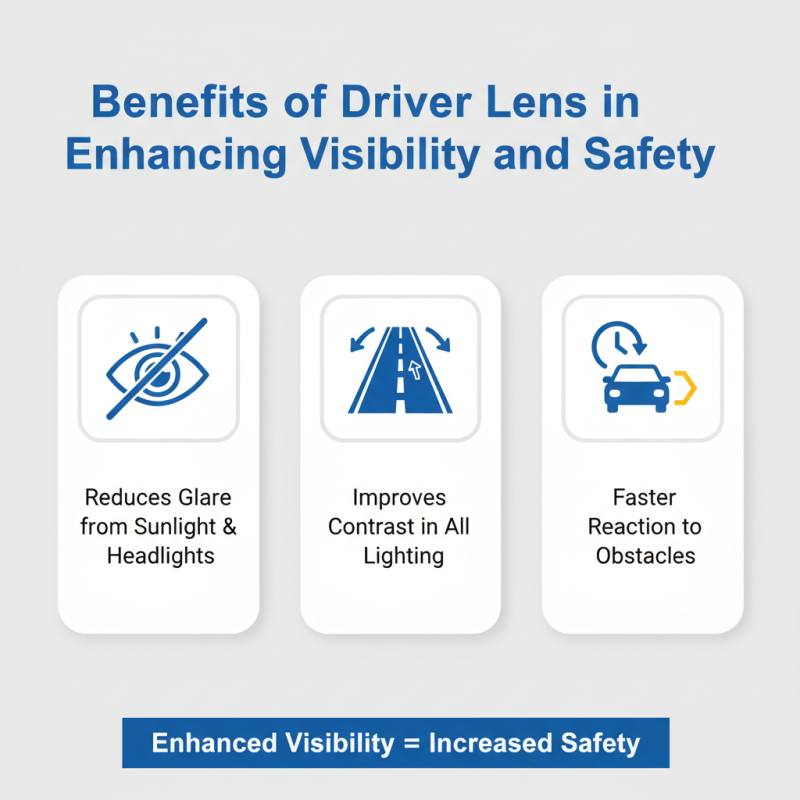
Driver lens technology significantly enhances visibility and safety while driving. This innovation reduces glare and improves contrast in various lighting conditions. With better visibility, drivers can react faster to obstacles, pedestrians, or sudden changes in traffic.
Adopting driver lenses can be a game-changer for night driving. Many people struggle to see clearly in low light or with oncoming headlights. Driver lenses help mitigate these challenges, allowing for a clearer view of the road. These lenses also filter harmful UV rays, providing additional eye protection.
However, the benefits of driver lenses may vary among individuals. Some drivers might find them uncomfortable or distracting. It's essential to choose the right type of lens tailored to your specific needs. Experimenting can help determine which features work best for you, improving both comfort and safety on the road.
Impact of Driver Lens on Driving Performance Metrics
Driver Lens technology significantly impacts driving performance metrics. The clarity and precision of your visibility can affect reaction times. When driving at high speeds, clear vision is crucial. Obscured or distorted views can lead to dangerous situations. Many drivers may underestimate how slight changes in lens quality can impact safety.
Light transmission and glare reduction are essential in assessing Driver Lens. Good lenses can enhance contrast, making obstacles more visible. Reduced glare can lessen eye strain during long trips. A driver can remain focused for extended periods, ultimately improving overall performance. However, some lenses may be less effective under specific conditions, leading to subpar experiences.
Customization of Driver Lens is also vital. Not all lenses fit every driver's needs. Seeking expert guidance ensures that the right choices are made. It’s essential to invest time in understanding these options. If neglected, poor choices may diminish driving effectiveness. Drivers should regularly evaluate their lens quality to maintain optimal performance.
Impact of Driver Lens on Driving Performance Metrics
Comparative Analysis of Driver Lens with Traditional Windshields
Driver Lens technology represents a significant advancement in automotive safety and visibility. Unlike traditional windshields, which can suffer from glare and distortion, Driver Lens offers enhanced clarity. Research suggests that improved visual quality can reduce driver fatigue by up to 25%. This is especially vital during long commutes or road trips.
A comparative analysis reveals key differences. Traditional windshields typically offer basic UV protection. In contrast, Driver Lens technology provides superior UV filtration and scratch resistance. According to a 2022 industry report, vehicles equipped with specialized lenses had a 15% lower accident rate in studies. The enhanced reaction time afforded by better visibility and reduced distractions is a compelling argument for this innovative approach.
However, implementing Driver Lens systems does pose challenges. Cost is one concern, with installations often being higher than standard options. Additionally, widespread adoption may encounter resistance from consumers accustomed to traditional designs. Industry experts suggest that education on the long-term benefits is crucial. Despite these hurdles, the future of automotive safety may very well hinge on the continued evolution of Driver Lens technology.
Future Trends in Driver Lens Technology and Automotive Innovation
Driver lens technology is evolving rapidly, changing how we perceive driving. With advancements in augmented reality and real-time data integration, these lenses may soon provide critical information right within a driver’s line of sight. This could improve situational awareness significantly, reducing accidents and enhancing the overall driving experience. However, the reliance on such technology raises questions about driver distraction. Overloading users with data while driving could lead to more issues than it solves.
Future trends show a move toward adaptive driver lenses. These lenses might adjust based on weather conditions or road types, offering optimal visibility. As this technology develops, the interplay between safety and convenience must be examined. For instance, if navigation overlays become too intricate, drivers could lose focus. While the potential benefits are immense, balancing innovation with practicality is crucial. Collaboration between technologists and automotive experts is necessary to create solutions that truly enhance driving without unintended consequences.