Leave Your Message

How to Choose the Best Impact Lenses for Your Needs?

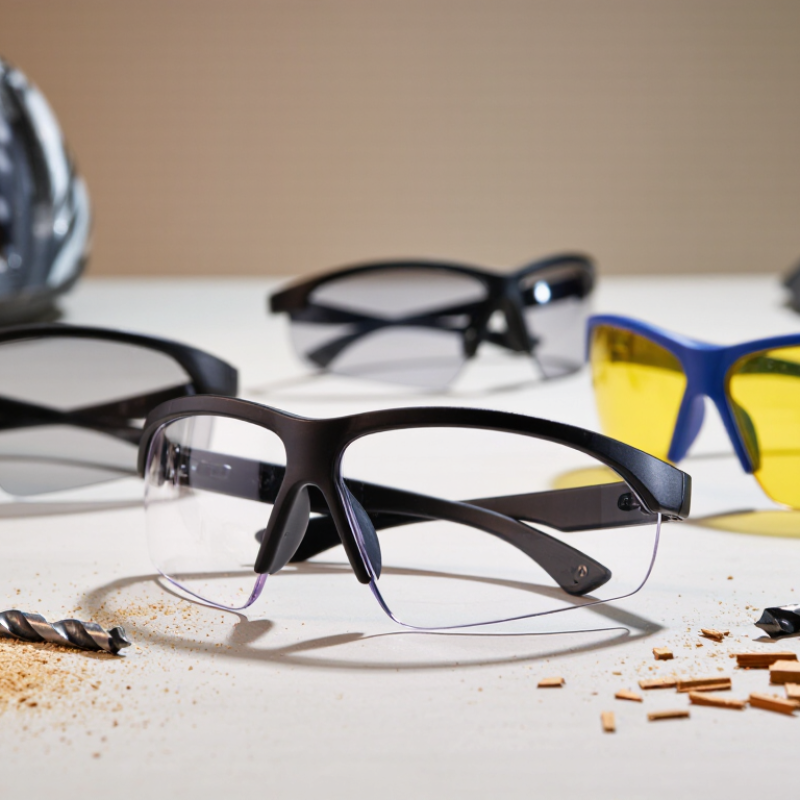
Choosing the best Impact Lenses starts with a simple question: what could strike your eyes, and how often? A workshop may expose you to flying chips, while cycling brings wind, grit, and sudden debris. OSHA’s Eye and Face Protection guidance cites an estimate of about 2,000 U.S. workers receiving medical treatment for job-related eye injuries each day. That is not trivial. The figure makes lens selection a practical safety decision, not just a matter of comfort or style.

For workplace protection, ANSI/ISEA Z87.1-2020 sets performance and marking requirements for eye and face protectors. Check that the complete eyewear—not merely the lens material—meets the rating required for your task. Polycarbonate lenses are commonly chosen for impact resistance and low weight, but material alone does not guarantee protection. Fit, frame coverage, optical clarity, coatings, and compatibility with prescription needs matter too. A lens that slips, fogs, or distorts vision may not serve you well, even when its specifications look impressive. Some details are easy to overlook.

This guide will compare lens materials, impact ratings, tints, coatings, and fit, then explain how to match them to real conditions. There is no universal “best” lens. The right choice depends on the hazards, lighting, and time you spend wearing it. And honestly, product labels do not always make those trade-offs clear.
How to Choose the Best Impact Lenses for Your Needs?

Understanding Impact Lenses and Their Protection Ratings

Impact lenses are tested, not simply described as “strong.” In the United States, ANSI/ISEA Z87.1-2020 sets performance requirements for occupational eye and face protection. Look for the appropriate impact marking, such as Z87+ for protectors meeting the standard’s high-impact requirements. Check the lens and frame together; a rated lens in a poorly fitting frame can leave gaps. Ratings matter.

NIOSH has cited an estimate of about 2,000 U.S. workers suffering job-related eye injuries requiring medical treatment each day. That figure covers varied workplace hazards, not impact injuries alone, but it shows why a clear rating is more useful than appearance. Match protection to the task: flying chips from drilling, for example, call for impact-rated eyewear with side coverage. Dust protection is a different concern. One rating does not solve every hazard.

Impact performance is also separate from UV protection, tint, and scratch resistance. Polycarbonate lenses are commonly chosen for impact protection, but material alone does not confirm a tested rating. Inspect lenses for cracks, deep scratches, or loose frame parts; damage can make protection less dependable. A small scratch seems harmless. It can still distort vision. Standards cannot account for every real-world fit or workplace condition, so review the hazard assessment and manufacturer’s instructions, and replace damaged eyewear promptly. I’d be cautious about assuming that a higher-looking number always means better protection. The marking and the actual task need to match.
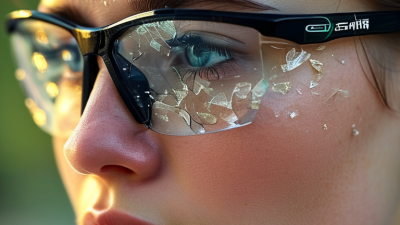
How to Choose Impact Lenses: Understanding Protection Ratings

Compare the published projectile speeds used in selected impact classifications. Choose eyewear rated for the hazards and coverage you need; test methods and ratings are not interchangeable.

How to read this: ANSI Z87+ indicates high-impact performance under ANSI testing. EN 166 class F is used for spectacles, goggles, and face shields; class B applies to goggles and face shields, and class A to face shields. These speeds describe different standards’ tests—not a direct ranking of equivalent protection. Check the marking on the complete eyewear and select protection suited to your task.

Identifying the Hazards and Level of Protection You Need

How to Choose the Best Impact Lenses for Your Needs?

Identifying the Hazards and Level of Protection You Need

Choosing impact lenses starts with identifying the hazard, not simply selecting the thickest lens. A CDC/NIOSH workplace eye-safety resource estimates that about 2,000 U.S. workers receive medical treatment for job-related eye injuries each day. Small fragments matter. Check whether work involves flying chips, falling debris, or particles approaching from the sides. A grinder can send grit upward beneath poorly fitted eyewear; a workshop task may create different risks.

Match the eyewear to the task and its impact level. In the United States, ANSI/ISEA Z87.1-2020 sets performance requirements for occupational eye and face protection. Look for the manufacturer’s stated impact rating and markings, commonly Z87+ for high-impact protection. A lens rating alone does not guarantee full protection: frame strength, side coverage, fit, and compatibility with prescription eyewear also matter. Standards and product markings differ by market, so check the documentation for the specific pair.

Assess the actual work area, including nearby tasks and changing tool angles. Ask workers what debris they see and where it lands; their observations can reveal gaps in a written hazard assessment. Fit matters, too. Try the eyewear while bending, turning, and wearing any required helmet or hearing protection. Fogging can tempt people to lift their glasses, which defeats the protection. Tough lenses help, but I would not treat toughness as the whole answer. A poor fit is easy to overlook.

Comparing Lens Materials, Thickness, and Optical Clarity

Impact lenses should be compared by material, not thickness alone. Polycarbonate is light and highly impact-resistant, but its Abbe value is about 30, so some wearers notice color fringing near the edges. Trivex typically has an Abbe value near 43 and can offer a useful balance of clarity and impact protection. These approximate figures appear in ophthalmic lens-material reference tables; actual results vary by lens design. Clarity matters. Check the view through the lens, especially at the sides.

Thickness depends on prescription, lens shape, and frame fit. A thicker lens is not automatically safer: material and tested lens construction matter too. ANSI/ISEA Z87.1-2020 evaluates protective eyewear through impact tests, including high-mass and high-velocity conditions. Look for the required impact marking and verify that the complete eyewear assembly is rated, rather than judging protection by appearance. A thin lens may be suitable when it is designed and tested for the intended use.

For daily work, compare optical clarity under the lighting you actually face. Reflections from overhead LEDs can reveal glare that a shop display hides. Ask an eye-care professional to check fit, prescription, and lens coverage together. I still check the edges. Small distortions there can become tiring during long shifts, even when the center looks sharp. A little discomfort is easy to dismiss, but it deserves another look.

Checking Fit, Coatings, and Compatibility With Your Gear

Fit should be your first check. A lens may look right on a table but shift when you move. Try the frame on, then look down, turn your head, and check for gaps around the edges. It should sit securely without pinching your nose or temples. If you wear a helmet or goggles, test them together. Straps and padding can press frames out of place. Small movements matter.

Coatings affect comfort and care. An anti-fog coating can help during exercise or temperature changes, while a scratch-resistant layer may handle everyday cleaning better. Neither coating makes a lens unbreakable. Check the care instructions before using cloths or cleaners; the wrong product can damage a surface treatment. A small detail, but easy to overlook. I would not choose a coating based on its name alone. Ask what conditions it is meant for.

Check compatibility with your complete setup, including prescription inserts, face shields, and helmet openings. Look for the lens dimensions and impact-rating details in the product specifications, and confirm they match your intended activity. Then test the setup for pressure points and clear vision. A lens can fit the frame and still feel awkward with your gear. That’s worth admitting before you buy.

Verifying Safety Standards and Long-Term Care Requirements

When choosing impact lenses, verify the safety rating before comparing tint or style. Look for clear markings on the lens or frame, then check the product documentation. Standards such as ANSI/ISEA Z87.1 or EN 166 may apply, depending on your location and workplace. Do not assume that “impact resistant” alone confirms a tested level of protection. Ask the supplier for test documentation if markings are missing or unclear. Small print matters.

Match the rating to the actual hazard, such as flying wood chips, metal fragments, or debris from yard work. A lens suitable for light tasks may not protect against high-energy impacts. Fit matters too: gaps at the sides can leave eyes exposed, even when the lens meets a standard. I can see how easy it is to focus on the rating and overlook fit.

For long-term care, follow the maker’s cleaning instructions. Rinse off grit before wiping; dry dust can leave fine scratches. Use a clean microfiber cloth and approved cleaner, not household solvents or rough paper towels. Store lenses in a case, away from tools, heat, and direct sunlight. Inspect them regularly under bright light. Replace lenses with cracks, deep scratches, loose frames, or cloudy areas that interfere with vision. I would not keep using a lens just because it still looks mostly clear; that judgment can be unreliable.

How to Choose the Best Impact Lenses for Your Needs? — Verifying Safety Standards and Long-Term Care Requirements
Selection Dimension What to Look For Practical Guidance Verification and Long-Term Care
Hazard and task Identify the likely hazards, such as flying particles, dust, chemical splashes, or high-speed impact. Choose protection for the actual task and exposure. Impact-rated eyewear may not protect against chemical splash, and ordinary safety glasses may not provide adequate protection for every high-energy hazard. Review the workplace risk assessment and the eyewear manufacturer’s instructions. Reassess protection when the task or work environment changes.
Applicable safety standard Check that the complete eyewear product—not just the lens material—meets the standard required in the region and workplace. In the United States, look for eyewear compliant with the applicable edition of ANSI/ISEA Z87.1. In Canada, check the applicable CSA Z94.3 requirements. Requirements differ by jurisdiction and application. Confirm compliance through the product markings, instructions, and supplier documentation. A standard or certification claim should be specific and verifiable; a CE mark alone does not describe the level of impact protection.
Impact rating and markings Look for the impact classification and markings required by the applicable standard. For U.S. eyewear, “Z87+” is commonly used to identify devices tested for high-impact requirements under ANSI/ISEA Z87.1. Marking details can vary by product type and standard edition. Check that markings are present on the eyewear as required and match the documentation. Do not assume that an unmarked replacement lens retains the rating of the original eyewear.
Lens material Consider impact performance, weight, optical clarity, and the conditions in which the lenses will be used. Polycarbonate is lightweight and commonly used in impact-protective eyewear. Trivex-type materials are also used in protective lenses. Material alone does not establish compliance; the finished product must be tested and rated. Use only lens replacements approved for the eyewear model and its safety rating. Replace lenses that are cracked, chipped, deeply scratched, or otherwise damaged.
Coverage and fit Check that the eyewear stays in place and provides suitable coverage for the direction of likely exposure. Side protection may be important where particles can approach from the side. For higher-risk tasks, goggles or a face shield worn with suitable primary eye protection may be required. Fit-test the eyewear during normal movement. Ensure it does not slide, pinch, or leave avoidable gaps. Keep the frame and side protection intact.
Optical clarity and lens tint Choose a clear, distortion-free lens and a tint appropriate for the lighting conditions. Clear lenses suit many indoor tasks. Tinted lenses can reduce visible light but should not be selected if they make hazards difficult to see. Tint does not indicate impact protection. Inspect lenses in good light for distortion, haze, and scratches. Replace lenses if damage interferes with clear vision or safe task performance.
UV protection Verify UV protection separately when exposure to ultraviolet radiation is a concern. Impact resistance and UV protection are different properties. Choose eyewear with a documented UV protection claim appropriate to the exposure; ordinary tint alone is not proof of UV protection. Follow the product’s stated use and care instructions. Do not rely on appearance or lens darkness to determine UV performance.
Compatibility with other equipment Check compatibility with prescription lenses, respirators, hearing protection, helmets, and face shields. Use prescription safety eyewear or approved over-glasses designed for the task. Equipment that pushes eyewear out of position or disrupts its seal may reduce protection. Try the complete equipment combination before use. Confirm that each item remains correctly positioned and that required safety markings are still visible.
Cleaning and daily care Use cleaning methods that will not damage lens coatings or the frame. Rinse off loose particles, then clean with lukewarm water and mild soap or a cleaner approved by the manufacturer. Dry with a clean, soft microfiber cloth. Avoid abrasive materials and unapproved solvents or household cleaners, which may scratch lenses or damage coatings. Store eyewear in a clean protective case when not in use.
Inspection and replacement Check the lenses, frame, hinges, side shields, and any straps before each use. Remove eyewear from service if it is cracked, deformed, loose, deeply scratched, or has damaged or missing parts. Replace it after a significant impact, even if damage is not immediately obvious. Follow the manufacturer’s replacement guidance and workplace procedures. There is no single replacement interval suitable for every product; frequency depends on condition, exposure, and use.