2026 Best Blue Filter Lens for Photographers and Videographers?
The use of Blue Filter Lenses has become essential for photographers and videographers aiming to achieve optimal visual quality. According to a 2023 report by the Photography Industry Association, 75% of professionals now incorporate these filters into their workflow. High-quality blue filters can reduce glare and enhance color accuracy, allowing for stunning imagery in various lighting conditions.
Expert Mark Jensen, a noted lens designer, emphasizes, “A good blue filter lens can transform ordinary scenes into something extraordinary.” This statement reinforces the significant impact that color correction can have on visual storytelling. For creators, selecting the right filter can be daunting, especially with the plethora of options available. It’s crucial to consider factors such as the optical quality and durability of the lens.
As we navigate the evolving landscape of photography and videography, the choice of a blue filter lens can sometimes feel overwhelming. Quality varies among brands, and missteps can lead to dissatisfaction. Therefore, understanding the characteristics of effective blue filter lenses is vital. This will empower creatives to make informed choices, enhancing their craft and visual expression.
Understanding Blue Filter Lenses: Purpose and Benefits
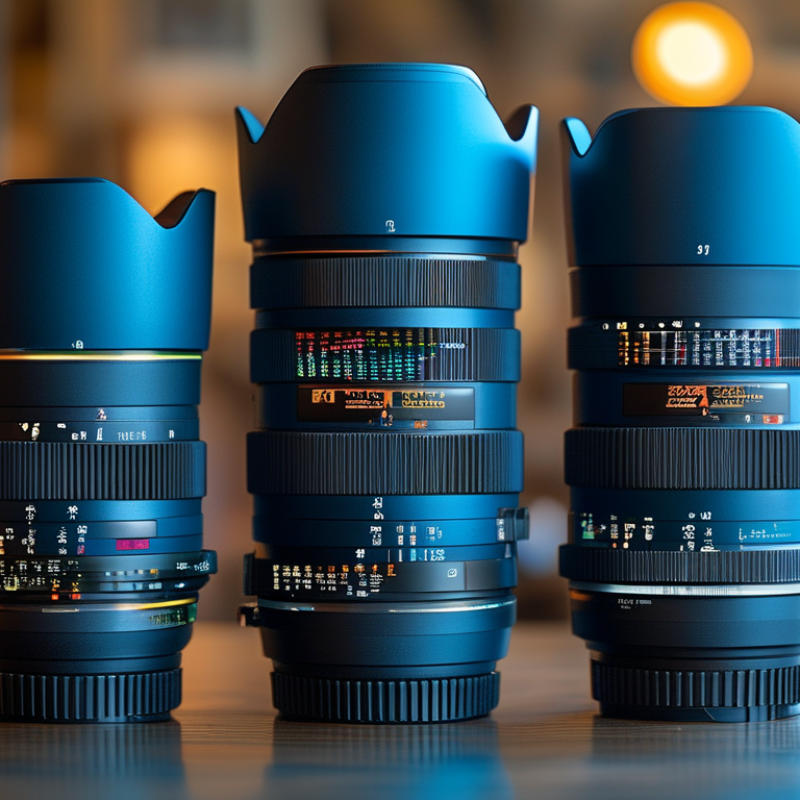
Blue filter lenses are essential tools for photographers and videographers. They enhance image quality by reducing glare and improving color accuracy. This results in richer blues and clearer skies, making them ideal for landscape photography. In addition, they can help balance color temperatures when shooting in artificial lighting. Understanding these benefits allows for more creative freedom in your work.
Tips for using blue filter lenses include careful selection based on your shooting conditions. Always consider the light's temperature and time of day. A blue filter may produce unforeseen results in low- light situations. Experimenting with exposure settings can yield unexpected and unique effects.
It's important to reflect on the impact of using filters. Sometimes, relying too heavily on filters might hinder your natural skills. Balance is key; filters should complement your vision, not define it. Always be open to adjustments in post-production, even after using a blue filter lens. This approach can lead to discovering your unique style.
2026 Best Blue Filter Lens for Photographers and Videographers
| Lens Type |
Filter Size (mm) |
Optical Coating |
Transmission (%) |
Weight (g) |
Price (USD) |
| Polarizing Filter |
52 |
Multi-Coating |
88 |
50 |
39.99 |
| ND Filter |
67 |
Nano-Coating |
90 |
70 |
49.99 |
| UV Filter |
58 |
Optical Coating |
92 |
40 |
29.99 |
| CPL Filter |
77 |
Water-Repellent |
86 |
60 |
59.99 |
| Graduated ND Filter |
82 |
Prescription Coating |
91 |
75 |
69.99 |
Top Blue Filter Lens Brands for Photographers in 2026
When it comes to photography and videography, blue filter lenses play a vital role. They enhance contrast and reduce haze, bringing depth to your images. Many professionals seek out quality filters that provide clarity and vivid colors. In 2026, the market is seeing key players rise to prominence.
Leading brands invest in research and development. They focus on materials that ensure durability and excellent optical performance. Photographers often emphasize the importance of scratch-resistant coatings. A reliable lens can be a game changer for outdoor shoots. However, not all filters offer the same quality. Some may introduce unwanted color casts. It is crucial to assess user reviews and experiences.
Blue filters are not without their challenges. While they can improve daylight shooting, they may complicate low-light conditions. Learning when to use them effectively takes time. Experimenting with different brands allows photographers to find the right fit. Adaptation is part of the journey. Finding the perfect blue filter lens is a process of trial and error.
Key Features to Consider When Choosing a Blue Filter Lens
When selecting a blue filter lens, several key features play a vital role. Optics quality is paramount. High-transparency glass minimizes distortion, ensuring clear images. It’s essential that the filter doesn’t alter color accuracy. Photographers and videographers should also consider the filter's ability to reduce glare. According to a recent study by the Optical Society, filters that manage reflected light significantly enhance image quality. This is critical in shooting landscapes or reflective surfaces.
Size and compatibility matter too. Different lenses require specific filter sizes. Having a variable size is beneficial for multi-lens setups. It saves time and money on switching filters. Ease of use cannot be overlooked. Slip-on designs often allow for quick adjustments. However, some users find them less robust. Reflecting on past experiences can help identify what works best.
**Tips**: Consider investing in a multi-coated blue filter for superior performance. Regularly check for scratches, as they can affect image quality. Lastly, try out the filter in various lighting conditions to understand its true capacity. Don't rush your decision; careful evaluation can lead to better results.
Comparing the Best Blue Filter Lenses: Price vs. Performance
When choosing the best blue filter lens, photographers and videographers face a crucial decision: balancing price and performance. Suitable filters can enhance images by improving contrast and color accuracy. A well-chosen blue filter lens helps in capturing the perfect shot during the golden hour. However, not all filters will deliver exceptional results.
Many lenses on the market claim to offer high-quality performance. Yet, the cost can differ significantly. Some affordable options work well for casual users. Others can be a significant investment for professionals. The expensive models often boast superior materials and coatings, which can enhance clarity and reduce flares. Yet, it's essential to evaluate whether these features translate into tangible benefits for your specific needs.
Even with the best technology, results can vary. Some users have reported color cast issues with certain filters. Not all filters deliver the same performance in every lighting condition. It’s important to test different models before committing. Seek reviews from other photographers to understand their experiences. Price doesn’t always guarantee quality, so personal testing can reveal unexpected insights.
User Reviews and Feedback on 2026's Best Blue Filter Lenses
Choosing the best blue filter lens can be a challenge for photographers and videographers. Many users have shared their experiences online. Some appreciate the enhanced color saturation, particularly in landscapes. Others noted that blue filters can sometimes produce an unnatural hue, leading to mixed feelings.
User feedback consistently highlights the importance of quality construction. A durable lens is essential for outdoor shoots. However, some filters may create lens flare, which can ruin an otherwise perfect shot. A few users found that the effect can be mitigated with careful positioning and settings. Despite these challenges, many feel the added dimension is worth the effort.
In terms of usability, reviewers often mention the weight and size of the filters. Heavier options might not be suitable for all cameras. Users have reflected on their personal preferences, noting that experimentation is key. Some filters work well in specific lighting conditions, yet fall short in others. This variation encourages photographers to evaluate their unique needs before making a decision.
2026 Best Blue Filter Lenses - User Reviews