

How do you choose a progressive corridor length?
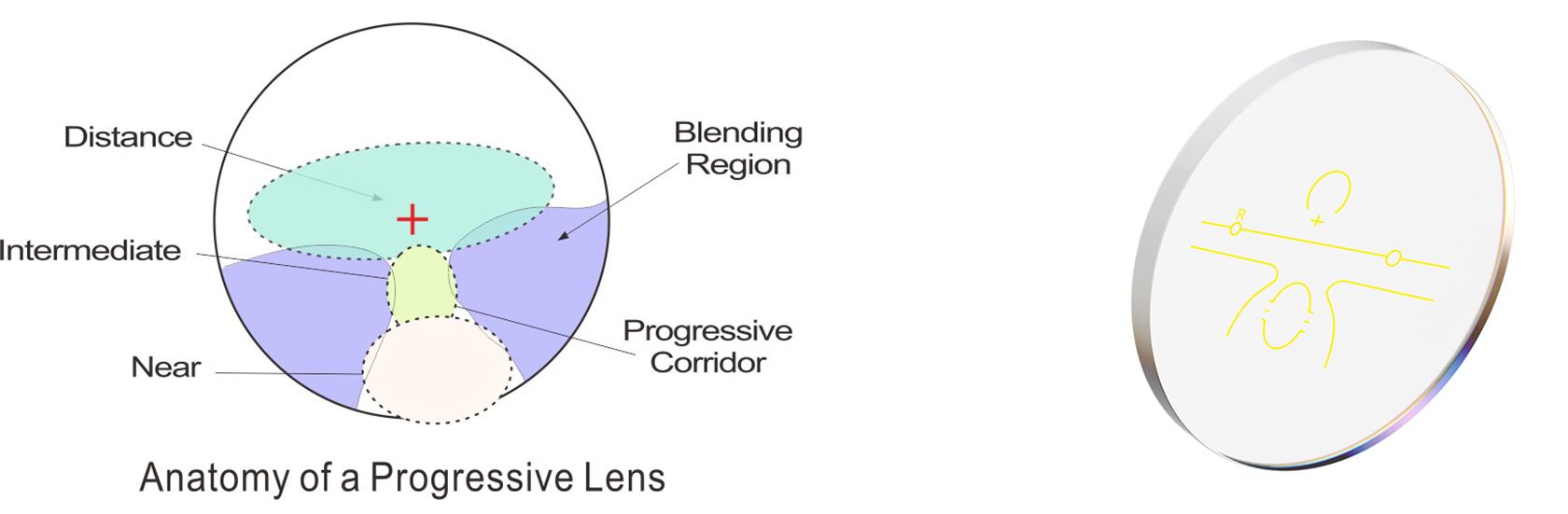
The progressive corridor is “the intermediate zone of a PAL that connects the distance and near vision areas”. The corridor length is measured vertically from the distance reference point (DRP) to the near reference point (NRP).
Corridors in the traditional market are typically categorized as: Short corridor (12–14 mm), which is designed for smaller frames or wearers with a low fitting height. Standard corridor (16–18 mm), which is the most common choice, balancing smooth power progression and distortion control. Long corridor or wide corridor (20 mm or more), which is used for larger frames or high-add prescriptions requiring a gentler power transition.
Traditional systems classify corridors simply as short, standard, or long, however, this oversimplification fails to address “critical variations in frame geometries” and “modern visual demands”.
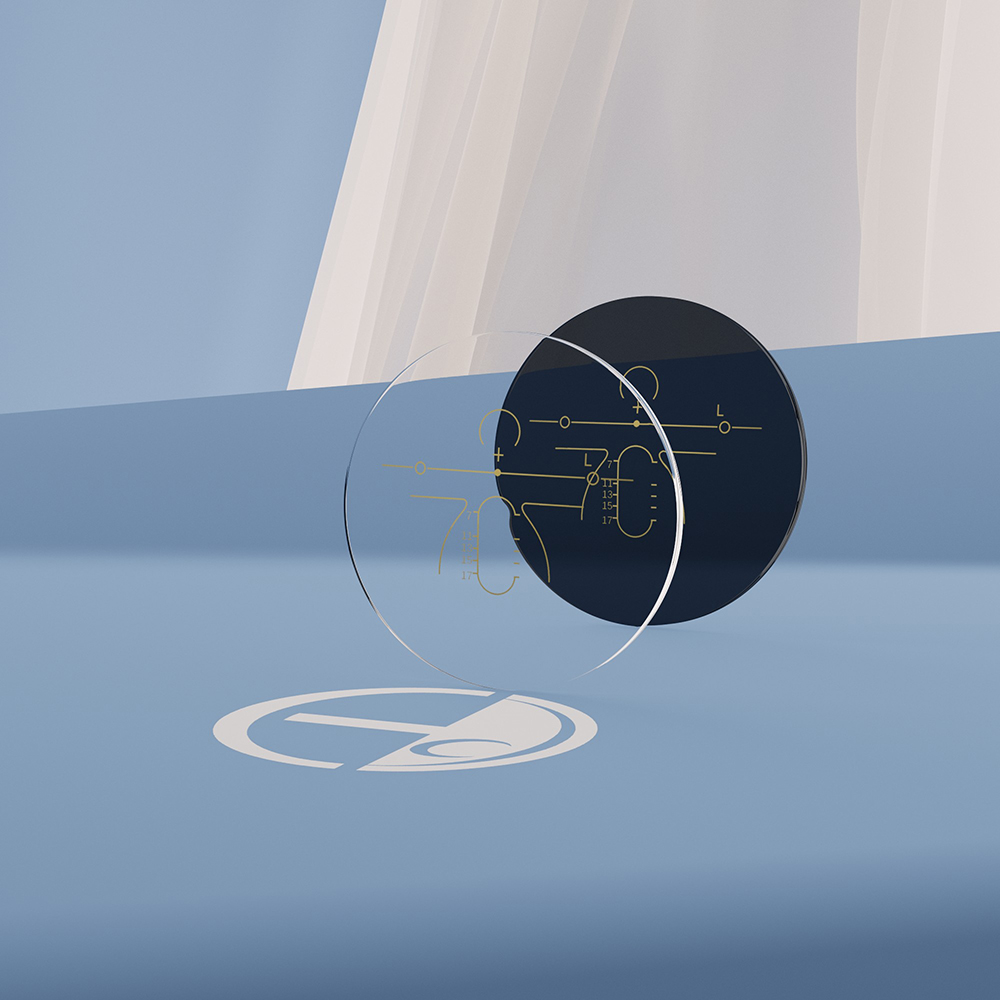
On the other hand, H&C Optik offers opticians and optometrists greater flexibility in lens customization. Our progressive designs use a dual-number system (X+Y) to specify the vertical distribution of optical power transition: First Number (X) indicates the primary progression length (distance to intermediate zone). Second Number (Y) indicates the near zone extension (additional height for near vision). Total Corridor Length (X+Y) is the full vertical transition from distance to near reference points. A 2022 clinical study published in Optometry & Vision Science showing wearers using similar X+Y system had: 41% faster adaptation time (7.2 days vs. 12.3 days industry average), 28% fewer distortion complaints, 93% first-fit success rate vs. 68% with traditional corridors.
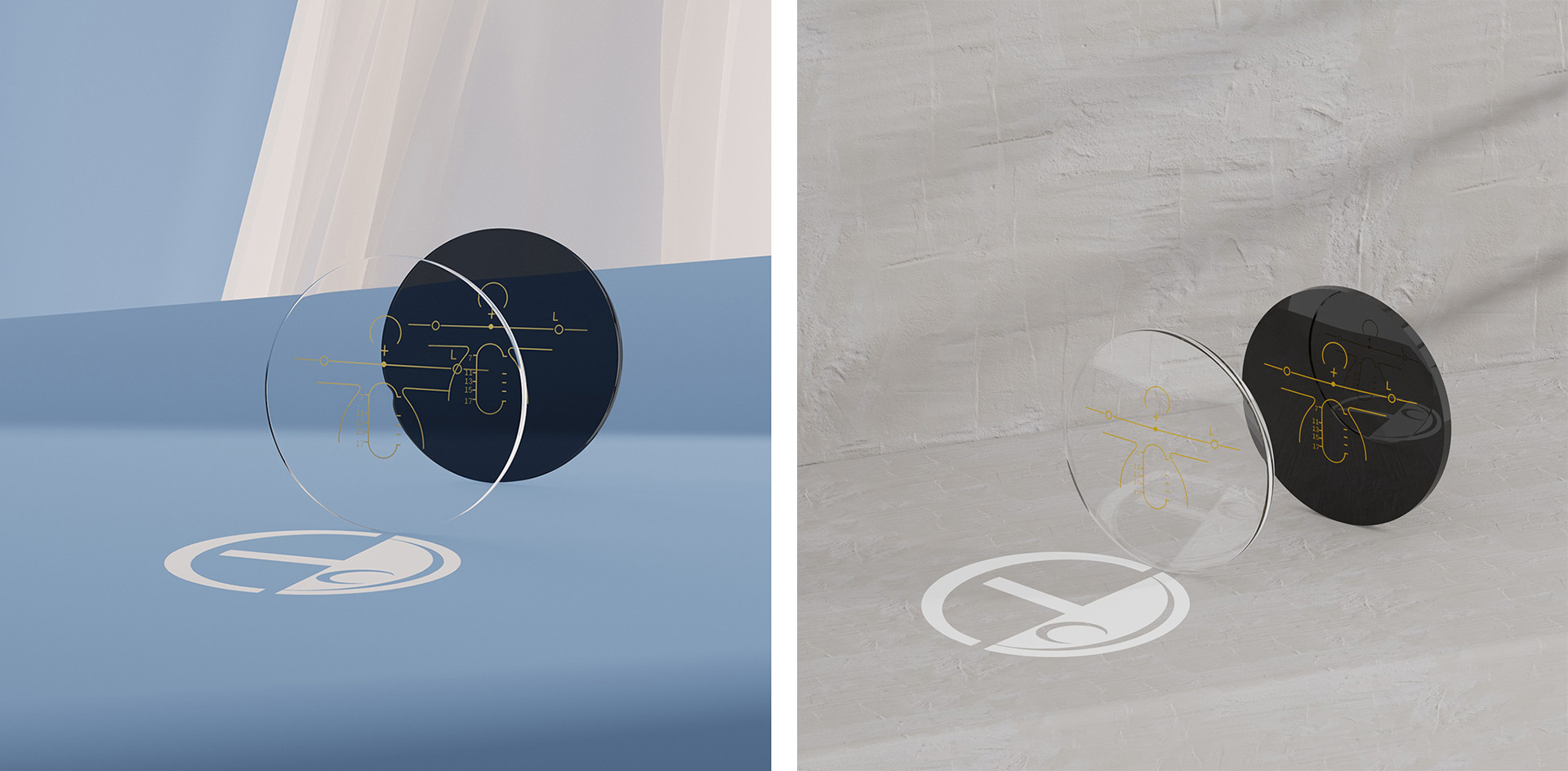
H&C Optik Progressive lens design chart
|
Notation |
Total Length |
Progression Slope |
Best For |
|
9+4 |
13mm |
Steep |
Small frames (B ≤25mm), low ADD (≤+1.25D), active wearers |
|
12+2 |
14mm |
Moderate-steep |
Compact frames, users prioritizing distance vision |
|
12+4 |
16mm |
Balanced |
Standard frames (B 26–30mm), ADD +1.50D to +2.50D |
|
13+3 |
16mm |
Gentle |
Larger frames (B >30mm), high ADD (≥+2.75D), office lenses |
H&C Optik Progressive corridor design chart for different activities
|
Lifestyle Need |
Recommended Corridor |
Advantage |
|
Office/Computer Use |
12+4 or 13+3 |
Wider intermediate zone for screen clarity. |
|
Driving/Sports |
12+2 |
Prioritizes distance vision with a shorter near zone. |
|
Reading-Dominant |
12+4 or 13+3 |
Larger near zone for prolonged comfort. |
|
First-Time PAL Wearers |
12+4 (standard) |
Eases adaptation with balanced progression. |
H&C Optik X+Y corridor classification system represents a significant advancement in PAL customization. We are moving beyond simplistic length categories to provide truly personalized solutions:
1) H&C Optik 12+4 and 13+3 long corridor:
Modern professionals spend an average of 6.8 hours daily switching between computers, and smartphones. Traditional 16mm corridors force excessive chin-up posture for intermediate vision. However, H&C Optik 12+4 and 13+3 designs will provide 38% wider intermediate zones, larger reading zone, and smoother power transitions.
2) H&C Optik 12+2 corridor:
For drivers, golfers, and sports enthusiasts, traditional progressives create dangerous peripheral distortion. H&C Optik 12+2 corridor delivers priority distance vision (top 12mm optimized for clarity) and minimal near zone intrusion (just 2mm vertical space)
3) H&C Optik 9+4 short corridor:
The 9+4's rapid transition eliminates smartphone "tucking" (reduced by 63%), provides instant near access (0.5s faster focus shifts) and fits trendy small frames (100% compatibility under 25mm B measurement).
4) H&C Optik 13+3 long corridor:
H&C Optik 13+3 delivers largest usable near zone (19% bigger than competitors), gentlest progression (0.58D/mm for fatigue-free use) and All-day comfort (82% report no afternoon blur).
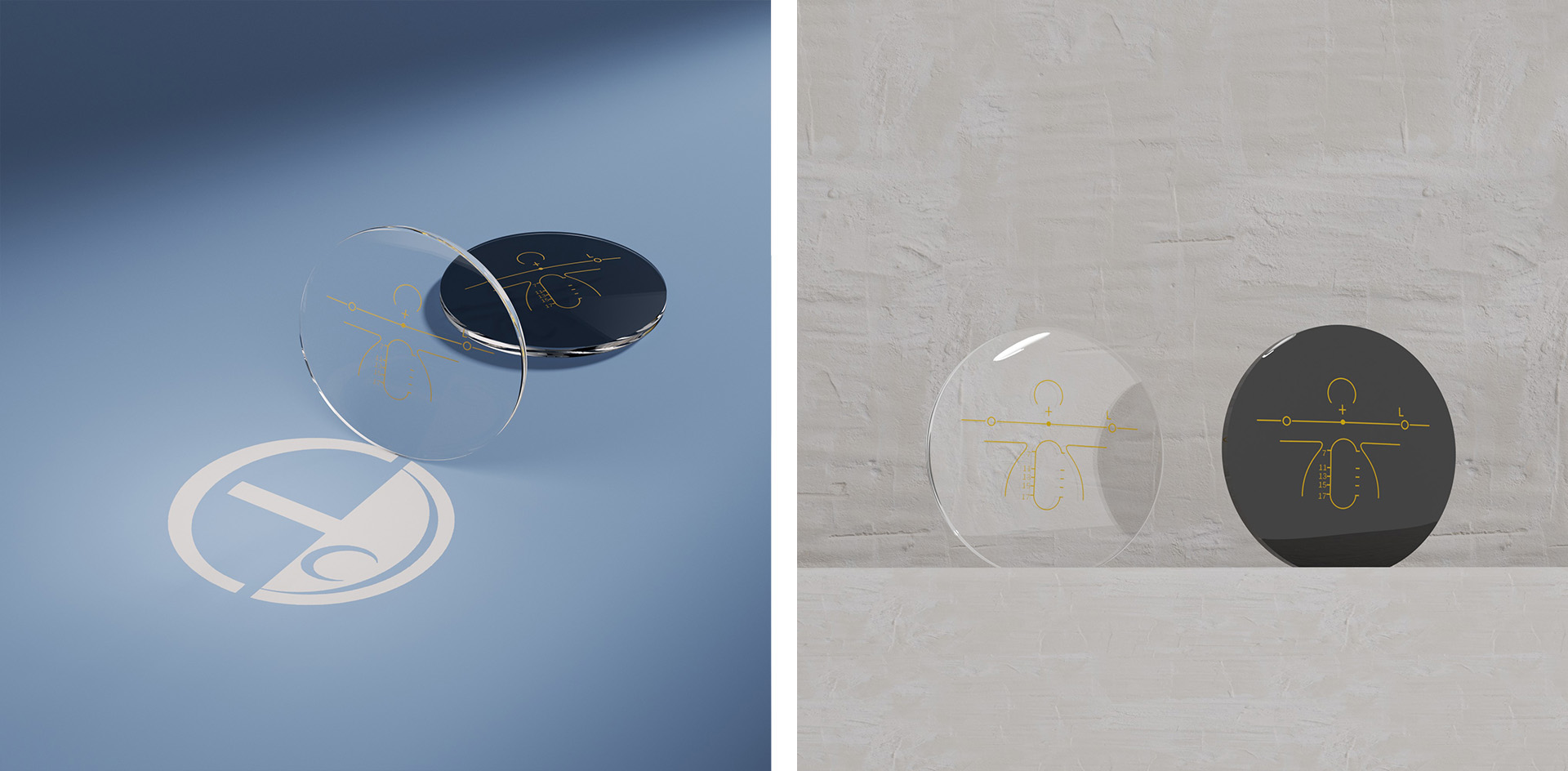
The future of progressive lenses isn't one-size-fits-all - it's right corridor, right patient, right lifestyle. H&C Optik gives you the options to deliver this precision in every progressive fitting.