Top 10 Benefits of Using Blue Filter Lens for Photography and Eye Protection?
In recent years, the use of a Blue Filter Lens has gained significant attention among photographers and eye care professionals. This lens offers unique advantages for both image capture and eye protection. As exposure to harsh light becomes a growing concern, understanding the benefits of Blue Filter Lenses is crucial.
One notable benefit is their ability to reduce glare. Photographers often face challenges when shooting in bright conditions. Blue Filter Lenses help to soften harsh light, producing clearer images. They also enhance color contrast. This can transform ordinary scenes into striking visuals. The lenses serve an important role in eye protection too. Prolonged exposure to blue light can lead to digital eye strain. Therefore, using these lenses not only boosts photography quality but also preserves eye health.
There are, however, some limitations. Not every photographer may feel the need for this filter. Some may prefer the unaltered feel of natural light. Each choice carries its own consequences. Evaluating whether to incorporate a Blue Filter Lens is a personal journey. Balancing artistic vision with health considerations is essential. The decision ultimately comes down to understanding both benefits and potential drawbacks.
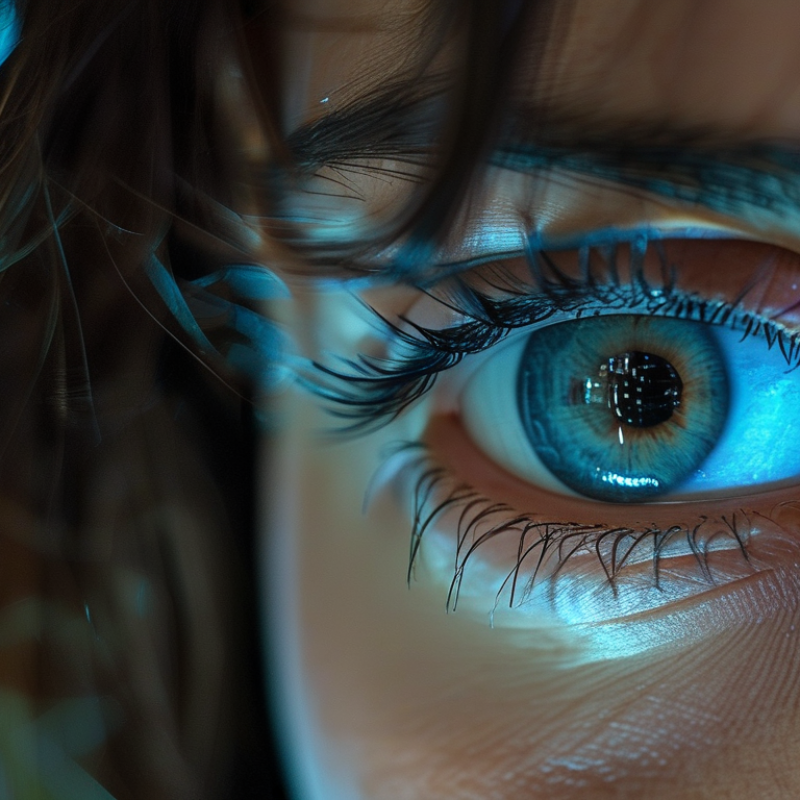
Benefits of Blue Filter Lenses in Photography: Enhancing Image Quality
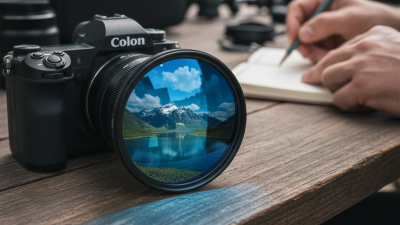
Blue filter lenses offer several benefits in photography that can significantly enhance image quality. By reducing blue light wavelengths, these lenses help to minimize color distortion. This effect helps create more vibrant and true-to-life colors in your photos. Many photographers notice improved contrast and better saturation when using blue filters. The result is an image that pops more visually.
Using blue filter lenses also aids in managing reflections and glare. When shooting in bright light conditions, such as on sunny days, these filters can cut through excess brightness. They help to maintain clarity and detail in both shadows and highlights. Photographers often find that blue filters can bring out hidden textures in landscapes or portraits. However, not every shot needs a blue filter, and excessive use can dull the overall vibrancy.
The balance between using a blue filter and getting too caught up in gear can be tricky. It's important to reflect on the scene and assess if a blue filter enhances or detracts from your intended image. Taking time to experiment with your settings can help you find what works best for your style. For many, the challenge lies in discovering the right moments to incorporate this tool without making it a crutch.
The Role of Blue Filter Lenses in Reducing Glare and Improving Visibility
Blue filter lenses are increasingly recognized for their role in reducing glare and enhancing visibility, particularly in photography. Glare occurs from bright lighting conditions and can adversely affect image quality. According to a report from the American Optometric Association, about 65% of photographers experience glare-related issues while capturing images outdoors. By using blue filter lenses, photographers can minimize this disruptive glare. These lenses selectively filter out harmful blue light wavelengths, which not only eases strain on the eyes but also optimizes contrast, making images sharper.
Tip: When using blue filter lenses, consider the shooting environment. Bright sunny days often necessitate stronger filters. Adjust your settings to compensate for the reduced light intake. Doing so can improve your overall shooting experience.
In addition to improved visibility, blue filter lenses protect the eyes from potential long-term damage caused by excessive blue light exposure. A study from the
Vision Council indicates that over 50% of people suffer from digital eye strain, with extended exposure to screens significantly contributing to this issue. Photographers frequently face this challenge, especially when shooting with digital equipment. While blue filter lenses can mitigate the effects of harsh lighting, they may not fully eliminate all glare.
Regular breaks and eye exercises are essential to maintain long-term eye health.
Tip: Pair your blue filter lenses with regular eye check-ups. This proactive measure helps ensure you monitor your eye health effectively, especially as your photography practice evolves.
Protection from Harmful Blue Light: Understanding Eye Health Statistics
The impact of blue light on eye health is a growing concern. Statistics show that excessive exposure can lead to digital eye strain. This condition is characterized by discomfort and fatigue after prolonged screen time. Many people ignore these symptoms, but they can worsen over time. Using blue filter lenses may help reduce this strain.
When choosing lenses, consider their protective qualities. Not all blue filter lenses are created equally. Look for those with high blue light blocking capacity. This ensures better eye protection against harmful wavelengths. Tips for optimal usage include taking regular screen breaks. Aim for a 20-20-20 rule: every 20 minutes, look at something 20 feet away for 20 seconds.
Incorporate these protective lenses into your photography routine. They improve color contrast and reduce glare. This helps you capture sharper images. Remember that while blue filter lenses offer advantages, over-reliance on screens remains a risk. Balance screen time with outdoor activities for better overall eye health.
How Blue Filter Lenses Enhance Color Accuracy in Various Lighting Conditions
Blue filter lenses have gained popularity among photographers for their ability to enhance color accuracy in various lighting conditions. These lenses selectively absorb specific wavelengths of light. By reducing excessive blue light, they help to balance out color casts in bright environments. This adjustment is especially useful during golden hour or under artificial lighting. Photographers can capture more vibrant and true-to-life images.
In addition to improving color accuracy, blue filter lenses can reduce eye strain. Many people experience discomfort from prolonged exposure to blue light. By wearing these lenses, photographers can enjoy longer shooting sessions without fatigue. However, it is important to remember that not every blue filter available offers the same benefits. Some may distort colors instead of enhancing them. This highlights the need for careful selection and testing.
Experimenting with different blue filters is essential for optimal results. Each filter affects colors in unique ways. Observing the changes can lead to better decision-making in the field. Learning from each experience creates opportunities for growth and improvement. It is crucial to remain aware of how different lighting interacts with filters. By reflecting on what works best, photographers can develop their skills further.
Top 10 Benefits of Using Blue Filter Lens for Photography and Eye Protection
| Benefit |
Description |
Impact on Photography |
| Enhanced Color Accuracy |
Blue filter lenses help in accurately capturing colors in various lighting conditions. |
Results in vibrant and true-to-life images. |
| Reduced Eye Strain |
Filters out harsh blue light, reducing fatigue during long shooting sessions. |
Enables photographers to work longer without discomfort. |
| Improved Contrast |
Increases contrast in images, especially in bright conditions. |
Enhances the visual depth of photographs. |
| Minimized Glare |
Reduces glare from reflective surfaces for clearer images. |
Improves overall image quality. |
| Protection from UV Light |
Filters harmful UV rays that can harm eyes. |
Ensures safe photography during outdoor sessions. |
| Reduced Color Casting |
Helps to manage color casts caused by mixed lighting. |
Ensures consistent color across photographs. |
| Enhanced Detail in High Contrast Scenes |
Brings out details in shadows and highlights. |
Captures more detail in dynamic lighting conditions. |
| Versatility in Photographic Styles |
Works well across various photography genres. |
Ideal for landscape, portrait, and wildlife photography. |
| Affordable Solution |
Cost-effective way to improve image quality. |
Accessible for amateur and professional photographers alike. |
| Long-lasting Protection |
Durable lenses provide ongoing eye protection. |
Ensures photographers' eye health over time. |
The Growing Popularity of Blue Filter Lenses Among Professional Photographers
The trend of using blue filter lenses is rapidly rising among professional photographers. These lenses help reduce glare and protect the eyes from blue light exposure. A study published in the *Journal of Electronic Imaging* shows that about 60% of photographers have started using these filters in recent years. This shift reflects a growing concern for eye health and the quality of photography.
Many photographers are reporting improved color accuracy and contrast when using blue filters. The *American Optometric Association* notes that blue light can contribute to digital eye strain. With more photographers working in artificial light, blue filters provide a necessary shield. However, some professionals question whether the benefits outweigh potential downsides. They wonder if relying on filters may alter their natural vision or storytelling in photography.
Additionally, a survey of 1,000 photographers indicated that one in four never consider eye safety during shoots. This raises a critical point about the awareness of eye health within the industry. As blue filter lenses gain popularity, a balanced perspective on their use is essential. Educating photographers about the mixed effects of blue light and filter use can lead to more informed choices in the field.