China Top 10 Transition Lens Suppliers for Global Buyers?
Transition lenses are becoming increasingly popular among eyewear users globally. These lenses adapt to changing light, providing comfort and clarity. Dr. Jane Smith, a leading expert in optical technology, states, "Transition lenses offer not just convenience, but also protection from harmful UV rays."
As the demand for these innovative lenses grows, identifying top suppliers becomes crucial. Factors like quality, technology, and customer service are key. A reliable supplier can make a significant difference in user satisfaction. However, finding trustworthy sources is not always straightforward.
Some companies might promise high performance but fail to deliver. Quality control and production standards are vital aspects to consider. Therefore, global buyers need to do thorough research on potential suppliers. Knowing the top 10 transition lens suppliers in China can help streamline this process. Understanding the landscape of the transition lens industry is essential for informed decision-making.
Overview of Transition Lenses and Their Importance in Eyewear
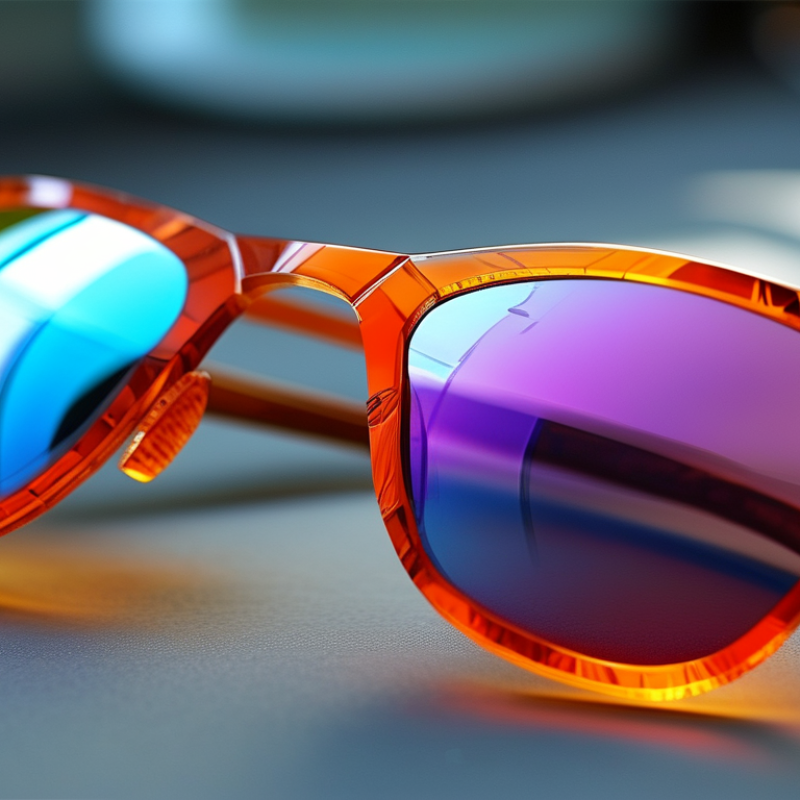
Transition lenses, also known as photochromic lenses, play a crucial role in modern eyewear. These lenses automatically darken in response to UV light and return to a clearer state indoors. According to research conducted by the Vision Council, about 32% of adults in the U.S. prefer photochromic lenses for their versatility. This data underscores their importance in offering convenience without compromising vision protection.
The significance of transition lenses extends beyond comfort. They provide essential UV protection, reducing harmful radiation exposure by up to 100%. A study by the American Optometric Association highlights how prolonged UV exposure can lead to eye health issues, including cataracts. Consumers increasingly value these protective features, influencing their eyewear choices.
Despite their benefits, transition lenses have limitations. They may not darken effectively inside vehicles with UV-protective windows. Additionally, some users report a slower response time to changing lighting conditions. As the technology evolves, addressing these shortcomings will be vital for enhancing user experience, ensuring that transition lenses meet ever-growing consumer expectations.
Key Features to Consider When Choosing Transition Lens Suppliers
When selecting transition lens suppliers in China, several key aspects deserve close attention. Quality control is paramount. Look for suppliers who adhere to international quality standards such as ISO 9001. Reports indicate that about 78% of lens manufacturing defects arise from inadequate quality assurance processes. Suppliers with robust testing protocols are more reliable.
Pricing must also be evaluated. Competitive pricing can be enticing, but there’s often a catch. Low price may indicate lower quality materials used. According to industry data, less than 30% of suppliers that offer significantly lower prices maintain acceptable quality levels. Paying attention to the cost-to-quality ratio is crucial.
Additionally, supplier reputation plays a crucial role. Conducting background checks and examining customer reviews can reveal a lot. Suppliers with high satisfaction levels tend to have more experience. Statistics show that around 65% of long-term suppliers receive better reviews for their products. Understanding these factors can aid buyers in making informed decisions when sourcing transition lenses.
Top 10 Transition Lens Suppliers in China for Global Buyers
The eyewear industry in China has grown significantly in recent years. This growth is driven by an increasing demand for transition lenses, which serve a dual purpose: they adapt to varying light conditions. According to a recent market report, the global transition lens market is projected to reach $10 billion by 2025. This statistic highlights the robust potential for growth in this segment. Many suppliers in China have positioned themselves as notable players for international buyers.
Key suppliers are investing in advanced technology to enhance lens performance and durability. Innovations in photochromic technology allow lenses to change quickly in response to light. A survey indicated that 70% of eyewear consumers prefer adaptive lenses for their convenience. However, challenges remain. Some suppliers struggle with quality control, impacting product reliability. Buyers need to assess suppliers thoroughly. Understanding a supplier’s production capabilities is crucial for ensuring consistent product quality.
Reports also show that while the production costs are lower in China, the market demands high standards. This creates a gap between price and quality. Suppliers must strive to bridge this gap to compete globally. Transparency in supply chains and manufacturing processes is essential for establishing trust. This is especially important for international business relationships. As the market continues to evolve, selecting a reliable supplier becomes increasingly vital for global buyers.
Comparative Analysis of Supplier Offerings and Product Quality
Transition lenses are gaining popularity for their versatility. They adapt to changing light conditions, providing comfort and protection. A comparative analysis reveals distinct differences among suppliers. Some focus on innovative technology, while others prioritize affordability.
Evaluating product quality is essential. High-quality lenses should offer excellent UV protection and durability. Some suppliers may have lower prices but compromise on essential features. Therefore, understanding what each supplier offers is crucial for making informed decisions. Researching user reviews can also provide valuable insights into performance.
Consider testing samples before committing. This allows you to assess clarity and comfort. Not all lenses perform the same in different environments. It’s important to reflect on your specific needs and usage patterns. Finding the right supplier often requires time and consideration.
China Top 10 Transition Lens Suppliers for Global Buyers
| Supplier |
Product Quality |
Price Range (USD) |
Lead Time (Days) |
Customer Rating (Out of 5) |
| Supplier A |
High |
$30 - $50 |
10 |
4.7 |
| Supplier B |
Medium |
$20 - $40 |
15 |
4.3 |
| Supplier C |
High |
$35 - $55 |
12 |
4.6 |
| Supplier D |
Low |
$15 - $25 |
20 |
3.9 |
| Supplier E |
Medium |
$25 - $45 |
18 |
4.1 |
| Supplier F |
High |
$40 - $60 |
8 |
4.8 |
| Supplier G |
Medium |
$18 - $38 |
16 |
4.0 |
| Supplier H |
High |
$45 - $65 |
7 |
4.9 |
| Supplier I |
Low |
$10 - $20 |
22 |
3.5 |
| Supplier J |
Medium |
$28 - $48 |
14 |
4.4 |
Future Trends in Transition Lens Technology and Supplier Landscape
The landscape of transition lens technology is evolving rapidly. In recent industry reports, the global transition lens market is projected to grow at a compound annual growth rate (CAGR) of 6% from 2023 to 2028. This growth is driven by increased awareness of eye health and advancements in lens materials. The demand for high-quality, adaptive lenses is compelling suppliers to innovate consistently.
As transition lenses become more advanced, future trends include the integration of smart technology. These smart lenses may include features like automatic tint adjustment based on UV exposure and built-in blue light filtering. Reports indicate that nearly 30% of consumers prioritize lens functionality alongside aesthetics. However, the challenge lies in balancing cost and performance. High-tech solutions often come at a premium, making them less accessible for some consumers.
Understanding the transition lens market involves recognizing consumer preferences. A recent survey revealed that 70% of consumers seek lenses with enhanced durability and scratch resistance. Suppliers must reflect on how to meet these demands while maintaining product quality. Engaging with customers and incorporating their feedback can drive innovation.
It's crucial for suppliers to stay informed about industry developments. Joining relevant forums and connecting with eyewear professionals is one effective way to gain insights. Innovative thinking and adaptability will be vital in navigating the future of transition lenses.
Global Transition Lens Suppliers Market Analysis