How to Choose the Best Transition Lenses for Your Needs?
Choosing the right Transition Lens can significantly enhance your visual experience. These lenses adapt to changing light conditions, providing comfort and protection. However, selecting the best ones for your needs requires careful consideration.
Consider factors like your lifestyle and occupation. Do you spend a lot of time outdoors? Are you frequently transitioning between indoor and outdoor environments? Each situation demands different features in a Transition Lens. The options might seem overwhelming at first, but understanding your specific requirements can make the decision easier.
Many users find their first choices don’t always meet their expectations. It’s essential to take time to reflect on your daily habits and preferences. Try different lenses and pay attention to how they perform in various lighting situations. This hands-on experience will help you make a more informed choice.
Factors to Consider When Choosing Transition Lenses
When selecting transition lenses, several key factors should influence your decision. First, consider the lens material. High-index plastic lenses are lighter and thinner for stronger prescriptions. According to a report by Vision Council, 33% of lens wearers prioritize comfort, making material choice crucial.
Transition speed is another important aspect. Some lenses activate quickly in sunlight, while others may take longer. The American Academy of Ophthalmology found that 40% of users experienced dissatisfaction due to slow adjustments. A lens that aligns with your daily outdoor activities can greatly enhance your visual experience.
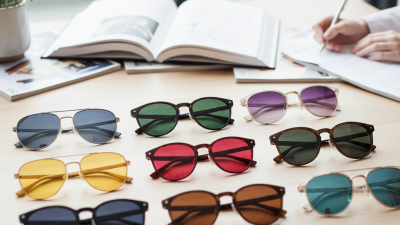
UV protection is non-negotiable. Ensure your lenses block 100% of UVA and UVB rays. Research shows that prolonged UV exposure can result in significant long-term eye damage. It’s also vital to assess lens color options. Grey or brown lenses often improve contrast and reduce glare, while yellow enhances depth perception in low light. User feedback emphasizes the importance of personal preference in color choice.
Types of Transition Lenses Available on the Market
When selecting transition lenses, understanding the types available can greatly improve your experience. Transition lenses adjust to light conditions, providing convenience for many users. There are three main types: standard, photochromic, and polarized.
Standard transition lenses darken outdoors but may not provide sufficient protection against glare. They’re best for those who seek basic UV protection. Photochromic lenses adapt more rapidly to changing light. This makes them a great choice for those moving in and out of sunlight frequently. They may not darken as much in cars due to the film on windshields, which is a consideration for many.
Polarized transition lenses combine dusk adaptation and glare reduction. This dual feature benefits outdoor enthusiasts and drivers alike. However, some users may find that these lenses distort the visibility of digital screens. Evaluating how you plan to use your lenses is key. Think about your daily activities and light exposure to make the best choice. Each type has strengths and weaknesses that might not suit everyone. So, weigh your options carefully before deciding.
How to Choose the Best Transition Lenses for Your Needs?
| Type of Transition Lens |
Light Conditions |
Photochromic Speed |
UV Protection |
Color Options |
| Standard Transition Lenses |
Indoor and outdoor |
Moderate |
Yes |
Grey, Brown |
| Active Transition Lenses |
Bright sunlight |
Fast |
Yes |
Grey, Brown, Green |
| Extra Active Transition Lenses |
Extreme bright conditions |
Very fast |
Yes |
Grey, Brown, Amber |
| Polarized Transition Lenses |
Outdoor with glare |
Moderate |
Yes |
Grey, Brown |
| Photochromic Lenses for Driving |
Driving conditions |
Fast |
Yes |
Grey, Brown, Yellow |
Understanding the UV Protection Offered by Transition Lenses
When choosing transition lenses, understanding their UV protection is essential. Transition lenses adjust to light exposure. They darken in bright conditions and become clear indoors. This adaptability offers convenience, but the UV protection varies among brands, making research crucial.
Data from the American Optometric Association (AOA) indicates that UV radiation is harmful to the eyes. Long-term exposure can lead to cataracts and macular degeneration. Many transition lenses provide over 99% UV protection. However, not all lenses block UVA and UVB rays effectively. Look for lenses with 400 nm UV protection for optimal safety.
Experts suggest consulting an eye care professional. They can recommend lenses tailored to your lifestyle. Casual outdoor activity may need different protection than extensive sun exposure. Remember, while transition lenses offer benefits, not all lenses are created equal. Ensure the choices meet your specific UV protection needs.
Understanding UV Protection Offered by Transition Lenses
Evaluating Lens Comfort and Adaptation Speed for Your Lifestyle
Choosing the right transition lenses can greatly impact your daily comfort and eye health. When evaluating lens comfort, think about how often you move between indoor and outdoor environments. Adaptation speed is crucial for transitions, as some lenses take longer to adjust to brightness changes, which can be distracting. If you frequently shift between activities, such as driving and reading, look for lenses that adapt quickly.
Most users report a variable experience with adaptation. Some struggle initially, feeling discomfort while waiting for lenses to adjust. Others might find that certain lighting conditions create glare, even after adjustment. Being aware of these factors can help you make an informed decision. Consider seeking expert opinions or user testimonials. Engaging with individuals who wear transition lenses may provide realistic insights. Remember, comfort is subjective, and your personal preferences will ultimately guide you. Pay attention to how your lifestyle influences your lens choice.
Assessing Prescription Requirements for Transition Lenses
When considering transition lenses, start with your prescription needs. Not all prescriptions are equal. Some require specific adjustments. It is crucial to consult an eye care professional. They can help determine if transition lenses suit your Rx.
Take time to examine your lifestyle. Do you work outdoors often? How sensitive are your eyes to light? These factors can greatly influence your choice. Transition lenses vary in photochromic response. Not all are ideal for every environment. Understand that personal preference matters too. You may find certain lenses more comfortable than others.
Additionally, explore the visual clarity aspect. Transition lenses can affect peripheral vision. Some users report distortions or color changes. While this isn't universal, it's worth noting. Always test before making a final decision. It’s an investment in your eye health. Take your time to ensure you’re making the best choice.