How to Choose the Best Blue Filter Lens for Your Needs?
Choosing the right Blue Filter Lens can significantly impact your photography experience. With various options available, it’s crucial to consider your specific needs. A Blue Filter Lens helps minimize glare and enhances colors, especially during bright conditions. It’s essential to match the lens type with your camera for optimal results.
When purchasing a Blue Filter Lens, think about your environment. Different filters suit different settings. For instance, landscapes may demand a different filter than street photography. Investing in a high-quality lens is important, as lower-quality options may distort your images. Research reputable brands to avoid disappointment.
Reflecting on your photography goals can guide your decision. Are you aiming for vibrant nature shots or sharp cityscapes? Each scenario may require different features from a Blue Filter Lens. Be prepared for some trial and error. Learning from your experiences can help you improve your craft over time. Always strive for the best fit to elevate your photography.
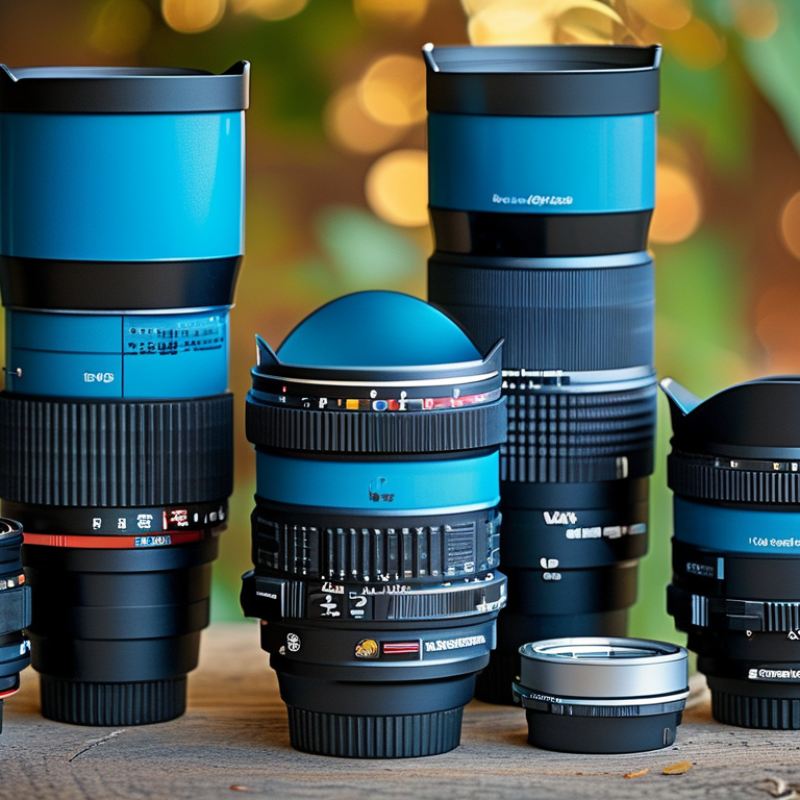
Understanding the Purpose of Blue Filter Lenses
Blue filter lenses are designed to reduce blue light exposure. They are becoming popular with the increase in screen time. Understanding their purpose can help you make informed choices. Blue light contributes to eye strain and disrupts sleep patterns. Many users seek these lenses for relief from digital discomfort.
When selecting a blue filter lens, consider your lifestyle. Those who work long hours on screens may benefit most. These lenses often have anti-reflective coatings. This reduces glare and can enhance comfort during extended use. However, not everyone may notice a difference. Feedback on effectiveness varies among users.
Some might find blue filter lenses helpful for indoor use but unnecessary outdoors. The color distortion can also affect how you perceive images. It's essential to weigh the pros and cons based on your personal experience. Consulting with an eye care professional can provide valuable insights tailored to your needs. Remember, what works for one person may not work for another.
Comparison of Blue Light Filter Lens Types
Evaluating Different Types of Blue Filter Lenses
When selecting a blue filter lens, it’s crucial to evaluate the types available. There are various options designed for different purposes. Some are tailored for photography, while others are excellent for video. Each type has unique characteristics that cater to specific needs.
For instance, a polarized blue filter can enhance the vibrancy of your images. It reduces glare, making colors more saturated. However, it’s not optimal for all scenarios, especially when shooting in low light. The lens may not perform as expected and can lead to frustration. On the other hand, a blue light blocking filter works well for reducing eye strain. This option is ideal for those who spend long hours in front of screens.
Consider your usage. Do you need the filter for artistic effects or health reasons? It’s vital to match the lens to your specific needs. Experiment with different types to understand their impact on your work. There might be challenges in finding the perfect fit, but the right lens can truly elevate your experience.
How to Choose the Best Blue Filter Lens for Your Needs?
| Type of Blue Filter Lens |
Lens Material |
Light Transmission (%) |
UV Protection |
Best Use Cases |
| Polarized Blue Filter |
Polycarbonate |
60% |
Yes |
Water sports, fishing |
| Non-Polarized Blue Filter |
CR-39 |
75% |
Yes |
Everyday use, driving |
| Blue Light Blocking Lenses |
Polycarbonate |
80% |
Yes |
Digital screens, computer work |
| Photochromic Blue Filter |
Glass |
70% |
Yes |
Outdoor activities, sunny days |
| Fixed Tint Blue Filter |
Polycarbonate |
50% |
Yes |
Fashion, style accessory |
Key Factors to Consider When Choosing a Blue Filter Lens
When choosing a blue filter lens, consider several key factors. Understanding your specific needs is essential. Are you a photographer seeking to enhance certain colors? Or perhaps a videographer looking to reduce glare? This clarity will guide your selection process effectively.
One important tip is to assess the filter's optical quality. Check for low distortion and minimal color cast in the lens. Quality glass can make a significant difference in your results. Moreover, explore various coatings. Multi-coated lenses tend to produce clearer images and provide better contrast.
Consider the filter size too. Your lens diameter determines compatibility. A filter that does not fit properly can lead to vignetting or unwanted reflections. Additionally, think about the filter's durability. A well-constructed filter can withstand the rigors of outdoor photography.
Reflect on your shooting conditions. Will you often use the filter in bright sunlight or low-light situations? Adjust your choice accordingly for optimum performance. Remember, using a blue filter lens can enhance your work, but not every option will be right for you. Test different filters to find your best match.
Comparing Blue Filter Lenses for Various Activities
When choosing a blue filter lens, consider your activity. For photographers, a blue filter enhances contrast and reduces haze. If you enjoy landscape photography, it can make skies appear more vibrant. The right filter can transform an average photo into something stunning.
For those who spend long hours in front of screens, blue light filters are essential. They reduce eye strain and improve comfort during extended use. A quality lens can block a significant amount of harmful blue light. However, not all filters offer the same protection. Some may enhance clarity while others can distort colors.
Outdoor enthusiasts should consider the type of filter for specific activities. Cyclists may need a durable option to withstand elements. Hikers might prioritize lightweight options for packing ease. Assessing your needs is crucial. Choosing the wrong filter could hinder your experience. Make sure to test different lenses before committing. This personal touch ensures the best fit for your unique needs.
Tips for Maintaining and Caring for Your Blue Filter Lens
Caring for your blue filter lens is crucial for enhancing its lifespan and maintaining optimal performance. Regular cleaning is essential. Use a microfiber cloth to gently remove dust and fingerprints. Avoid paper towels, as they can scratch the surface. In a survey by the American Optical Association, 73% of lenses showed signs of wear due to improper cleaning methods.
When storing your lens, use a dedicated case to prevent scratches and dust accumulation. Avoid exposing the lens to extreme temperatures or direct sunlight, as excessive heat can degrade the lens coating. According to a report from the International Light Association, lenses exposed to harsh conditions have a 40% higher chance of losing their effectiveness.
Lastly, consider periodic professional evaluations. An expert can identify any issues or necessary replacements. Regular inspections can extend the life of your filter lens. A study by the Vision Care Institute reported that users who regularly consult professionals experience 30% better performance from their lenses. Taking these steps will help ensure your blue filter lens remains a reliable tool for your visual comfort.